
A tooth infection rarely stays exactly where it starts. What begins as a small cavity or untreated dental problem can gradually move into nearby tissu
A tooth infection rarely stays exactly where it starts. What begins as a small cavity or untreated dental problem can gradually move into nearby tissues if left untreated. That possibility is what makes many people ask an important question: how long until a tooth infection spreads?.
The answer is not always straightforward. Some infections remain localized for weeks or even months, while others progress much faster. The timeline depends on factors such as the severity of the infection, overall health, immune system function, and whether any treatment has been received.
What matters most is understanding that bacterial infections generally do not disappear on their own. Insteada,d they tend to follow a path of progression. Recognizing the stages of that progression allows people to seek treatment before the infection affects larger areas of the mouth and body.
Early action often prevents the complications that make dental infections truly dangerous.
How A Tooth Infection Usually Begins
Most tooth infections start with a problem that seems relatively minor. A small cavity, a cracked tooth, or gum disease can create an opening that allows bacteria to enter deeper structures.
Inside the tooth lies the pulp,p which contains nerves, es blood vessels,s and connective tissue. Once bacteria reach this area, they begin multiplying rapidly. The body responds by triggering inflammation and sending immune cells to fight the infection.
At first, symptoms may be subtle. Mild sensitivity,y occasional discomfort, rt or slight tenderness while chewing are common early signs. Because these symptoms are often manageable, many people delay seeking treatment.
Unfortunately, bacteria continue reproducing beneath the surface even when symptoms appear mild. What seems like a small issue can quietly progress into a much larger problem over time.
This early stage represents the best opportunity for simple and effective treatment.
How Long Until A Tooth Infection Starts Spreading
There is no exact timeline that applies to every patient. Some infections spread within days,s while others remain confined for extended periods.
The rate of progression depends on several factors. A strong immune system may slow bacterial spread, but certain medical conditions can accelerate it. The location of the infection and the type of bacteria involved also influence how quickly it advances.
In many cases,s the infection begins spreading once bacteria break through the natural barriers surrounding the tooth. At that point, nearby gum, bone, and soft tissues may become involved.
One reason dental professionals encourage early treatment is that predicting progression is difficult. A tooth infection that seems stable today may worsen rapidly tomorrow.
Rather than relying on a specific timeline, patients should monitor symptoms carefully and seek evaluation when infection is suspected.
The First Areas A Tooth Infection Usually Reaches
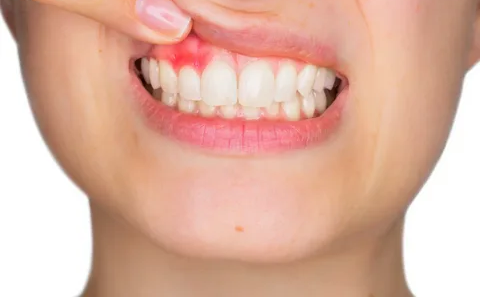
When an infection extends beyond the tooth,h it often affects the surrounding gum tissue first. Swelli, redness,s and tenderness may become increasingly noticeable around the infected area.
From there, bacteria can spread into nearby bone structures. The jawbone provides support for the teeth, but can also become involved when infections are left untreated.
Some patients notice swelling along the jawline or cheek. Others experience increasing pressure and discomfort that feels different from the original tooth pain.
At this stage, many people realize the problem is no longer limited to a single tooth. The infection begins to affect larger areas of the mouth and face.
Although this progression can sound alarming, it is important to remember that treatment remains highly effective when intervention occurs promptly.
Warning Signs That The Infection May Be Spreading
The body often provides clues that a tooth infection is becoming more serious. Recognizing these symptoms can help prevent complications.
Increasing pain is one of the most common warning signs. Pain that becomes stronger, more frequent, or harder to manage deserves attention.
Swelling is another important indicator. Facial swelling, especially around the cheek,s jaw, or gums, often suggests that infection is extending beyond its original location.
Fever may develop as the immune system works to fight bacteria. Some individuals also experience fatigue, swollen lymph nodes,s or a general feeling of illness.
Changes in swallowing or speaking should never be ignored. These symptoms may indicate deeper tissue involvement.
The key pattern to watch for is progression. Symptoms that steadily worsen usually signal that the infection is continuing to spread.
Why Some Infections Spread Faster Than Others
Not all dental infections behave the same way. Two people with seemingly similar symptoms can experience very different outcomes.
Immune system health plays a major role. Individuals with diabetes, an immune disorder,s or certain chronic illnesses may have greater difficulty controlling bacterial growth.
Smoking can also contribute to faster progression by affecting circulation and healing capacity. Poor oral hygiene may provide bacteria with additional opportunities to multiply.
Age is another factor. Older adults sometimes experience more severe complications due to underlying health conditions.
Even stress can influence the immune system’s performance. While stress alone does not cause infection, ns it may affect the body’s ability to respond effectively.
These variables help explain why there is no universal answer to how quickly a tooth infection spreads.
Can A Tooth Infection Spread To Other Parts Of The Body
One of the biggest concerns surrounding dental infections is the possibility of systemic spread. Although uncommon, when treatment is obtained early,y this risk becomes more significant as infections advance.
The mouth contains extensive networks of blood vessels and tissues that connect to the rest of the body. If bacteria gain access to the bloodstream, they can travel beyond the original infection site.
This can trigger widespread inflammation and potentially serious health complications. Conditions such as sepsis represent the most severe examples of systemic infection.
Fortunately,y these outcomes are relatively rare in people who seek timely dental care. Modern treatment methods are highly effective at stopping bacterial spread before it reaches this stage.
The possibility of systemic involvement is one reason dental professionals take infections seriously, ly regardless of their initial size.
A Real Life Example Of Infection Progression
A college student noticed mild sensitivity in a back molar while eating ice cream. Since the discomfort disappeared quickly, there seemed to be little reason for concern.
Over the following month,s occasional sensitivity became a persistent ache. The student remained busy with classes and postponed a dental appointment.
Eventually, swelling developed near the gumline. Shortly after the war,d a low-grade fever appeared, and chewing became increasingly uncomfortable.
When treatment was finally sought, the dentist diagnosed an advanced infection that had spread beyond the tooth into surrounding tissues.
Fortunately, our recovery was successful. However, the experience demonstrated how gradually infections can progress when early warning signs are ignored.
Many patients follow a similar path before realizing the seriousness of the problem.
How Dentists Stop An Infection From Spreading
Dental treatment focuses on eliminating the source of infection before it reaches additional tissues. The specific approach depends on the severity of the problem.
Root canal therapy is often used when the tooth can still be preserved. This procedure removes infected tissue from inside the tooth and prevents further bacterial growth.
Drainage may be necessary if an abscess has formed. Removing accumulated pus helps reduce pressure and infection levels.
In some situations, extraction becomes the best option. Removing the affected tooth eliminates the source of bacteria and allows healing to begin.
Antibiotics are frequently prescribed when swelling or signs of spreading infection are present. However, they work best when combined with definitive dental treatment.
Prompt care dramatically reduces the likelihood of continued progression.
How To Prevent A Tooth Infection From Spreading
The most effective way to stop a tooth infection from spreading is to address it early. Prevention begins with good oral hygiene habits.
Brushing twice daily helps remove plaque and bacteria. Flossing cleans areas that toothbrushes often cannot reach. Routine dental visits allow small problems to be identified before they become serious.
Prompt treatment of cavities,s cracked teeth,th and gum disease also reduces risk. Minor issues are far easier to manage than advanced infections.
Healthy lifestyle habits support prevention as well. Proper nutrition, hydration,n and avoiding tobacco products all contribute to better oral health.
Preventive care may seem simple, but it remains one of the most powerful tools for avoiding serious dental complications.
Conclusion
So how long until a tooth infection spreads? The truth is that no single timeline applies to everyone. Some infections remain localized for a period of time,e while others progress quickly depending on individual circumstances.
What remains consistent is that untreated infections tend to worsen rather than improve. Increasing pain, swelling, fever, er and signs of illness often indicate progression beyond the original tooth.
The encouraging news is that modern dental treatments can stop infections effectively when care is sought promptly. Paying attention to early symptoms and acting quickly remains the best strategy for protecting both oral health and overall well-being.
FAQs
How can I tell if a tooth infection is spreading?
Increasing swelling feverv, fever, worsening pain, swollen lymph nodes, and facial tenderness may indicate that the infection is spreading.
Can a tooth infection spread overnight?
While major spread overnight is uncommon, symptoms can worsen rapidly,y and significant swelling may develop within a short period.
Does every tooth infection spread?
Not every infection spreads immediately,y but untreated infections generally become more severe over time.
Can antibiotics stop a tooth infection from spreading?
Antibiotics can help control bacterial growth, but the underlying dental problem often requires additional treatment.
What should I do if I think my tooth infection is spreading?
Seek prompt dental evaluation, especially if symptoms are worsening or new signs such as swelling or fever develop.
