
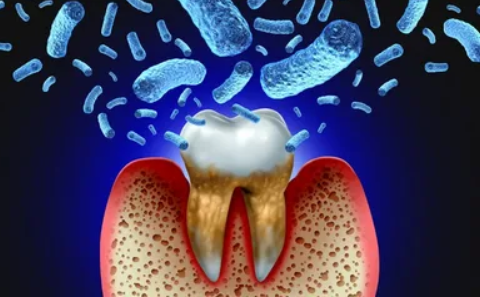
A tooth infection can turn an ordinary day into a miserable experience. The pain can be constant, the swelling uncomfortable,e and even simple activit
A tooth infection can turn an ordinary day into a miserable experience. The pain can be constant, the swelling uncomfortable,e and even simple activities like eating or talking may become difficult. When symptoms start getting worse, many people immediately wonder whether antibiotics are the answer.
Antibiotics for tooth infection are commonly prescribed in certain situations and can play a major role in controlling bacterial growth. However,r there is a widespread misconception that antibiotics alone permanently solve every dental infection.
The reality is more complex. While antibiotics can help reduce infection and prevent it from spreading, they are often only one part of the treatment process. Understanding when antibiotics are necessary, how they work, and what their limitations are can help patients make informed decisions about their oral health.
Knowing the facts may also prevent delays that could allow the infection to become more serious.
What Causes A Tooth Infection
A tooth infection develops when bacteria enter areas of the tooth that are normally protected. Cavities are one of the most common causes because they create openings through which bacteria can reach deeper structures.
Cracked teeth can also provide access for harmful microorganisms. In some cases, advanced gum disease allows bacteria to invade surrounding tissues and eventually affect the tooth itself.
Once bacteria reach the pulp inside the tooth,h they begin multiplying rapidly. The pulp contains nerves, es blood vessels, and connective tissue, making it an ideal environment for infection to develop.
The body responds by launching an immune defense,e which often results in inflammation, swelling, and pain. If the infection continues unchecked, an abscess may form.
At that stage, the treatment becomes increasingly important because the infection can spread into nearby tissues.
When Are Antibiotics Needed For A Tooth Infection
Many people are surprised to learn that antibiotics are not required for every dental infection. Dentists prescribe them based on the severity and location of the problem.
If an infection remains localized inside the tooth, a procedure such as a root canal or extraction may be sufficient. In these situations,s removing the source of infection often provides the best solution.
Antibiotics become more important when swelling extends beyond the tooth or when signs of spreading infection are present. Fever, red facial swelling, ng, and swollen lymph nodes are common examples.
Patients with weakened immune systems may also require antibiotics more frequently because their bodies may struggle to control bacterial growth independently.
The decision depends on professional evaluation rather than symptoms alone. Proper diagnosis helps ensure treatment is both effective and appropriate.
Common Antibiotics Used For Tooth Infections
Dentists have several antibiotic options available depending on the patient’s condition and medical history.
Amoxicillin is among the most frequently prescribed antibiotics for dental infections. It is effective against many of the bacteria commonly found in oral infections.
For patients with penicillin allergies, alternative medications may be recommended. These alternatives vary depending on individual needs and the nature of the infection.
Sometimes dentists prescribe a combination of antibiotics when broader bacterial coverage is necessary. The choice depends on symptom severity,y infection location, and previous treatment history.
Each medication works differently and must be taken exactly as directed. Stopping treatment too early can reduce effectiveness and increase the likelihood of recurring infection.
The goal is not simply symptom relief but proper infection control.
How Long Do Antibiotics Take To Work
One of the most common questions patients ask is how quickly they will feel better after starting antibiotics.
Many individuals begin noticing improvement within forty-eight to seventy-two hours. Swelling may gradually decrease, and pain often becomes more manageable during this period.
However,r immediate relief should not be expected. Antibiotics need time to reduce bacterial activity and allow the body’s immune system to regain control.
Severe infections may take longer to respond. In some cases, es additional dental procedures are necessary before symptoms improve significantly.
It is important to continue taking the medication for the full prescribed duration even if symptoms seem to disappear. Ending treatment early can leave surviving bacteria behind and increase the risk of recurrence.
Patience and adherence to instructions are essential for successful recovery.
Why Antibiotics Alone Often Are Not Enough
A common misunderstanding is that antibiotics permanently cure every tooth infection. While medication can control bacteria, it does not always remove the source of the problem.
Imagine discovering mold growing inside a wall. Spraying the visible area may help temporarily,y but the underlying moisture problem remains. Tooth infections behave in a similar way.
If infected tissue remains inside the tooth, bacteria can return once the antibiotic course ends. This is why dentists frequently combine medication with procedures such as root canal therapy, abscess drainage, or tooth extraction.
Antibiotics are often a valuable support tool rather than a complete solution.
Addressing the source of infection provides the best chance of long-term success and helps prevent future complications.
Possible Side Effects Of Tooth Infection Antibiotics
Like all medications, antibiotics can cause side effects. Fortunately,y most people tolerate them well when used appropriately.
Digestive issues are among the most common complaints. Some patients experience nausea, ea mild stomach discomfort, or diarrhea during treatment.
Allergic reactions are less common but can occur. Symptoms such as rash, itching,g swelling, or breathing difficulties require immediate medical attention.
Certain antibiotics may interact with other medications,s which is why patients should inform healthcare providers about all medicines they currently use. Taking antibiotics exactly as prescribed helps minimize risks and improve effectiveness.
Understanding potential side effects allows patients to recognize unusual reactions and seek guidance when necessary.
A Patient Story About Delaying Treatment
A man in his early forties developed a painful toothache and noticed mild swelling near one molar. Hoping to avoid a dental appointment, he searched online for home remedies and temporary solutions.
The discomfort continued worsening over the next week. Eventually, facial swelling became noticeable,e and he visited a dentist . After examining,n the dentist prescribed antibiotics and recommended root canal treatment. Within several days, the swelling improved significantly,y but the dentist explained that medication alone would not solve the underlying problem.
The root canal removed the infected tissue and preserved the tooth. Looking back,ck the patient admitted he had underestimated the seriousness of the infection.
His experience highlights why antibiotics should be viewed as part of a complete treatment plan rather than a standalone cure.
How To Support Recovery While Taking Antibiotics
Proper self-care can support recovery and improve treatment outcomes. Following medication instructions carefully is the priority.
Maintaining good oral hygiene helps reduce bacterial buildup around the affected area. Gentle brushing and flossing should continue unless otherwise directed by a dentist.
Drinking plenty of water supports overall health and may help reduce dry mouth. Soft foods can make eating more comfortable when swelling or pain is present.
Adequate rest also plays an important role because the immune system functions best when the body is well rested.
Patients should monitor symptoms closely. If swelling increases, fever develops, or symptoms worsen despite treatment,t professional reevaluation may be necessary.
Recovery is often smoother when medication and healthy habits work together.
Preventing Future Tooth Infections
The best antibiotic is often the one that never becomes necessary. Preventive dental care remains one of the most effective ways to avoid infections.
Brushing twice daily with fluoride toothpaste helps remove plaque and reduce cavity formation. Flossing reaches areas that toothbrushes cannot clean effectively.
Routine dental checkups allow small problems to be identified before they progress into painful infections. Early treatment is generally simpler and less expensive.
Diet matters as well. Limiting sugary foods and beverages reduces bacterial activity that contributes to decay.
Healthy habits performed consistently create strong protection against future dental problems and reduce the likelihood of needing antibiotics.
Conclusion
Antibiotics for tooth infection can be highly effective when used appropriately. They help control bacterial growth,th reduce swelling, and prevent infections from spreading to other areas.
However, antibiotics are often only part of the solution. Lasting treatment usually requires addressing the source of infection through professional dental care.
Patients who seek treatment early generally experience faster recovery and lower complication risks. Ignoring symptoms or relying solely on medication can allow problems to return.
When used alongside proper dental treatment, antibiotics remain one of the most valuable tools for managing tooth infections safely and effectively.
FAQs
What is the most commonly prescribed antibiotic for a tooth infection?
Amoxicillin is one of the most frequently prescribed antibiotics because it is effective against many oral bacteria.
How long should I take antibiotics for a tooth infection?
The duration depends on the prescription provided by the dentist. It is important to complete the full course even if symptoms improve.
Can antibiotics stop tooth pain immediately?
Antibiotics do not provide instant pain relief. Improvement often begins within two to three days as the infection starts coming under control.
What happens if antibiotics do not work?
Persistent symptoms may indicate that additional dental treatment,t such as drainage,ge root canal therapy,y or extraction, is required.
Can I prevent needing antibiotics for a tooth infection?
Good oral hygiene routine, dental visits, and prompt treatment of cavities and gum disease can significantly reduce the risk of infection.
