
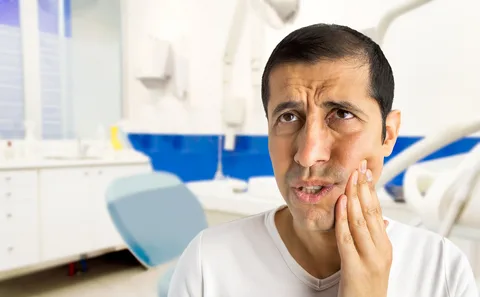
A toothache is not easy to dismiss. Many people assume the pain will fade after a good night's sleep or a few over-the-counter painkillers. Unfortunat
A toothache is not easy to dismiss. Many people assume the pain will fade after a good night’s sleep or a few over-the-counter painkillers. Unfortunately, that is not always how dental infections work. What begins as a small cavity or an untreated gum problem can sometimes develop into a serious infection that affects far more than just the mouth.
The question of how long until a tooth infection kills you sounds alarming, but it reflects a genuine concern. While most tooth infections do not become fatal when treated promptly, ignoring an infection for weeks or months can allow harmful bacteria to spread into surrounding tissues and, in rare cases, into the bloodstream.
The good news is that severe complications are largely preventable. Understanding the warning signs, progression, and treatment options can help people take action before a dental issue turns into a medical emergency.
What Is A Tooth Infection And Why Does It Happen
A tooth infection occurs when bacteria enter the inner layers of a tooth. This often happens because of untreated cavities, cracked teeth, damaged fillings, or advanced gum disease. Once bacteria reach the pulp inside the tooth,h they begin multiplying and creating an infection.
The body responds by sending immune cells to fight the bacteria. As a result, pus may develop, leading to what dentists call a dental abscess. This pocket of infection can cause intense pain, swelling,g and pressure around the affected area.
Many people are surprised to learn that a tooth infection rarely stays confined to one tooth forever. Without treatment, bacteria can spread into the jawbone, gum,s facial tissue, es and even other parts of the body. That is why dentists treat dental abscesses seriously, even when symptoms initially seem manageable. The longer the infection remains untreated, the greater the risk of complications becomes.
How Long Until A Tooth Infection Kills You
There is no exact timeline because every infection behaves differently. Some infections remain localized for months, while others can spread rapidly within days. Factors such as immune system health, age, underlying medical conditions, and the severity of the infection all play a role.
In most cases, a tooth infection does not become fatal overnight. The process usually involves gradual progression. An untreated infection may start with mild discomfort, then develop into severe pain,n swelling, and tissue damage.
If bacteria enter deeper structures or the bloodstream, serious complications such as sepsis can occur. At that stage, the condition becomes a medical emergency requiring immediate treatment.
What makes tooth infections dangerous is not necessarily speed but unpredictability. A person may ignore symptoms for weeks and suddenly experience rapid swelling, fever, er difficulty swallowing, or breathing problems.
That is why experts recommend seeking dental care as soon as infection symptoms appear rather than waiting for them to worsen.
Signs That A Tooth Infection Is Becoming Dangerous
Not every tooth infection is life-threatening, but certain symptoms should never be ignored. These warning signs often indicate that the infection is spreading beyond the affected tooth.
Persistent throbbing pain is usually one of the earliest symptoms. Swelling in the gums, cheeks, or jaw often follows. Some individuals notice a bad taste in their mouth due to draining pus,s while others experience increased sensitivity to hot and cold foods.
More serious warning signs include fever, extreme fatigue, swollen lymph nodes, difficulty opening the mouth,h trouble swallowing, and facial swelling that continues to worsen.
Breathing difficulties require immediate emergency attention. If swelling begins affecting the airway, the situation can become dangerous very quickly.
A helpful rule is simple. If symptoms are getting worse instead of better, the infection is unlikely to resolve on its own, and professional treatment becomes necessary.
How A Tooth Infection Spreads Through The Body
Many people think of teeth as separate from overall health, but the mouth is connected to the rest of the body through blood vessels, nerves, and tissues.
When bacteria escape the infected tooth, they can travel into nearby structures. The infection may spread into the gums, jawbone, sinuses, or soft tissues of the face. In advanced cases, bacteria can enter the bloodstream.
Once bacteria reach the bloodstream, they can trigger widespread inflammation throughout the body. This condition, known as sepsis, is one of the most serious complications associated with untreated infections.
Imagine a small crack in a dam. At first, it appears harmless, but over time, pressure builds, and the damage expands. A tooth infection can behave similarly. What begins in a tiny area may eventually affect multiple systems if left untreated.
This progression explains why dentists emphasize early intervention rather than symptom management alone.
A Real World Example Of Why Early Treatment Matters
Consider a common scenario. A man notices a dull ache in one of his molars but decides to ignore it because work is busy and the pain seems manageable. Weeks pass, and the discomfort becomes more noticeable. He relies on pain medication and postpones a dental appointment.
One morning, he wakes up with a swollen cheek and a mild fever. Still assuming it will improve, he delays treatment again. A few days later, swallowing becomes painful and facial swelling increases dramatically.
At that point, he finally visits an emergency dentist. The infection has spread significantly and requires antibiotics along with a dental procedure.
This story mirrors situations dental professionals encounter regularly. Most severe complications develop not because treatment is unavailable but because warning signs are ignored for too long.
Risk Factors That Increase The Danger
Some individuals face a higher risk of serious complications from dental infections. People with weakened immune systems are particularly vulnerable because their bodies may struggle to control bacterial growth.
Diabetes is another important factor. Elevated blood sugar levels can impair healing and increase infection severity. Older adults may also experience more complications due to age-related health changes.
Smoking contributes to poor oral health and can delay recovery from infections. Individuals undergoing cancer treatment or taking immunosuppressive medications should be especially cautious about dental issues.
Poor oral hygiene also plays a significant role. Regular brushing, flossing, and dental checkups help identify problems before infections develop.
Although anyone can develop a dental abscess, certain health conditions can accelerate progression and increase the likelihood of severe outcomes.
When Should Someone Seek Emergency Care
Many dental problems can wait for a scheduled appointment, but some situations require immediate attention. Severe swelling around the face, neck, or jaw should never be ignored.
Difficulty breathing is one of the most serious warning signs. Likewise, trouble swallowing, excessive fever, confusion, or signs of dehydration warrant urgent medical evaluation.
People sometimes hesitate because they worry about overreacting. In reality, healthcare providers would rather evaluate a manageable infection than treat a life-threatening complication later.
If swelling appears to be spreading rapidly or symptoms are significantly worsening, emergency care is appropriate.
Quick treatment can stop bacterial spread, prevent hospitalization, and reduce the risk of serious health consequences.
How Dentists Treat A Tooth Infection
Treatment depends on the severity and location of the infection. In many cases, dentists drain the abscess to remove trapped pus and reduce pressure.
Root canal treatment is often recommended when the tooth can still be saved. During this procedure, infected tissue inside the tooth is removed, and the tooth is sealed to prevent reinfection.
Sometimes extraction becomes necessary if the damage is too extensive. Removing the source of infection often provides significant relief and prevents further spread.
Antibiotics may also be prescribed, especially when swelling or systemic symptoms are present. However, antibiotics alone are usually not enough. The underlying dental problem must also be addressed.
Prompt treatment not only relieves pain but also dramatically reduces the risk of serious complications.
Can A Tooth Infection Be Prevented
The vast majority of serious dental infections are preventable. Consistent oral hygiene remains one of the most effective defenses against bacterial growth.
Brushing twice daily, flossing regularly, and attending routine dental checkups help identify cavities and gum problems before they progress. Small issues are generally easier and less expensive to treat than advanced infections.
Limiting sugary foods and beverages can also reduce cavity formation. Drinking water throughout the day supports oral health by helping wash away bacteria and food particles.
Many people view dental visits as optional until pain develops. However, preventive care often prevents the very emergencies people hope to avoid.
A healthy mouth contributes directly to overall health and wellbeing.
Conclusion
So, how long until a tooth infection kills you? The honest answer is that there is no fixed timeline. Some infections progress slowly while others spread rapidly and create serious complications within days or weeks.
What matters most is recognizing symptoms early and seeking professional treatment. Severe pain, swelling, fever, difficulty swallowing, and breathing problems should never be ignored.
Modern dentistry offers effective treatments that can stop infections before they become dangerous. The greatest risk often comes not from the infection itself but from delaying care.
If a tooth infection is suspected, the safest approach is simple. Address it early. Waiting rarely improves the situation and can allow a preventable problem to become much more serious.
FAQs
Can a tooth infection go away without treatment?
A tooth infection rarely disappears on its own. Symptoms may temporarily improve, but the underlying infection usually remains and can worsen over time.
How quickly can a tooth abscess become dangerous?
Some abscesses remain localized for weeks, while others spread within days. Rapid swelling, fever, and difficulty swallowing require immediate medical attention.
What are the first signs of a spreading tooth infection?
Increasing pain, facial swelling, fever, swollen lymph nodes, and persistent fatigue are common warning signs that the infection may be spreading.
Can antibiotics cure a tooth infection permanently?
Antibiotics help control bacterial growth, but they do not remove the source of infection. Dental treatment is typically required for a permanent solution.
Is a tooth infection considered a medical emergency?
A simple tooth infection may not be an emergency, but symptoms such as breathing difficulties, severe swelling, or signs of sepsis require immediate emergency care.
