
Dry socket is one of the most painful complications that can occur after a tooth extraction. It happens when the protective blood clot that normally f
Dry socket is one of the most painful complications that can occur after a tooth extraction. It happens when the protective blood clot that normally forms in the socket is lost or fails to develop properly. Without this clot, the underlying bone and nerve endings are exposed, leading to severe, throbbing pain that can radiate to the jaw, ear, or side of the face.
Many people wonder whether dry socket can heal naturally without medical treatment. The answer is yes—the body is capable of healing it on its own—but the process can be slow and uncomfortable. Understanding how natural healing works and how to support it at home is important for a smoother recovery.
What Happens in a Dry Socket?
After a tooth extraction, the body normally forms a blood clot in the empty socket. This clot acts as a protective layer, allowing new tissue to grow underneath.
In a dry socket, this clot is lost too early or never forms properly. As a result, the bone and nerve endings remain exposed, causing significant pain and sensitivity. This condition is most common after wisdom tooth removal but can occur with any extraction.
Can Dry Socket Heal Naturally?
Yes, dry socket can heal naturally without medical treatment. The body will eventually regenerate soft tissue that covers the exposed bone. However, this healing process is slower than normal and often involves ongoing pain until the area begins to recover.
Natural healing depends on the body gradually forming new tissue from the surrounding gum. As this tissue grows, it slowly covers the socket and reduces sensitivity. While healing is possible without intervention, the discomfort can be significant during the process.
How Long Does Natural Healing Take?
On average, dry socket may take 7 to 14 days to heal naturally. Pain is usually most intense during the first few days after the condition develops and gradually improves as new tissue forms.
Some people may notice improvement within a week, while others may experience longer healing times depending on overall health, oral hygiene, and whether the area is kept protected from irritation.
Home Remedies to Support Natural Healing
Although dry socket requires time to heal, certain home care practices can help reduce discomfort and support the recovery process.
Keeping the mouth clean is very important, but it must be done gently. Rinsing with warm salt water can help remove debris and reduce irritation without disturbing the healing socket. It is important not to rinse too forcefully, as this can worsen the condition.
Maintaining hydration and eating soft foods also supports recovery. Foods such as soups, yogurt, mashed potatoes, and smoothies can provide nutrition without irritating the affected area. Avoiding hard, crunchy, or spicy foods helps prevent further pain.
Some people find relief by using warm compresses on the outside of the jaw. This can help reduce muscle tension and improve comfort, although it does not directly speed up healing.
What You Should Avoid During Healing
Certain habits can slow down recovery or make symptoms worse. Smoking is one of the biggest risk factors for dry socket and can significantly delay healing. Using straws, vigorous rinsing, or touching the socket with the tongue or fingers should also be avoided, as these actions can irritate the exposed area.
Alcohol and very hot foods or drinks may also increase discomfort and should be limited during the healing period.
Why Pain Happens in Dry Socket
The severe pain associated with dry socket occurs because the protective blood clot is missing, leaving nerve endings exposed. Even simple movements such as breathing through the mouth or eating can irritate the area.
As the body begins to form new tissue, these nerve endings gradually become protected again, which is when pain naturally starts to decrease.
When Natural Healing Is Not Enough
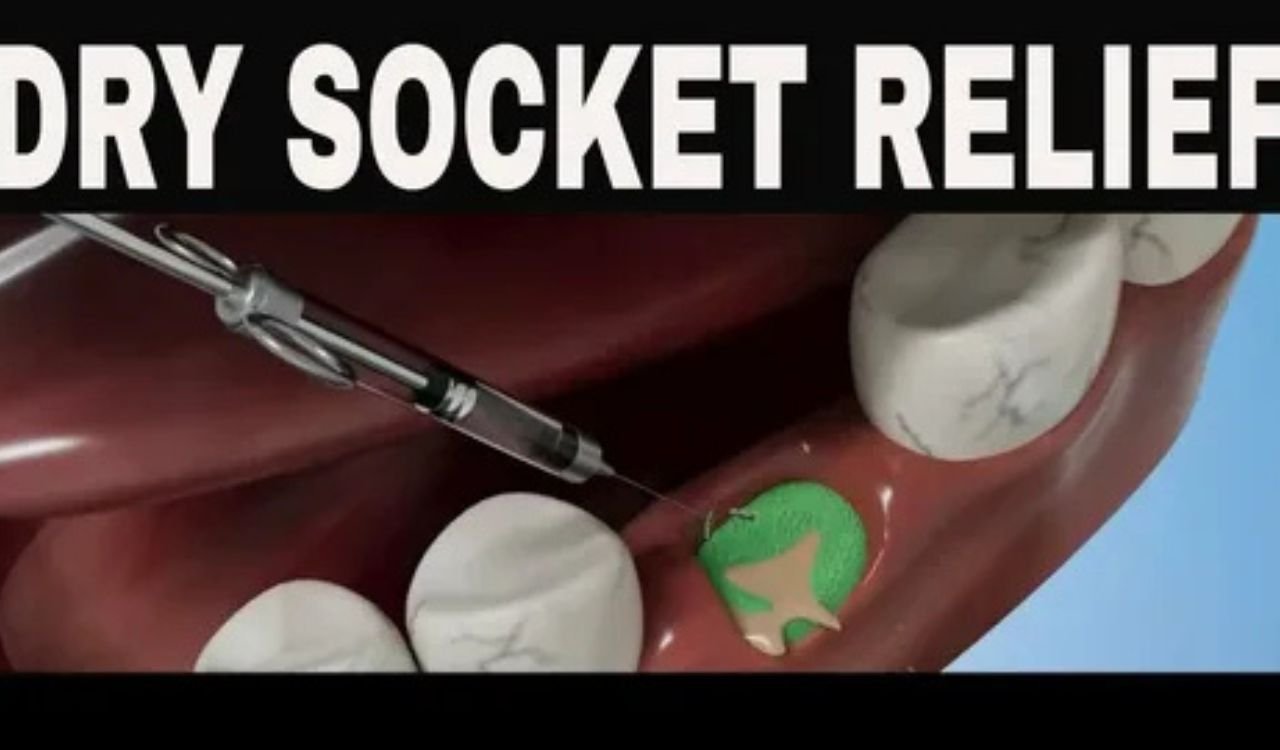
While dry socket can heal on its own, many cases benefit from dental treatment. A dentist can clean the socket and place a medicated dressing that provides immediate pain relief and helps protect the area.
If pain becomes severe or if symptoms do not improve after a few days, professional care is strongly recommended to prevent prolonged discomfort.
Conclusion
Dry socket can heal naturally as the body gradually regenerates tissue and covers the exposed bone. However, the process can take one to two weeks and may involve significant pain during recovery. While home care methods such as gentle rinsing, soft foods, hydration, and avoiding harmful habits can support healing, dental treatment is often the most effective way to reduce discomfort. With proper care, most cases resolve fully, and patients return to normal comfort within a short period.
FAQ
Can dry socket heal naturally without treatment?
Yes, dry socket can heal naturally as the body gradually forms new tissue over the exposed bone, but the process may be painful and slow.
How long does dry socket take to heal at home?
Natural healing usually takes around 7 to 14 days, depending on the individual’s health and how well the area is cared for.
What helps dry socket heal faster naturally?
Keeping the mouth clean, eating soft foods, staying hydrated, avoiding smoking, and following gentle oral hygiene practices can support healing.
Is it safe to treat dry socket at home only?
Mild cases may improve with home care, but severe pain or worsening symptoms should be evaluated by a dentist.
Does dry socket always require dental treatment?
Not always, but dental treatment is highly recommended to reduce pain and speed up recovery.
