
Have you ever looked at a hospital discharge summary or a doctor's note and spotted the abbreviation PNA? It's one of those medical shortcuts that ca
Have you ever looked at a hospital discharge summary or a doctor’s note and spotted the abbreviation PNA? It’s one of those medical shortcuts that can leave patients scratching their heads. While healthcare professionals use abbreviations every day to save time and simplify documentation, they can seem confusing to anyone outside the medical field.
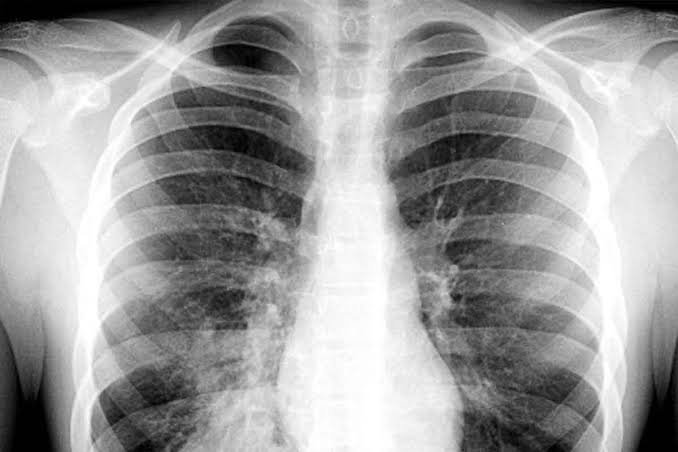
In most healthcare settings, the PNA medical abbreviation stands for pneumonia,a lung infection that causes inflammation in the air sacs (alveoli) of one or both lungs. These air sacs may fill with fluid or pus, making it harder to breathe and often causing symptoms such as coughing, fever, chills, and chest discomfort.
Understanding what this abbreviation means isn’t just about decoding medical jargon. It can help you better understand your diagnosis, communicate with your healthcare provider, and recognize when symptoms require prompt medical attention. Let’s break it down in plain English.
What Does the PNA Medical Abbreviation Mean?
The most common meaning of PNA in medicine is pneumonia, an infection that affects the lungs. Physicians, nurses, radiologists, emergency department staff, and respiratory therapists frequently use this abbreviation in patient charts, progress notes, imaging reports, and discharge paperwork.
For example, you might see notes such as:
- PNA suspected
- Left lower lobe PNA
- Treating for bacterial PNA
- History of recurrent PNA
Rather than repeatedly writing the full word “pneumonia,” clinicians often use PNA to keep documentation concise and efficient.
It’s important to remember that medical abbreviations rely heavily on context. Although PNA usually refers to pneumonia, it may represent something different in specialized medical fields. That’s why healthcare providers interpret abbreviations alongside symptoms, laboratory findings, imaging results, and the patient’s overall condition.
Why Do Healthcare Professionals Use Medical Abbreviations?
Walk through any hospital, and you’ll quickly notice that clinicians communicate differently than most people. Medical abbreviations have become part of everyday clinical practice because they make documentation faster and easier.
Instead of writing lengthy terms repeatedly, providers use standardized abbreviations to record information efficiently while maintaining detailed patient records.
Some common examples include:
| Abbreviation | Meaning |
| BP | Blood Pressure |
| HR | Heart Rate |
| COPD | Chronic Obstructive Pulmonary Disease |
| CBC | Complete Blood Count |
| CXR | Chest X-ray |
| PNA | Pneumonia |
Although abbreviations improve efficiency, healthcare organizations also recognize that some can create confusion. Many hospitals now follow standardized documentation guidelines to reduce misunderstandings and improve patient safety.
If you’re ever unsure about an abbreviation in your medical record, don’t hesitate to ask your doctor or pharmacist. Understanding your health information is an important part of receiving quality care.
What Is Pneumonia?
Pneumonia is an infection that inflames the tiny air sacs inside the lungs, known as alveoli. Normally, these sacs fill with air when you breathe. During pneumonia, they can become filled with fluid, mucus, or pus, making it harder for oxygen to move into the bloodstream.
The condition can affect one lung or both lungs and ranges from mild to severe. Some people recover at home with rest and medication, while others may require hospitalization and advanced respiratory support.
Pneumonia isn’t caused by a single germ. Instead, it can develop from several different types of infections, including:
- Bacterial infections
- Viral infections
- Fungal infections
- Aspiration (when food, liquids, or stomach contents enter the lungs)
The severity often depends on factors such as age, immune system health, underlying medical conditions, and how quickly treatment begins.
Common Symptoms of Pneumonia
Pneumonia doesn’t always look the same from one person to another. Some people develop symptoms gradually over several days, while others become seriously ill within hours.
Common signs include:
- Persistent cough
- Cough producing mucus or phlegm
- Fever
- Chills
- Shortness of breath
- Chest pain that worsens with deep breathing
- Fatigue
- Sweating
- Rapid breathing
- Loss of appetite
Older adults may experience less obvious symptoms. Instead of developing a high fever, they might become unusually tired, confused, or weak. Young children can also show different warning signs, including poor feeding, irritability, or difficulty breathing.
Because pneumonia symptoms often resemble influenza, bronchitis, or COVID-19, proper medical evaluation is essential for an accurate diagnosis.
What Causes Pneumonia?
Pneumonia develops when harmful microorganisms reach the lungs and trigger inflammation. Your immune system immediately begins fighting the infection, but this response can also cause fluid accumulation inside the alveoli, leading to many of the symptoms associated with pneumonia.
The most common causes include:
Bacterial Pneumonia
Bacteria are among the leading causes of pneumonia in adults. One of the most well-known bacteria is Streptococcus pneumoniae, although several other bacterial species can also infect the lungs.
Viral Pneumonia
Viruses are another frequent cause, especially during cold and flu season. Respiratory viruses such as influenza, respiratory syncytial virus (RSV), and SARS-CoV-2 (the virus responsible for COVID-19) can all lead to viral pneumonia.
Fungal Pneumonia
Although less common, fungal pneumonia can occur in people with weakened immune systems or those exposed to certain environmental fungi found in soil or bird droppings.
Aspiration Pneumonia
Aspiration pneumonia develops when food, saliva, liquids, or stomach contents accidentally enter the lungs instead of the stomach. This type is more common in individuals with swallowing disorders, neurological conditions, or reduced consciousness.
How Is Pneumonia Diagnosed?
If you’ve ever wondered how a doctor can tell the difference between pneumonia and a stubborn cold, the answer is that it’s rarely based on symptoms alone. A persistent cough and fever can point to several respiratory illnesses, so healthcare providers rely on a combination of your medical history, physical examination, and diagnostic tests to confirm the diagnosis.
During the appointment, your provider will ask about your symptoms, how long they’ve lasted, whether you’ve recently been sick, and if you have any chronic medical conditions. They’ll also listen to your lungs with a stethoscope. Crackling sounds, decreased breath sounds, or wheezing may suggest inflammation or fluid in the lungs.
Depending on your condition, your doctor may recommend one or more of the following tests:
- Chest X-ray: Often the first imaging test used to confirm pneumonia and identify which area of the lung is affected.
- Blood tests: Help detect signs of infection and evaluate how your body is responding.
- Pulse oximetry: Measures oxygen levels in your blood to determine whether your lungs are delivering enough oxygen.
- Sputum culture: A sample of mucus may be tested to identify the bacteria or other organisms causing the infection.
- CT scan: Used in more complex cases when additional imaging is needed.
- Viral testing: May be recommended if influenza, COVID-19, or another respiratory virus is suspected.
Early diagnosis allows treatment to begin sooner, reducing the risk of complications and improving recovery.
Types of Pneumonia You Should Know About
Not all cases of pneumonia develop under the same circumstances. Healthcare providers classify pneumonia based on where it was acquired and what caused the infection. Understanding these categories helps determine the most appropriate treatment plan.
Community-Acquired Pneumonia (CAP)
Community-acquired pneumonia is the most common type. It develops outside of hospitals or healthcare facilities and is often caused by bacteria or viruses circulating in the community.
Hospital-Acquired Pneumonia (HAP)
Hospital-acquired pneumonia occurs 48 hours or more after a person has been admitted to the hospital. Because patients in healthcare settings may be exposed to antibiotic-resistant bacteria, this type can be more difficult to treat.
Ventilator-Associated Pneumonia (VAP)
People who require mechanical ventilation for breathing support have a higher risk of developing ventilator-associated pneumonia. Careful infection prevention practices are essential in intensive care units to reduce this risk.
Aspiration Pneumonia
Aspiration pneumonia develops when food, liquids, saliva, or stomach contents accidentally enter the lungs. Individuals with swallowing difficulties, neurological disorders, or impaired consciousness are at greater risk.
Each type has unique causes and treatment considerations, which is why healthcare providers carefully evaluate a patient’s history before choosing antibiotics or other therapies.
How Is Pneumonia Treated?
Treatment depends on several factors, including the cause of the infection, its severity, your age, and your overall health. While many people recover at home, others may require hospitalization for closer monitoring and supportive care.
Antibiotics
If bacteria are responsible for the infection, antibiotics are the primary treatment. It’s important to complete the full course of medication, even if you begin feeling better after a few days. Stopping antibiotics early may allow the infection to return or contribute to antibiotic resistance.
Antiviral Medications
When pneumonia is caused by certain viruses, antiviral medications may be prescribed. However, not all viral infections require antiviral treatment. Many cases improve with supportive care while the immune system clears the virus.
Fever and Pain Relief
Over-the-counter medications may help reduce fever, body aches, and discomfort. Always follow your healthcare provider’s recommendations, especially for children and older adults.
Rest and Hydration
Recovery isn’t just about medication. Getting plenty of rest and drinking enough fluids helps your body fight infection and loosen mucus, making it easier to clear your airways.
Oxygen Therapy
Some people develop low oxygen levels because inflamed lungs can’t transfer oxygen efficiently. In these situations, supplemental oxygen may be needed, either temporarily or during hospitalization.
Hospital Care
Severe pneumonia may require:
- Intravenous (IV) antibiotics
- IV fluids
- Respiratory therapy
- Continuous oxygen monitoring
- Intensive care support in critical cases
The earlier treatment begins, the better the chances of avoiding serious complications.
How Long Does It Take to Recover?
One of the most common questions patients ask is, “When will I feel like myself again?” The answer varies because recovery depends on the type of pneumonia, the person’s age, and any underlying health conditions.
Some healthy adults begin noticing improvement within a few days of starting treatment. Even so, lingering fatigue and a mild cough can last for several weeks. It’s not unusual to feel tired longer than expected, as your lungs and immune system continue to heal.
Older adults and individuals with chronic illnesses often need more time to recover. In severe cases requiring hospitalization, full recovery may take several weeks or even months.
During recovery, it’s helpful to:
- Take medications exactly as prescribed.
- Stay hydrated.
- Get enough sleep.
- Avoid smoking and secondhand smoke.
- Gradually return to normal activities rather than pushing yourself too soon.
- Attend follow-up appointments if recommended.
If symptoms worsen instead of improving, or if a fever returns after initially getting better, contact your healthcare provider promptly.
Possible Complications of Pneumonia
Although many people recover without lasting problems, pneumonia can sometimes lead to serious complications, particularly in older adults, infants, and people with weakened immune systems.
Potential complications include:
Respiratory Failure
When the lungs can’t provide enough oxygen to the body, emergency medical treatment and breathing support may be required.
Pleural Effusion
Fluid can build up in the space surrounding the lungs, making breathing more difficult. In some cases, the fluid must be drained.
Lung Abscess
A lung abscess is a pocket of pus that forms within lung tissue. While many abscesses respond to antibiotics, some require drainage procedures.
Sepsis
If the infection spreads into the bloodstream, it can trigger sepsis,a life-threatening condition that requires immediate medical care.
Worsening of Chronic Conditions
Pneumonia may aggravate existing medical conditions such as asthma, chronic obstructive pulmonary disease (COPD), heart disease, or diabetes, making recovery more challenging.
Recognizing complications early is one of the reasons healthcare providers encourage patients to seek medical attention if symptoms become severe or don’t improve with treatment.
When Should You Seek Immediate Medical Care?
A mild respiratory infection can often be managed at home, but pneumonia isn’t something to ignore. Certain symptoms may indicate that urgent medical evaluation is needed.
Seek emergency care if you experience:
- Difficulty breathing or severe shortness of breath
- Chest pain that becomes intense or persistent
- Blue lips or fingertips
- Confusion or sudden changes in mental status
- High fever that doesn’t improve
- Persistent vomiting or inability to keep fluids down
- Oxygen levels lower than recommended by your healthcare provider
Infants, older adults, pregnant individuals, and people with weakened immune systems should contact a healthcare professional promptly if pneumonia is suspected, even if symptoms initially appear mild.
Early treatment often leads to faster recovery and reduces the likelihood of serious complications.
Frequently Asked Questions
1. What does the PNA medical abbreviation stand for?
In most healthcare settings, the PNA medical abbreviation stands for pneumonia, an infection that causes inflammation in the air sacs of one or both lungs. Doctors, nurses, and radiologists commonly use this abbreviation in medical records, clinical notes, and imaging reports to document a pneumonia diagnosis efficiently.
2. Is PNA always used to mean pneumonia?
No. While PNA most commonly refers to pneumonia, some medical specialties may use the abbreviation for different terms. The correct meaning depends on the clinical context, the patient’s condition, and the healthcare setting. In hospital documentation related to respiratory illnesses, PNA almost always indicates pneumonia.
