
Blue and yellow make green, in traditional paint mixing. In the common RYB color system of basic art education, yellow and blue are the primary color
Blue and yellow make green, in traditional paint mixing. In the common RYB color system of basic art education, yellow and blue are the primary colors, whereas green is a secondary color, being created by the mixture of two primary colors.
Start with a more or less equal proportion of yellow to blue. Thoroughly mix them and see how they look before you make any changes. When a yellow color is added to a green,n it makes it warmer, lighter,r and, in many cases, more vibrant. The more blue that is added, the cooler and deeper the shade is created.
Actual outcome will vary with the paints used. Lemon yellow blended with a cyan-leaning blue can result in a strong spring green. A warm golden yellow may look darker and more natural in combination with ultramarine blue.
What Two Colors Make Green?
That is why two artists can mix “equal blue and yellow” and have noticeably different results of greens. Though it’s a simple formula, the ingredients still count.
The different blues and yellows that different painters choose will create different greens. The reason why different blues and yellows will make different greens.
Paint colours have an undertone! A blue can be red or even green, a yellow can be orange or even green. These color tendencies, which are sometimes hidden while mixing, can play a larger part in the resulting mixture than many beginners realize.
A cool yell, ow like lemon yellow, has a bit of a green tinge. To mix it, use a green-biased blue or cyan, which seems to avoid problems with muddy or dull mixes. There is a little red/ orange in a warm yellow. This works with red-based blue, which brings in all three of the major color groups.
This looks desaturated because red is the opposite of green on the color wheel and it toned down the green color.
This does not always mean this is a negative development. Not fluorescent greens – subdued greens are found in natural landscapes. The combination of warm yellow and ultramarine blue together will result in delightful moss, olive and foliage colors. But if someone wants to create a magnificent emerald color, he presents another question: If I mix, why does the palette give me such a drab green? Many times it’s just a question of the pigment undertones.
Why Different Blues and Yellows Produce Different Greens
To achieve a bright green, use a light/cool shade of yellow and a shade of blue that is close to cyan. While phthalo blue can make a strong color, a combination with lemon yellow can create a very strong color. A little bit can take over the whole palette rather easily.
Use yellow instead of blue. Pick up a good amount of yellow onto the palette and add blue using the brush or palette knife tip. This makes it easier to have control since dark blue is a lot harder to get rid of once it’s added in excess.
Ensure the brush and the mixing surface are clean. Rinse water with a bit of red, brown or dirty can dull the color quite rapidly.
Continue adding white if the color is still dull, but this won’t necessarily help make the color brighter. It can produce a pastel shade of the same shade of green. It is more effective to start anew using more pure, cooler colors, and add the blue progressively.
How to Make a Bright, Clean Green
To achieve a bright green, use a light/cool shade of yellow and a shade of blue that is close to cyan. While phthalo blue can make a strong color, a combination with lemon yellow can create a very strong color. A little bit can take over the whole palette rather easily.
Use yellow instead of blue. Pick up a good amount of yellow onto the palette and add blue using the brush or palette knife tip. This makes it easier to have control since dark blue is a lot harder to get rid of once it’s added in excess.
Ensure the brush and the mixing surface are clean. Rinse water with a bit of red, brown or dirty can dull the color quite rapidly.
Continue adding white if the color is still dull, but this won’t necessarily help make the color brighter. It can produce a pastel shade of the same shade of green. It is more effective to start anew using more pure, cooler colors and add the blue progressively.
How to Make Lime, Mint and Other Light Greens
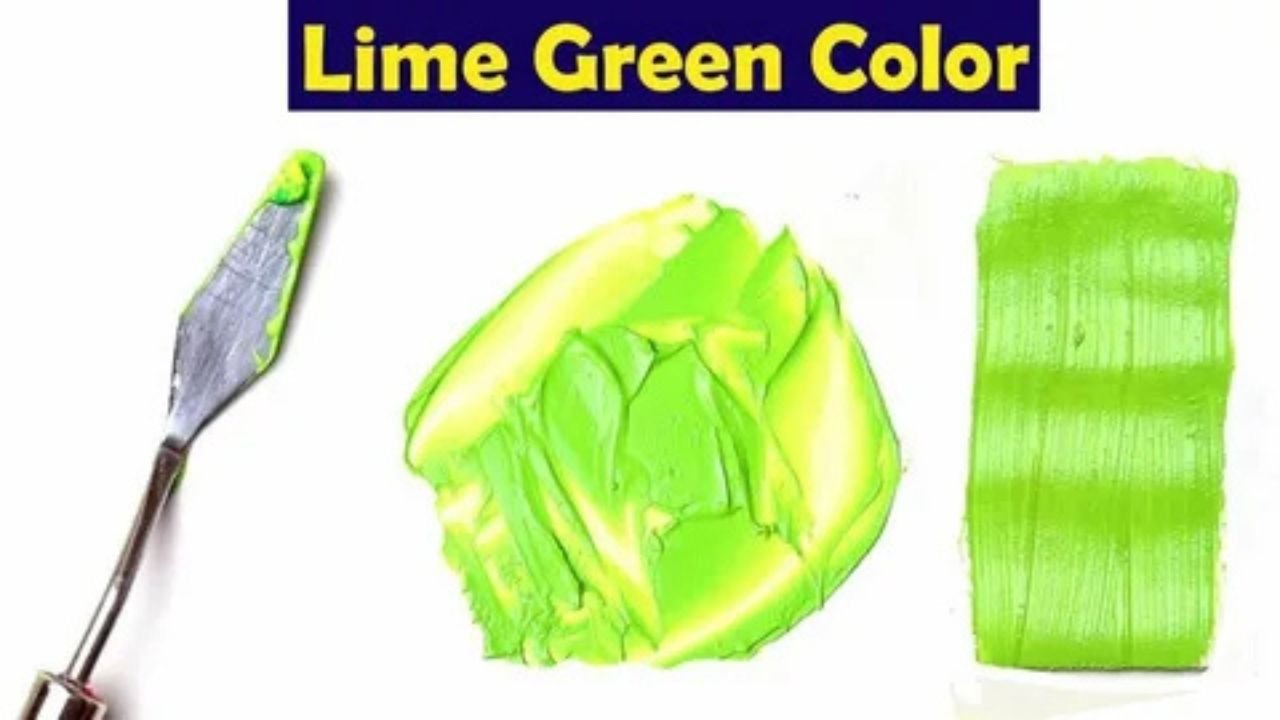
Light green can seem unpredictable on a colour wheel, but every half tone can express an individuality. Lime green is filled with energy and yellows. Use lots of yellow and a little bit of blue, and only a little bit of white to achieve the desired softness.
But mint green is cooler and gentler. Always start with a balanced green, then add well-mixed and generous amounts of white, and – if the mix is too warm – just a smidge of blue. Yellow can help keep mint from appearing “icy” if a tad is added to give it a little creaminess.
Pistachio green is in between mint and muted yellow-green. Blend the yellow and blue, adulterate with white and incorporate just a dash of brown or warm yellow.
White makes any color lighter, or ‘tints’ it. Add it slowly. Excessive amounts of white will make the mixture runny and produce a dull green instead of a vibrant one. Testing a small quantity before replacing the whole batch is a good way to avoid losing the paint and getting frustrated!
How to Make Forest, Emerald and Other Dark Greens
Sometimes a dark green isn’t so dark anymore, when it doesn’t need black. Just adding too much black can make the color appear dull, in fact! The more interesting dark green often starts with extra blue and then a dash of brown, burnt umber or red to tone it down.
To make a forest green, use a green that is made a lot of blue and a little burnt umber. The brown gives it a sense of belonging to the earth, a sense of depth, a sense of believability – much more like a shaded leaf than something created from black alone.
Emerald Green should stay transparent and be jewel-like. Mix a cool yellow and cool blue (with a cyan leaning), and then carefully add blue to deepen it. If emerald’s color is too intense for nature, stay away from brown.
To make hunter green, begin with forest green and tone it down a little with brown and/or a measured amount of red. Dark colors should be added in small quantities at all times. One overzealous grab at the black can can transform his or her imminent green into near-charcoal before anyone can save it.
How to Make Sage, Olive, and Muted Green
Populars are those products that feel calm, natural and easy to use, such as sage and olive. But they’re not just pale green or dark green, they’re muted green, that is, some of their intensity has been toned down.
Thus, if you want sage green, you should mix a medium green with white until soft sage green is achieved. Next, add a small quantity of red, grey or brown. Any amount, no matter how small or as big as a pinhead, of its complementary color red can settle the mixture of green. Too much, however, will result in muddy or brown green.
A more yellowish warm version of green. Use more yellow than blue as a base color, and add brown and/or a splash of red. A light yellow colour is often a golden yellow colour and forms a deeper olive than a sharp lemon yellow colour.
To get khaki green, keep adding brown, white or a neutral grey to the olive mixture. The earth colors are forgiving in that they are easy to manage but it’s best to add the neutralizing color in small increments.
How to Make Teal, Turquoise, and Blue-Green
Sometimes people may get the recipe wrong because Teal and Turquoise are between Blue and Green. What color is teal—green or blue? Well, really, it would have to depend on the specific shade.
To create a teal shade that is green-leaning, start with basic green and incorporate blue shades as you progress. Mix should be fairly dark and restrained. Seed bead gray, brown or black can be used to give this teal a slightly muted, sophisticated look.
Typically, turquoise is lighter and brighter. Start with blue or cyan, then add yellow to move to green then add white. More blue makes the color an ocean blue; more yellow moves the color towards tropical aqua.
Shades of blue are particularly susceptible to blue pigment. The colour can be quite subdued and quiet with ultramarine, bright with phthalo blue or cyan.
The secret lies in determining whether the final shade should come out “blue with green” or “green with blue.” The difference in that little word directs the ratio.
Why Green Paint Turns Muddy and How to Fix It
What colors make green is dependent on the medium. The traditional model of RYB is often used to explain physical paints: yellow + blue = green. A better subtractive approach involves creating a pure green color with cyan and yellow.
Screens work differently. Digital displays have an RGB model – red, green, and blue light. This system already uses green as a primary color. It is not a light between blue and yellow. For pure digital green, RGB is 0,255,0 but RGB is often not as extreme for most designs.
CMYK (cyan, magenta, yellow and black) are the colors used for normal printing. Cyan and yellow ink create green; colours may differ from displayed images due to the different behavior of light in comparison to ink.
Therefore, a painter or a digital designer/printer can use the same color name, and still employ totally different mixing.
A Simple Green-Mixing Formula to Remember
Put in the yellow and increase the blue slowly. Green mixing becomes more manageable due to this one habit as Blue colours are generally stronger and darker than Yellow ones.
Next, think in directions:
- Include the yellow for a brighter and warmer green.
- Include blue for a cooler and deeper green.
- For a lighter tint, add white.
- To make a mellow, earthy green, include brown or red.
- Include black sparingly, for depth.
- Include cyan to create a more pure and intense green color.
If you would like something more subdued and elegant, you can add some gray.
No one recipe is going to work with all paint brands and pigments. Check the color patch of the surface on which it is to be used and let it set. Changes to color after applying are possible for acrylics, watercolors, oils, wall paints, and digital paints.
Great green doesn’t always follow a recipe. From the alteration of a mixture and mindfulness of warmth, depth, brightness, and purpose.
Frequently Asked Questions
Does red and yellow equal green?
Normally, red and yellow make orange. In traditional paint mixing, green isn’t made by mixing yellow and cyan, it’s mixed from yellow and blue. If a green is already present, a little of the color red can be added to make it duller.
Which colors can be used to create dark green, but not black?
Blend yellow and blue and add in more blue for depth. A little burnt umber, brown or red can help to deepen and tone down the color and not give the flat look that black can.
How would you make green Green brighter?
Keep tools clean and steer clear of strong red tint in pigments, use cool yellows and cyan-leaning blues. The more white that you can add, the lighter it will appear, but it will not necessarily make it more saturated or colorful.
Which colors do you use to create sage green?
Begin with an ordinary green, add white to soften it and then mix in a tiny amount of red, gray or brown. When adding the neutralizing color, care needs to be taken as excessive amounts may result in a beige or mud like color when added to sage green.
