
A damp floor can create more problems than people expect. At first, it may look like a small spill, a little humidity, or a wet footprint near the do
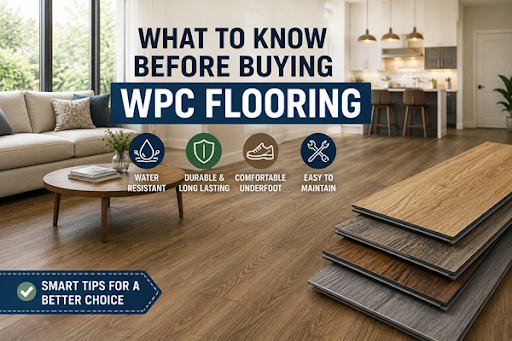
A damp floor can create more problems than people expect. At first, it may look like a small spill, a little humidity, or a wet footprint near the door. Then, after some time, the floor may swell, bend, stain, or start feeling soft underfoot. That is when the real stress begins.This is why wpc vinyl flooring has become a practical choice for areas that deal with moisture. It gives homeowners a floor that looks stylish, feels comfortable, and handles water better than many traditional materials. If you have a kitchen, basement, laundry room, bathroom, or busy entryway, the right flooring can save you from future repairs.
In this guide, we will look at why WPC flooring works well in moisture-prone areas, where it performs best, what mistakes to avoid, and how to choose a good option from Sam’s Flooring.
Water Damage Can Ruin the Wrong Flooring Fast
The problem often starts quietly. A small leak under the sink, damp shoes near the entrance, or steam from daily cooking can all affect flooring. Some floors handle this well. Others do not.Wood floors may absorb moisture and swell. Laminate can bubble if water reaches the core. Even some cheaper vinyl products may not stay stable if the quality is poor. Once moisture gets under the surface, the damage can spread before you notice it.
The hidden cost of moisture problems
A damaged floor does not only look bad. It may also become unsafe. Loose edges, raised corners, and soft spots can create trip hazards. In some cases, moisture may also lead to mold or bad smells.That is why moisture resistance should not be treated as a small detail. In rooms where water is common, it should be one of the first things you check.
Rooms that face the most moisture issues
Kitchens, bathrooms, basements, laundry rooms, and mudrooms usually deal with more moisture than other spaces. These rooms need flooring that can manage spills, humidity, and regular cleaning.A floor may look beautiful in a showroom, but daily life is the real test.
Why WPC Vinyl Flooring Handles Moisture Better
Not every vinyl floor is built the same. WPC stands for wood plastic composite. It has a strong waterproof core that helps it stay stable in damp conditions.This makes WPC vinyl floors useful in homes where water spills happen often. You do not need to panic every time someone drops a drink or walks in with wet shoes.
A waterproof core makes the difference
The core is the main reason WPC performs well in moisture-prone areas. Unlike wood or basic laminate, it does not soak up water in the same way. That means it is less likely to swell, warp, or break down quickly.Of course, water should still be cleaned up. No floor should be ignored for days. Still, WPC gives you more protection and more time to handle everyday messes.
Better stability in changing temperatures
Basements and laundry areas can feel cooler or more humid than the rest of the house. Some flooring materials react badly to those changes.WPC flooring has better dimensional stability. That means it can handle small changes in temperature and moisture without shifting as easily.
Places Around the Home Where WPC Flooring Works Best
Picture a busy morning. Someone spills coffee in the kitchen. A child runs in with wet shoes. The laundry room floor gets splashed. These things happen in real homes.That is where water-resistant vinyl flooring can make daily life easier. It gives you a surface that can handle normal moisture without constant worry.
Kitchens and dining spaces
Kitchens are full of small accidents. Water can splash near the sink. Cooking oil can drop near the stove. Drinks can spill near the dining table.WPC flooring works well here because it combines comfort, style, and moisture protection. It also comes in many wood-look designs, so the kitchen can still feel warm and inviting.
Bathrooms and laundry rooms
Bathrooms and laundry rooms need floors that can deal with water more often. Steam, splashes, and wet towels can create problems for weak flooring.WPC can be a smart fit in these spaces when installed correctly. It gives a cleaner look than old flooring and usually feels warmer than tile.
Basements and entryways
Basements often have moisture concerns. Even finished basements can feel damp at certain times of the year. Entryways also take a beating from wet shoes, mud, and outdoor dirt.
For these areas, waterproof WPC flooring can give homeowners better peace of mind.
Comfort and Durability Make Daily Living Easier
Here is something people notice after installation: WPC does not feel as hard as tile. It has a slightly softer feel, which can be helpful in rooms where you stand often.Think about cooking dinner after a long day. A hard floor can make your legs feel tired faster. WPC gives a bit more comfort underfoot while still offering strong performance.
Softer feel underfoot
The thicker core gives WPC flooring a cushioned feel. This makes it more comfortable for kitchens, laundry rooms, and living areas.
It can also help reduce sound. In busy homes, that small sound control can make a room feel calmer.
Protection against dents and scratches
Daily life is not gentle on flooring. Chairs move. Pets run. Kids drop toys. Guests walk in with shoes.A quality WPC floor usually has a protective wear layer on top. This layer helps guard against scratches, scuffs, and stains. For families, that matters a lot.
Common Flooring Mistakes That Lead to Moisture Damage
Here’s where buyers sometimes get stuck. They compare floors only by color and price. Those details matter, but they are not enough.A cheap floor may save money at first. Later, it may cost more if it fails in a damp room.
Choosing price over performance
A lower price can be tempting. Still, moisture-prone rooms need stronger flooring. If the core is weak or the wear layer is too thin, the floor may not last.
Instead of asking only, “How much does it cost?” ask, “Will this floor handle the room where I need it?”
Ignoring long-term maintenance needs
Some floors need careful cleaning and special care. Others are easier to live with. WPC is generally simple to clean with sweeping, vacuuming, and damp mopping.That makes it helpful for busy homes where people do not want a complicated maintenance routine.
How to Choose the Right WPC Floor for Your Home
A better floor starts with better questions. Where will it be installed? How much foot traffic does the room get? Are there pets or children? Is the area damp most of the year?These details help you choose a floor that fits your real life, not just your design taste.
Wear layer and thickness matter
The wear layer protects the surface. A thicker wear layer usually gives better resistance against scratches and everyday wear.The total plank thickness also affects comfort and stability. Thicker WPC flooring often feels better underfoot and may help cover small subfloor imperfections.
Finding the right style at a flooring store
A trusted flooring store can help you compare styles, thicknesses, wear layers, and finishes. Seeing samples in person can also make the decision easier.Sam’s Flooring offers flooring options for homeowners who want style, durability, and practical performance in real spaces. A local flooring supplier can also help you avoid choosing a product that looks nice but does not match your room’s needs.
Comparing WPC Flooring With Other Popular Options
A quick comparison can make the choice clearer. WPC is not the only flooring option, but it solves moisture problems better than many common materials.This is especially true in basements, bathrooms, kitchens, and laundry rooms.
WPC vs laminate flooring
Laminate can look attractive, but many laminate floors do not handle moisture well. If water reaches the core, swelling and bubbling may happen.WPC has a waterproof core, so it is usually a safer option for damp spaces. It also feels more comfortable than many laminate products.
WPC vs traditional hardwood
Hardwood gives natural beauty, but moisture is a serious concern. Water can stain, warp, or damage the boards.WPC gives a wood-look style without the same moisture worries. For families who want the look of wood in a kitchen or basement, it can be a more practical choice.A vinyl flooring option like WPC can also be easier to maintain than hardwood in active homes.
Final Thoughts
Moisture-prone areas need flooring that can handle real life. Spills, humidity, wet shoes, and daily cleaning should not turn into constant stress.WPC flooring is useful because it offers water resistance, comfort, durability, and attractive design choices. It works especially well in kitchens,bathrooms, basements, laundry rooms, and entryways.If you want flooring that looks good and performs well in damp spaces, Sam’s Flooring can help you compare practical options without making the process confusing.
