
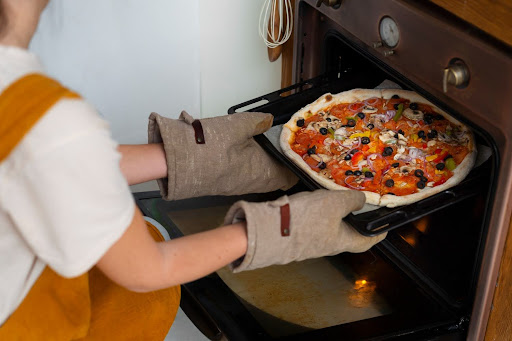
Temperature is often the deciding factor in whether a pizza is fantastic or simply excellent. Real pizza ovens are made to produce scorching temperatu
Temperature is often the deciding factor in whether a pizza is fantastic or simply excellent. Real pizza ovens are made to produce scorching temperatures that cook dough in a matter of seconds, unlike typical residential ovens that can only reach 250°C. The key to getting the prized leopard-spotted crust, a fluffy, airy cornicione, and nicely melted toppings is knowing how to control this high temperature. It is vital to understand temperature zones and time, regardless of whether you are using a wood-fired brick oven, a gas-powered appliance, or a small electric countertop model
The optimum heat ranges for various pizza types are covered in this handbook, ranging from the high-intensity blitz of a Neapolitan to the lower, slower bake of a Sicilian. Keep an eye out for a sale pizza oven if you’re looking to improve your home cooking. This game-changing device may be available to any enthusiastic chef.
The Chemistry of Baking at High Temperatures
The majority of home ovens use ambient air for baking, which takes time and dries out dough. The main method by which pizza ovens cook is using radiant heat from the floor and dome, as well as convective heat from the circulation of heated air. The extreme heat causes the water in the dough to evaporate almost immediately at 400°C, forming huge, airy bubbles (the cornicione) before the inside has a chance to dry out. The crust produced by this quick oven spring is crispy on the outside and soft, chewy, and moist on the inside. You only have a bland, cracker-like crust without this intense heat.
Neapolitan pizza: The 400–500°C Blitz
The standard for high-heat cooking is genuine Neapolitan pizza, which calls for the highest temperatures of any variety. The target floor temperature for this approach is between 430°C and 480°C, while dome temperatures are much higher. A pizza cooks in only 60 to 90 seconds at this temperature. The difficulty here is speed and rotation; the side facing the fire will burn quickly if it isn’t turned. You are looking for leoparding, which are charred black patches on a pale, airy crust. No matter the recipe, you cannot produce authentic Neapolitan pizza if your oven has trouble reaching these temperatures.
New York Style: The Sweet Spot is Between 300 and 350°C
The best compromise between scorching hot Neapolitan and typical home baking is New York-style pizza. This method bakes at a somewhat lower temperature of 300°C to 350°C for a little longer, between 4 and 5 minutes. This temperature enables the dough to crisp up perfectly without burning, resulting in a hard, flexible slice with a dry, crispy bottom. In contrast to the wetter Neapolitan dough, NY dough typically includes a little sugar and oil, which aids in its perfect browning at this moderate-high temperature. You can still make a fantastic New York-style pie even if your oven can only reach 350°C.
230–260°C for Sicilian and pan pizza
Detroit-style and Sicilian pizzas are a whole different animal due to their thick, doughy texture. You can’t use excessive heat because the dough is so thick; the top will burn before the middle cooks. A longer baking period of 10–15 minutes at a moderate oven temperature of 230°C to 260°C is necessary for these pizzas
The oil used in the oiled pan successfully fries the dough’s bottom, giving it a distinctive, crispy, fried crust. You are looking for a crispy, nearly focaccia-like texture and a rich, golden-brown hue on the top at these temperatures, not leoparding.
Comparing Your Steel to Stone
The manner in which heat is transferred to the dough is significantly influenced by the material used for the cooking surface. Stone has a far lower thermal conductivity than baking steel. To avoid the bottom from burning before the top cooks, you might need to reduce the temperature a little bit if you switch from a stone to a steel in your home oven (for example, from 290°C to 260°C).
Because baking stones have a lower conductivity, they transfer heat more slowly. In order to become saturated with heat, they need a longer preheating period, typically between 45 and 60 minutes. A steel is required,d or your stone wasn’t hot enough, if the bottom of your pizza is light-coloured but the top is cooked.
Conclusion
The most critical talent for changing your home baking is mastering pizza oven temperatures. Understanding your heat source and baking surface is crucial, whether you’re aiming for the 90-second blast of a Neapolitan at 450°C or the slower, golden crisp of a New York slice at 350°C. Keep in mind that a baking steel transfers heat more quickly than a stone, and a wooden peel prevents sticky mishaps
You will discover that the proper gear makes a big difference as you improve your skill. Keeping an eye out for a Sale oven is a terrific way to invest in equipment that will provide restaurant-quality pizza for years to come if you’re ready to step up your pizza game.
