
Facial recognition is no longer in the field of science fiction. Novel technologies that support modern security, digital onboarding, and customized e
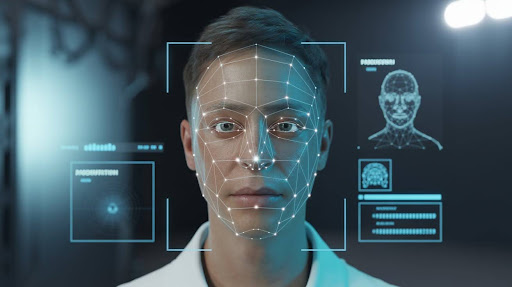
Facial recognition is no longer in the field of science fiction. Novel technologies that support modern security, digital onboarding, and customized experiences are based on what was previously envisioned in futuristic films. With remote interactions and online services ever-escalating throughout daily life, organizations have to verify identity at a speed, accuracy and trust. Facial recognition satisfies this requirement by transforming the face of a human being into an authentic, distinctive and frictionless method of authentication.
What Facial Recognition is All About?
In essence, facial recognition is a biometric methodology which examines the facial characteristics of an individual to establish his or her identity or determine veracity. It functions by the capture of an image of a face, the extraction of certain patterns, and a comparison with stored templates. This comparison is based on the deep learning algorithm which is capable of identifying minute features such as the spacing between the eyes, the curves of the jawline, the skin textures and tiny expressions. The outcome is an effective system that can be able to find out the truthfulness of a person within several seconds.
Manual Checks to Intelligent Checks.
Historically, manual inspection, paperwork, and informal checks were relied on to establish identity and were very slow and subject to human mistakes. This has been automated and improved through facial recognition which has made verification instant. Users no longer need to wait days to have their identity verified, but can now do it in a matter of moments using their smart phone camera. Not only does this shift hasten the onboarding process but also greatly minimizes fraud because loopholes that criminals use in manual processes are removed.
The functions of AI and machine learning.
The precision and effectiveness of facial recognition technology is powered by artificially intelligent technology. Millions of face samples in different angles, ages, light conditions, and environments are used in training machine learning models. These models train to tell genuine human faces and spoofed ones, identify fine details and evolve with natural age. The recognition of faces can be even more accurate and minimize false identifications, increasing the level of security.
Fraud Prevention in a Digital Age.
The level of online fraud has also become advanced, and criminals now resort to high-quality photos, videos, deepfakes, and masks to mask as the real users. Facial recognition is the initial layer of protection where anomalies that human eyes cannot detect are identified. Coupled with liveness detection it can guarantee the presence of the user at the camera and not an electronic or physical spoof. Facial recognition is therefore necessary in industries that deal with identity trust e.g. banking, fintech, healthcare, insurance and telecommunication.
Onboarding Customer Transformation.
The user experience has also become as important as security. Customers of today want a fast, intuitive, and mobile friendly verification process. Facial recognition is capable of meeting such expectations as it provides an onboarding experience that will take a few steps and will not need any physical interaction. One just needs to scan their face, upload their ID and they are immediately verified. This convenience results in increased completion, less abandonment and easier first impression to the customer.
Smarter Access Control requires power.
Facial recognition has transformed physical security even outside the realm of digital technologies. Facial verification now controls the entrance of offices, airports, stadiums, and residential complexes without keys or cards. Upon walking through the system, people are identified and therefore, entry is hands-free and contactless. This enhances security, minimizes delays and only those who are supposed to enter secure premises are allowed to do so. Facial recognition brings a much-needed level of smart surveillance in high-risk situations like border control and law enforcement.
Improving Personalization in All Industries.
Facial recognition is becoming more and more popular with brands and businesses using it to provide personalized experiences. The retail outlets may utilize the technology to learn the customer demographics and give them customized product suggestions. Hospitality sectors are trying out liveness detection check-in methods which lessen on the waiting time. Facial recognition is also used to create user profiles and secure personal data by even consumer gadgets, including smartphones, as well as smart home devices. This personalization is effective in enhancing customer satisfaction and also increase digital trust.
The Emerging Significance of Data Privacy.
Due to the popularization of facial recognition, the issue of privacy and the safety of data increases. Users would be interested to ensure that their biometric data is stored safely and in a responsible manner. The contemporary facial recognition technology is resolving this by encrypting face template, storing little information and adhering to strict compliance framework, including GDPR and ISO guidelines. Open practices and application of data in an ethical manner are essential in creating trust particularly when the technology becomes a mainstream.
The Future of Innovations.
The future of facial recognition is promising with more advancement that will render it more safe and smart. Multi-factor authentication systems based on facial recognition will be more effective with the integration of voice recognition or behavioral patterns in hybrid models. The improved depth-sensing cameras will aid systems in the analysis of the facial geometry. AI will proceed to perfect the deepfake and fake identity detection capabilities. With the expansion of the technology, it will continue to incorporate into daily life, driving security structures and personalized experience throughout the world.
Conclusion
Facial recognition is at the cross of security, convenience and innovation. It now serves as an essential solution in identity verification in the present times, to curb fraud, accelerated onboarding and facilitates access in a contactless manner in most industries. The need to have sound and smart identity systems will continue increasing as online interactions keep on increasing. As AI continues to develop and data ethics evolve, facial recognition will influence the future of digital identity in such a way that it changes and transforms.
