
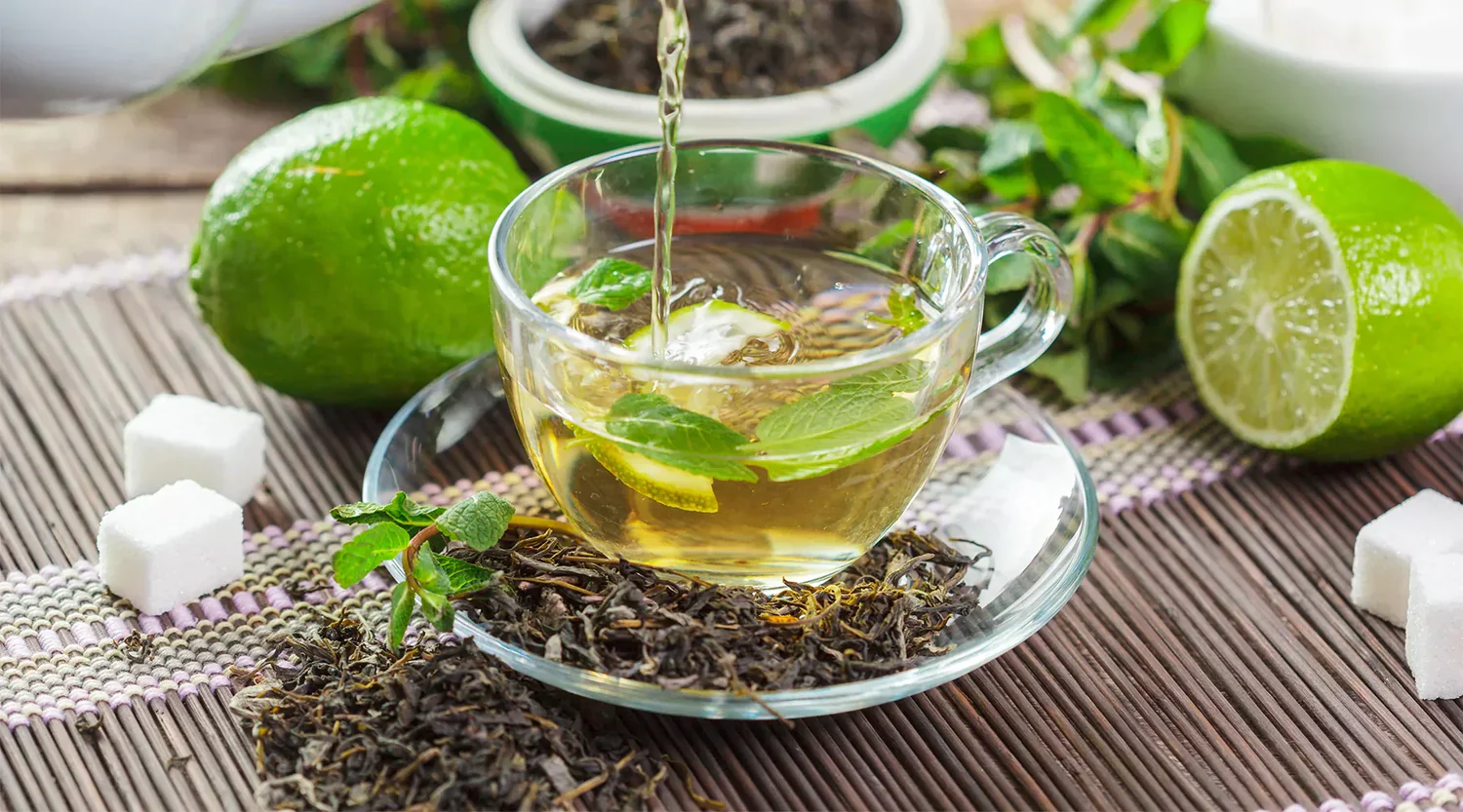
Have you ever brewed a cup of green tea that tasted unpleasantly bitter, even though everyone says it's supposed to be smooth and refreshing? You're
Have you ever brewed a cup of green tea that tasted unpleasantly bitter, even though everyone says it’s supposed to be smooth and refreshing? You’re definitely not alone.
The funny thing is, green tea isn’t difficult to make it just happens to be a little sensitive. A few extra degrees of heat or an extra minute in hot water can completely change its flavor. That’s why learning how to brew green tea properly makes such a noticeable difference.
Unlike black tea or herbal infusions that can tolerate boiling water, green tea contains delicate leaves that deserve a gentler approach. Treat them well, and you’ll enjoy a naturally sweet, grassy, and slightly floral cup. Rush the process, and those same leaves may reward you with bitterness instead.
Whether you’re brewing loose-leaf sencha, jasmine green tea, gyokuro, dragon well (Longjing), or simply using a tea bag, the fundamentals remain surprisingly similar.
Let’s start with the basics and discover why a few small adjustments can completely transform your daily cup.
Why Green Tea Requires a Different Brewing Method
Green tea is unique because its leaves undergo minimal oxidation after harvesting. This gentle processing helps preserve their natural antioxidants, amino acids, chlorophyll, and fresh vegetal flavors.
Because the leaves remain relatively delicate, they’re much more sensitive to heat than black or oolong tea.
Boiling water around 212°F (100°C) extracts too many tannins and catechins at once. The result?
A harsh, astringent cup that masks the tea’s natural sweetness.
Instead, green tea performs best when brewed with water between 160°F and 180°F (70°C to 82°C).
At this temperature, the leaves release:
- Sweet vegetal notes
- Fresh grassy aromas
- Gentle umami flavors
- Floral undertones
- Smooth mouthfeel
Think of brewing green tea like cooking fresh vegetables. Gentle heat preserves flavor, while excessive heat quickly destroys it.
Once you understand this simple principle, every cup becomes easier to perfect.
How to Brew Green Tea for the Best Flavor
If someone asked for one foolproof method, this would be it.
What You’ll Need
- 1 teaspoon loose green tea leaves (or 1 tea bag)
- 8 ounces (240 ml) fresh filtered water
- Tea kettle
- Tea infuser or teapot
- Mug
Step 1: Heat the Water
Avoid bringing the water to a rolling boil.
Instead, heat it until it reaches 160°F–180°F (70°C–82°C).
No thermometer?
Simply boil the water first, then allow it to cool for about 2–5 minutes, depending on your kettle and room temperature.
Step 2: Measure the Tea
Use approximately:
- 1 teaspoon loose tea
- 1 tea bag
for every 8-ounce cup.
Adding more tea doesn’t necessarily create a stronger brew it often creates bitterness instead.
Step 3: Steep
Pour the hot water over the tea and steep for:
- 1 minute for delicate Japanese green teas
- 2 minutes for most everyday green teas
- 3 minutes maximum for stronger varieties
Longer isn’t better.
In fact, over-steeping is probably the most common reason green tea tastes unpleasant.
Step 4: Remove the Leaves
Once the steeping time is complete, remove the tea leaves or tea bag immediately.
This prevents excessive extraction and keeps the flavor balanced.
Choosing the Right Water Temperature
If there’s one factor that separates an average cup from an exceptional one, it’s water temperature.
Many people assume hotter water always extracts more flavor. While technically true, it doesn’t always extract the flavors you actually want.
Here’s a simple guide:
| Green Tea Type | Ideal Temperature |
| Sencha | 160–170°F (70–77°C) |
| Gyokuro | 140–160°F (60–70°C) |
| Dragon Well (Longjing) | 170–175°F (77–80°C) |
| Jasmine Green Tea | 170–180°F (77–82°C) |
| Genmaicha | 175–180°F (79–82°C) |
| Hojicha | 180°F (82°C) |
Using cooler water allows amino acids like L-theanine to shine while limiting the extraction of bitter compounds.
If your kettle has temperature settings, use them. If not, simply allowing boiled water to rest for a few minutes works surprisingly well.
After a few brews, you’ll begin recognizing the difference immediately.
Loose-Leaf Tea vs. Tea Bags: Which Makes a Better Cup?
This question comes up often, especially among people who are just beginning their tea journey.
Both options have their place, but they produce slightly different experiences.
Loose-Leaf Green Tea
Loose leaves generally contain larger, whole tea leaves that expand fully during brewing.
Benefits include:
- Richer aroma
- More complex flavor
- Better quality leaves
- Multiple infusions
- Greater freshness
Many tea enthusiasts prefer loose leaves because they provide a more authentic tasting experience.
Green Tea Bags
Tea bags are convenient and quick.
High-quality tea bags can still produce an excellent cup, particularly if you pay attention to brewing temperature and steeping time.
They’re perfect for:
- Busy mornings
- Office use
- Travel
- Beginners
If convenience matters most, choose pyramid-style tea bags whenever possible, as they allow the leaves more room to expand.
Ultimately, the best choice is the one you’ll actually enjoy drinking regularly.
Common Mistakes That Make Green Tea Bitter
It’s amazing how often bitterness comes down to one or two small mistakes.
Fortunately, they’re easy to fix.
Using Boiling Water
This is the biggest culprit.
Boiling water extracts excessive tannins, leaving the tea harsh and drying.
Steeping Too Long
Even one extra minute can noticeably change the flavor.
Set a timer if needed.
Using Too Much Tea
More leaves don’t always mean more flavor.
Instead, you’ll often end up with an overpowering cup.
Poor Water Quality
Tap water containing heavy minerals or chlorine can dull delicate flavors.
Filtered water usually produces cleaner-tasting tea.
Leaving the Tea Bag Inside
Many people forget to remove the tea bag after brewing.
As it continues sitting in the water, bitterness slowly develops.
A few simple adjustments can completely change the taste of your green tea and once you get them right, it’s hard to go back.
How Different Green Tea Varieties Affect Brewing
Not all green teas taste the same, and they certainly don’t all respond to brewing in the same way.
Japanese green teas, such as Sencha, Gyokuro, and Matcha, are known for their fresh, grassy, and umami-rich flavors. Because they’re steamed shortly after harvesting, they generally benefit from lower brewing temperatures to preserve their delicate character.
Chinese green teas, including Dragon Well (Longjing) and Biluochun, are typically pan-fired rather than steamed. This process creates a smoother, nuttier profile with subtle roasted notes. They can often handle slightly warmer water without becoming bitter.
Flavored varieties like Jasmine Green Tea add another layer of aroma through the infusion of jasmine blossoms, creating a naturally floral cup that’s light and fragrant.
Experimenting with different green teas is part of the fun. Once you understand the basics of water temperature and steeping time, you’ll find it much easier to adjust your brewing method to suit each variety and discover the flavors you enjoy most.
Can You Reuse Green Tea Leaves?
If you’ve started buying loose-leaf green tea, you might wonder whether the leaves are meant for just one brew. The answer is pleasantly surprising many high-quality green teas can be steeped two or even three times.
In fact, some tea lovers enjoy the second infusion more than the first.
Why? Because the initial brew releases the lighter aromas and delicate sweetness, while later infusions often bring out deeper vegetal and umami notes without becoming overpowering.
When reusing leaves:
- Increase the steeping time by 30–60 seconds for each additional infusion.
- Keep the water temperature within the recommended range.
- Rebrew the leaves soon after the first cup rather than letting them sit for hours.
Lower-quality tea bags usually don’t hold up well to multiple infusions, but premium loose-leaf varieties often reward you with several enjoyable cups. If you’re looking to get more value from your tea, this simple habit is well worth trying.
How to Customize Green Tea Without Losing Its Flavor
Green tea has a naturally light and refreshing taste, so it’s easy to overpower it with too many extras. If you enjoy experimenting, the key is to enhance not mask its delicate character.
Here are a few popular additions:
Lemon
A squeeze of fresh lemon adds brightness and a subtle citrus aroma. Many people also enjoy the refreshing contrast between the tea’s grassy notes and the fruit’s natural acidity.
Honey
If you prefer a touch of sweetness, stir in a small amount of honey after the tea has cooled slightly. Adding honey to very hot tea can reduce some of its delicate flavor.
Fresh Mint
A few mint leaves create a cooling, refreshing drink that’s especially enjoyable during warmer months.
Ginger
Fresh ginger slices add gentle warmth and a slightly spicy finish without overwhelming the tea.
Jasmine Flowers or Citrus Peel
For a more aromatic experience, dried jasmine blossoms or a small strip of orange peel can introduce floral or fruity notes while keeping the tea light.
The goal isn’t to disguise green tea it’s to complement the flavors already present in the leaves.
How to Store Green Tea for Maximum Freshness
Even perfectly brewed tea can taste disappointing if the leaves haven’t been stored properly. Green tea is sensitive to air, moisture, heat, and light, all of which gradually reduce its flavor and aroma.
To keep your tea fresh:
- Store it in an airtight container.
- Keep it away from direct sunlight.
- Place it in a cool, dry cupboard.
- Avoid storing it near coffee, spices, or strongly scented foods, as tea easily absorbs odors.
- Use the tea within a reasonable time after opening for the best flavor.
There’s generally no need to refrigerate everyday green tea, as condensation can introduce unwanted moisture. A quality airtight tin or opaque container kept in a cool pantry is usually the best choice.
With proper storage, every cup will taste closer to how the tea maker intended.
Health Benefits of Properly Brewed Green Tea
Green tea has been enjoyed for centuries, not only for its pleasant taste but also for the naturally occurring compounds found in its leaves.
When brewed correctly at a lower temperature, it retains many of these beneficial components while avoiding excessive bitterness.
Some of the most well-known compounds include:
- Catechins, a group of natural antioxidants.
- L-theanine, an amino acid associated with a calm, focused feeling.
- Polyphenols, which contribute to the tea’s distinctive flavor profile.
- A moderate amount of caffeine, offering a gentle energy boost without the intensity of many coffees.
Of course, green tea isn’t a miracle drink, and it shouldn’t replace a balanced diet or healthy lifestyle. But enjoyed regularly as part of your daily routine, it can be a refreshing alternative to sugary beverages while delivering a naturally satisfying cup.
Conclusion
Learning how to brew green tea isn’t about following complicated rules it’s about paying attention to a few small details that make a big difference. Using water that’s between 160°F and 180°F (70°C to 82°C), measuring about 1 teaspoon of loose tea or one tea bag per 8 ounces of water, and steeping for 1 to 3 minutes will help you bring out the tea’s naturally smooth, sweet, and refreshing flavor.
Once you’ve mastered the basics, don’t be afraid to experiment with different green tea varieties, brewing times, or subtle additions like lemon, honey, or fresh mint. Every type of green tea has its own personality, and discovering your favorite is part of the experience.
With a little practice, brewing green tea becomes more than just making a drink it becomes a relaxing ritual that rewards you with a consistently delicious cup every time.
Frequently Asked Questions
1. What is the ideal temperature for brewing green tea?
Green tea is best brewed with water between 160°F and 180°F (70°C to 82°C). Using boiling water can scorch the delicate leaves, resulting in a bitter taste.
2. How long should I steep green tea?
Most green teas taste best when steeped for 1 to 3 minutes. Delicate varieties may only need about a minute, while stronger types can steep closer to three minutes.
3. Can I use boiling water for green tea?
It’s not recommended. Boiling water extracts too many tannins and other compounds too quickly, which often makes the tea taste harsh and astringent.
4. Is loose-leaf green tea better than tea bags?
Loose-leaf green tea generally offers a fresher aroma, richer flavor, and can often be brewed multiple times. However, high-quality tea bags are convenient and can still produce an excellent cup when brewed correctly.
5. Can I brew green tea more than once?
Yes. Many premium loose-leaf green teas can be infused two or three times. Simply increase the steeping time slightly with each additional brew while keeping the water temperature within the recommended range.
