
You've tidied the lawn, watered the flower beds, and finally made your garden look just the way you wanted. Then one morning, you notice a small hole
You’ve tidied the lawn, watered the flower beds, and finally made your garden look just the way you wanted. Then one morning, you notice a small hole near the shed or hear rustling beneath the decking. It doesn’t seem like much at first, but it could be the beginning of a rat problem.
Understanding UK garden rat nesting spots is one of the best ways to stop an infestation before it grows. Rats don’t randomly pick a place to live. They look for locations that offer shelter, warmth, protection from predators, and easy access to food and water.
The tricky part? Many of those hiding places are already present in an average British garden.
Whether you own a small urban garden or a large countryside property, knowing where rats like to nest can save you plenty of time, money, and frustration. Let’s explore the most common nesting spots and learn why these clever rodents find them so attractive.
Why Rats Choose Gardens as Their Home
Gardens may look peaceful to us, but to a rat, they’re packed with opportunities. A well-maintained garden can still provide everything these rodents need to survive.
The three essentials are simple: food, water, and shelter.
Bird feeders often scatter seeds onto the ground, compost bins produce warmth, overflowing bins contain scraps, and dense shrubs create ideal hiding places. Add a nearby water source like a pond, dripping outdoor tap, or pet water bowl, and your garden becomes even more appealing.
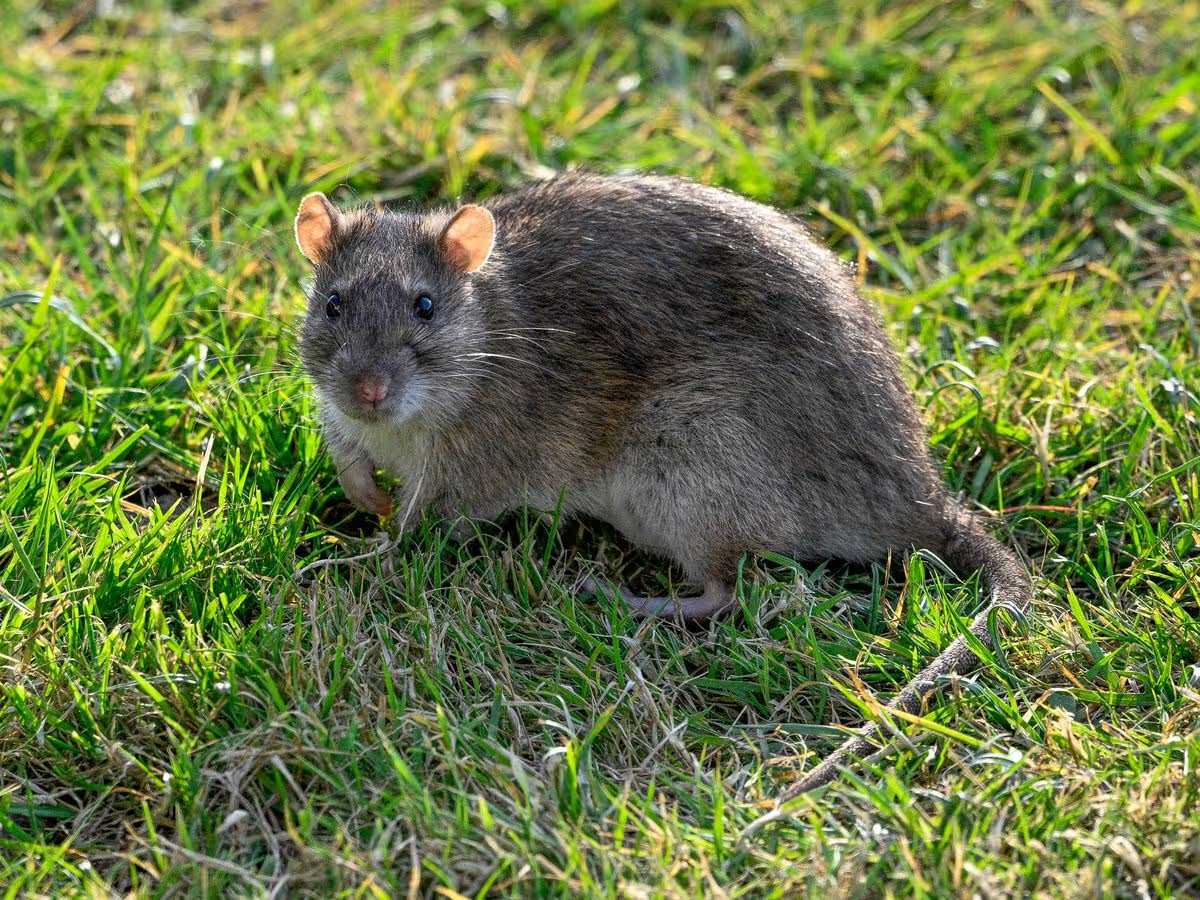
Brown rats, the most common species found in the UK, are excellent diggers and surprisingly cautious animals. They’re naturally neophobic, meaning they’re wary of unfamiliar objects and prefer hidden areas where they won’t be disturbed.
Once they discover a quiet location with reliable food and cover, they’ll often return night after night. If left unchecked, a single nesting pair can quickly establish a colony, making early detection especially important.
Common UK Garden Rat Nesting Spots
Not every corner of your garden is equally attractive to rats. They usually choose areas that remain undisturbed for long periods and provide protection from weather and predators.
Some of the most common nesting locations include:
Underground Burrows
Rats are skilled burrowers. They often dig tunnels beneath fences, flower beds, patios, or garden paths where the soil is loose and easy to excavate.
Burrow entrances usually appear as neat circular holes measuring around 6–10 cm across, often with smooth edges and little or no pile of excavated soil nearby.
Beneath Garden Sheds
Garden sheds provide darkness, warmth, and security. If the base has small gaps or raised flooring, rats can easily build nests underneath without being noticed.
Stored tools, unused equipment, and clutter around the shed only increase the appeal by providing extra cover.
Under Decking
Decking creates a sheltered space that’s rarely disturbed. It protects rats from rain while allowing them to travel unseen beneath the boards.
Because these spaces are difficult to inspect, nests can remain hidden for weeks before homeowners notice any signs.
Compost Heaps
A compost pile is almost a perfect home for rats.
It stays warm as organic material breaks down, contains food scraps if not managed correctly, and offers soft nesting material made from leaves and garden waste.
Compost bins that include cooked food or meat scraps are especially attractive.
Woodpiles and Log Stacks
Neatly stacked logs might look tidy, but they also create dry, protected gaps where rats can rest during the day.
Woodpiles left untouched for months become even more inviting, particularly during colder weather.
Overgrown Vegetation
Dense hedges, ivy-covered walls, bramble patches, and thick shrubs offer excellent concealment.
Rats use these areas as safe travel routes between feeding and nesting sites, reducing their exposure to predators like foxes and birds of prey.
How to Spot a Rat Nest Before It Becomes a Bigger Problem
One of the biggest mistakes homeowners make is waiting until they actually see a rat. By then, the nest may already be well established.
Fortunately, rats usually leave behind several clues.
Look out for:
- Fresh burrow holes around sheds or fences
- Narrow runways through long grass
- Small, dark droppings near walls or compost bins
- Gnaw marks on wood, plastic, or storage containers
- Oily rub marks along fences and walls
- Rustling sounds beneath decking or inside sheds
- Strong musky odours in enclosed spaces
You may also notice disturbed mulch, freshly dug soil, or pet food disappearing overnight.
Since rats are mainly nocturnal, inspections are often most effective early in the morning or around dusk when fresh signs are easiest to spot.
The sooner you identify these warning signals, the easier it is to deal with the problem before the population expands.
What Attracts Rats to Certain Areas of Your Garden?
Have you ever wondered why one garden seems to attract rats while the neighbour’s doesn’t? The answer usually comes down to available resources.
Food is often the biggest attraction.
Spilled bird seed, fallen fruit, unsecured rubbish bins, pet food left outdoors, and compost containing kitchen waste all provide easy meals. Even a small amount of food available every night is enough to encourage rats to stay.
Water is equally important. Bird baths, leaking taps, ponds, blocked gutters, and poorly drained areas can provide reliable drinking sources throughout the year.
Then there’s shelter. Gardens with stacked materials, unused furniture, thick vegetation, or neglected corners offer ideal hiding places where rats feel secure.
When all three elements, food, water, and shelter, exist together, your garden becomes an attractive long-term nesting site rather than just a place rats pass through.
Are Garden Rats Dangerous?
Many people assume rats are simply an unpleasant nuisance. While they certainly can be, they may also create genuine health and property concerns if their numbers grow.
Rats can contaminate outdoor surfaces, compost areas, sheds, and stored materials with urine and droppings. They may also carry parasites such as fleas, mites, and ticks, which can spread to pets or other wildlife.
Beyond health concerns, rats are persistent gnawers. Their teeth never stop growing, so they constantly chew on wood, plastic, rubber, and even electrical wiring. This behaviour can damage sheds, irrigation systems, fencing, storage boxes, and garden equipment.
There’s also the issue of reproduction. Under favourable conditions, rats breed quickly, meaning what starts as a single pair can become a much larger problem within a relatively short period.
For these reasons, it’s always better to address the signs of rat activity early rather than hoping they’ll move on by themselves.
How to Prevent Rats from Nesting in Your Garden
The good news is that most rat infestations are preventable. You don’t need to turn your garden into a fortress you simply need to make it less attractive than the one next door.
Start by removing easy food sources. Clean up spilled bird seed regularly, harvest fallen fruit, and avoid leaving pet food outside overnight. If you compost, use a secure compost bin with a fitted lid and avoid adding meat, dairy, or cooked food scraps.
Next, reduce potential hiding places. Trim overgrown shrubs, mow long grass, and clear away piles of timber, bricks, or unused garden materials. If you have decking or a shed, inspect underneath for gaps and consider installing wire mesh around the base to discourage burrowing.
Water also plays a role. Repair leaking taps, empty standing water where possible, and keep drains clear.
Simple maintenance carried out throughout the year is often enough to convince rats that your garden isn’t worth settling in.
What to Do If You Find a Rat Nest
Discovering a rat nest can be unsettling, but it’s important not to panic or disturb it immediately. Rats are cautious animals, and disrupting a nest without a plan may simply cause them to relocate to another part of your property.
First, confirm that the activity is current. Fresh droppings, newly dug soil, and regular sightings usually indicate an active nest.
Next, remove whatever is attracting them. Secure rubbish bins, eliminate accessible food sources, and tidy nearby vegetation. Without food and shelter, many rats will eventually move elsewhere.
Avoid blocking burrow entrances straight away if you know rats are still active. Trapping them underground can create unpleasant odours and may encourage them to dig new escape routes.
For larger infestations or repeated activity, it’s usually best to contact a professional pest control specialist. They can identify entry points, assess the extent of the infestation, and recommend the safest and most effective treatment.
Seasonal Changes in Rat Nesting Behaviour
Rat activity doesn’t disappear with the seasons it simply changes.
During spring and summer, rats are highly active as they search for food and raise young. Gardens full of flowering plants, vegetable patches, and bird feeders provide plenty of opportunities.
Autumn often sees an increase in activity as rats prepare for colder weather. They’ll search for sheltered nesting locations and reliable food sources before winter arrives.
In winter, many rats move closer to buildings, sheds, garages, and homes where temperatures are more stable. Compost heaps remain particularly attractive because they generate heat as organic material decomposes.
Understanding these seasonal patterns helps you stay one step ahead. A quick garden inspection at the start of each season can often reveal early signs before they develop into a serious infestation.
Common Mistakes That Encourage Rats
Sometimes, homeowners accidentally create the perfect environment for rats without realising it.
Here are a few common mistakes to avoid:
- Leaving bird seed scattered beneath feeders.
- Allowing compost heaps to become unmanaged.
- Storing firewood directly on the ground.
- Ignoring small burrow holes near fences or sheds.
- Letting hedges and shrubs become overly dense.
- Keeping overflowing rubbish bins uncovered.
- Leaving pet food or livestock feed outdoors overnight.
- Neglecting regular garden maintenance.
None of these issues guarantees a rat problem, but together they significantly increase the chances of attracting unwanted visitors.
Making a few simple changes can greatly reduce the likelihood of rats choosing your garden as their permanent home.
Conclusion
Understanding UK garden rat nesting spots is the first step toward protecting your outdoor space. Rats naturally seek quiet, sheltered locations with easy access to food and water, making areas such as compost heaps, sheds, decking, woodpiles, underground burrows, and overgrown vegetation particularly attractive.
The good news is that prevention is usually much easier than dealing with a full infestation. Regular garden maintenance, proper waste management, secure composting, and removing potential hiding places can make your property far less appealing to rodents.
If you notice fresh burrows, droppings, gnaw marks, or other warning signs, acting quickly can prevent a small issue from becoming a much larger problem. With a little vigilance and consistent upkeep, you can enjoy a healthier, cleaner garden that’s far less inviting to rats throughout the year.
Frequently Asked Questions
1. Where are the most common UK garden rat nesting spots?
Rats commonly nest in underground burrows, compost heaps, beneath sheds and decking, inside woodpiles, dense hedges, overgrown vegetation, and unused outbuildings where they have shelter and easy access to food.
2. How can I tell if rats are nesting in my garden?
Look for signs such as burrow holes, droppings, gnaw marks, narrow runways through grass, oily rub marks on walls, disturbed soil, and rustling noises under decking or inside sheds.
3. Does a compost heap attract rats?
Yes, especially if it contains cooked food, meat, or dairy products. A well-managed compost bin with a secure lid and only suitable compostable materials is much less likely to attract rodents.
4. Will removing food sources make rats leave?
Reducing access to food, water, and shelter can make your garden much less attractive. While this often encourages rats to move elsewhere, established infestations may require professional pest control for complete removal.
5. When should I call a pest control professional?
If you notice repeated rat sightings, multiple burrows, ongoing damage, or signs that the population is increasing despite your prevention efforts, it’s a good idea to contact a qualified pest control expert for a thorough assessment and treatment plan.
