
The first sip can be surprising. Instead of heavy, smoky flavors, you may taste lemon, berries, honey, jasmine, or something almost tea-like. Did some
The first sip can be surprising. Instead of heavy, smoky flavors, you may taste lemon, berries, honey, jasmine, or something almost tea-like. Did somebody put fruit in the brewer? Probably not. You are likely drinking a light roast.
So, what is a light roast coffee? It is coffee roasted for less time and to a lighter final color than medium or dark coffee. That shorter roast keeps more of the bean’s original character noticeable. It is not weak or undercooked—just brighter, more aromatic, and often more revealing of where the beans came from.
What Is a Light Roast Coffee? The Simple Answer
A light roast coffee is produced by roasting green coffee beans to a light brown color, usually ending the roast during or shortly after the stage known as first crack. Depending on the machine, bean, and measuring method, this may happen around 350°F to 400°F, although no universal temperature standard exists.
The finished beans are generally dry and matte rather than shiny with surface oils. They also remain denser and less porous than beans roasted much darker.
In the cup, light roasts emphasize origin, variety, growing conditions, and processing. Expect clearer acidity, a lighter body, and notes of citrus, stone fruit, berries, flowers, tea, honey, or sugarcane. Not every light roast is fruity; the green coffee still sets the foundation.
How Light Roast Coffee Is Made
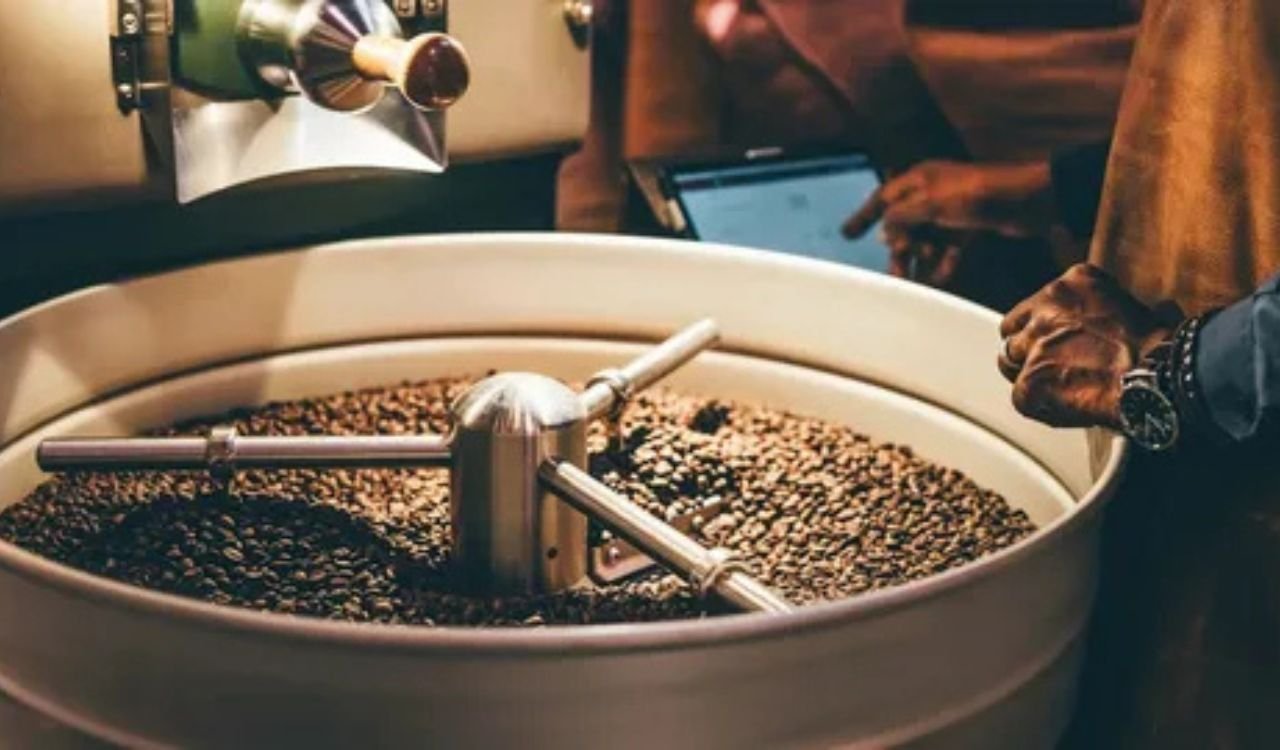
Coffee begins as the green, firm seed of a coffee cherry. Inside the roaster, heat drives away moisture and starts physical and chemical changes. The beans turn yellow, brown, expand, and develop aromatic compounds.
Eventually, pressure from steam and gases causes an audible series of pops called the first crack. It sounds a little like quiet popcorn. For a light roast, the roaster usually ends the batch around this stage or after a relatively short development period.
Timing matters. Pull the beans too early, and they may taste grassy, cereal-like, or sharply sour. Roast them skillfully, and the cup can be sweet, transparent, and complex. “Light” should describe the roast level, not poor development.
What Does Light Roast Coffee Taste Like?
Light roast coffee often tastes bright, lively, and detailed. Common tasting notes include lemon, orange, peach, blueberry, strawberry, jasmine, black tea, honey, and caramel. These words do not mean flavoring was added. They describe aromas created by the variety, origin, processing, roasting, and brewing.
The body is usually lighter than that of a dark roast. Think silky or tea-like instead of thick and syrupy. Bitterness is often lower, while perceived acidity is more noticeable.
Two light roasts can taste wildly different. A washed Ethiopian coffee might seem floral and citrusy, while a naturally processed Brazilian coffee may lean toward berries, nuts, or chocolate. Roast level matters, but it is only one member of the band. The bean itself still plays lead guitar.
Is Light Roast Coffee More Acidic?
Light roast coffee usually has more noticeable acidity than dark roast, but “acidity” needs some unpacking. In coffee tasting, it often means a bright, fresh sensation similar to citrus, apple, grape, or other fruit. It can make a cup feel crisp and interesting rather than dull.
That sensory brightness is not the same as the drink’s pH or its effect on a sensitive stomach. Origin, brewing method, serving size, and individual tolerance also matter.
If a light roast tastes unpleasantly sour, the roast is not automatically the problem. Under-extraction is a common culprit. Water that is too cool, a grind that is too coarse, or a brew time that is too short may leave the cup thin and sharply sour. Better extraction often turns that harshness into sweetness and clarity.
Light Roast vs. Medium Roast vs. Dark Roast
The key difference is how far the beans are roasted, but that choice also affects color, density, aroma, body, solubility, and flavor.
| Feature | Light Roast | Medium Roast | Dark Roast |
| Bean color | Light brown | Medium brown | Dark brown to nearly black |
| Surface | Usually dry and matte | Mostly dry | Often oily |
| Flavor focus | Origin and processing | Balance of origin and roast | Roast-driven flavors |
| Common notes | Fruit, flowers, tea, honey | Caramel, nuts, chocolate, fruit | Cocoa, smoke, toast, bitterness |
| Body | Light to medium | Medium | Fuller or heavier |
| Perceived acidity | More noticeable | Balanced | Usually lower |
None is automatically better. Light roast showcases nuance, medium offers balance, and dark emphasizes roasted flavors. Your favorite is the one you enjoy—coffee awards no medals for suffering.
Does Light Roast Coffee Have More Caffeine?
The honest answer is that roast color alone does not reveal exactly how much caffeine will be in your cup. Coffee species, dose, brewing method, extraction, and serving size may matter as much as roast level.
Light beans are denser because they lose less mass and expand less during roasting. A scoop measured by volume can therefore contain a different amount of actual coffee than the same scoop of darker beans. When coffee is weighed, the comparison can change.
Research offers no single rule for every bean and recipe. Some brews show slightly more caffeine from lighter roasts; other analyses find small differences.
The practical advice is wonderfully unglamorous: use a scale and watch your dose. Darker flavor does not automatically mean a stronger caffeine kick, and a light-looking cup is not necessarily mild.
How Origin and Processing Shape a Light Roast
A light roast acts like a clean window: it lets you notice more of the raw coffee. Country is only part of the story; region, altitude, variety, climate, harvest, and processing add detail.
Washed coffees often taste clean and defined, with crisp acidity and easy-to-separate notes. Natural-process coffees dry with the fruit around the seed and may taste sweeter, fruitier, or more fermented. Honey and anaerobic processes can add different textures and aromas.
Origin labels are clues, not guarantees. Ethiopian coffees often suggest florals, citrus, or berries; many Central American coffees offer sweetness, chocolate, and structured fruit; Brazilian coffees frequently bring nuts, cocoa, and softer fruit.
That is much of the appeal: each bag can feel like a new place rather than the same roasted flavor wearing a different label.
How to Brew Light Roast Coffee Without Making It Sour
Light-roasted beans are generally less porous and less soluble than darker beans, so they may require more effort to extract well. Pour-over, drip, AeroPress, French press, and espresso can all work. Yes, even espresso. Your grinder and recipe matter more than coffee folklore.
Start with freshly ground beans and weigh both coffee and water. For filter coffee, a ratio near 1:16 is a sensible starting point—about 20 grams of coffee to 320 grams of water. Use hot water, then adjust by taste.
If the cup is sour, thin, or salty, grind finer, brew longer, or use hotter water. If it is bitter, dry, or harsh, grind coarser or shorten the extraction. Change one variable at a time, or you will not know which adjustment rescued—or ruined—the cup.
How to Choose, Store, and Enjoy Light Roast Beans
Look for a bag with a clear roast date, origin, processing method, and tasting notes that sound appealing. “Floral and citrus” suits a different mood from “honey, almond, and milk chocolate,” even when both coffees are lightly roasted.
Buy whole beans when possible and grind just before brewing. Store them in an airtight, opaque container away from heat, moisture, and sunlight. Refrigeration can introduce condensation and odors. For longer storage, freeze well-sealed portions rather than repeatedly opening and refreezing one bag.
Give freshly roasted beans time to release gas, especially before making espresso, and use taste rather than a rigid calendar to judge freshness.
Ultimately, what is a light roast coffee? It is a roast style designed to preserve clarity and origin character. If you enjoy bright flavors, aroma, and variety, it may make your morning cup much more interesting.
Frequently Asked Questions
Is light roast coffee weaker than dark roast?
Not necessarily. Its lighter body and lower roast bitterness can seem weak, but brew strength mainly depends on coffee-to-water ratio and extraction. A well-brewed light roast can taste intense without tasting smoky.
Is light roast coffee always sour?
No. A good light roast balances acidity with sweetness. A sharply sour cup may come from poor roasting, but brewing is often responsible. Try a finer grind, hotter water, or longer brewing.
Can light roast coffee be used for espresso?
Absolutely. It can be sweet, floral, fruity, and complex, though it may need a finer grind, longer ratio, or careful temperature control. Do not expect a traditional dark, chocolate-heavy shot.
Does light roast coffee contain more antioxidants?
Light roasting may retain more of certain compounds, including some chlorogenic acids, but that does not make every light roast automatically healthier. The bean, brewing method, serving size, and overall diet matter.
What foods pair well with light roast coffee?
Try light roast with fruit, pastries, yogurt, mild cheese, or lightly sweet desserts. Floral coffee can pair with lemon cake, while a nutty roast works well with almond pastries or buttery toast.
