
A tooth abscess is one of the most painful dental problems a person can experience. The intense throbbing pain, swelling, and pressure often make it i
A tooth abscess is one of the most painful dental problems a person can experience. The intense throbbing pain, swelling, and pressure often make it impossible to ignore. Yet many people still wonder whether an abscess is truly dangerous or simply an uncomfortable dental issue. The question of how fast a tooth abscess can kill you usually comes from fear after reading alarming stories online. While death from a tooth abscess is rare in modern healthcare systems, it is not impossible when severe infections are ignored for long periods.
The real danger lies in how quickly bacteria can spread once they escape the tooth and surrounding tissues. Some abscesses remain localized for weeks,s while others progress rapidly and require emergency treatment.
Understanding how a tooth abscess develops and what warning signs indicate serious complications can help people seek treatment before a manageable problem becomes a medical emergency.
What Exactly Is A Tooth Abscess
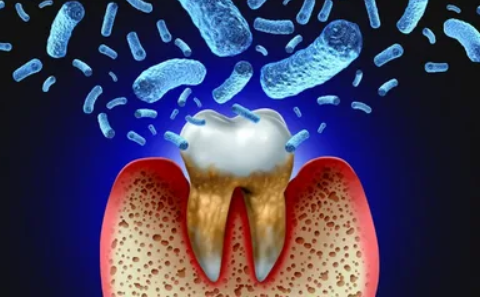
A tooth abscess is a pocket of pus caused by a bacterial infection. It typically develops when bacteria enter the tooth through decay cracks, trauma, or advanced gum disease.
As bacteria multiply, the immune system responds by sending white blood cells to the area. This battle between bacteria and the body’s defenses leads to the formation of pus.
There are several types of dental abscesses. Some form at the root tip of the tooth,h while others develop in the gums surrounding the tooth.
The buildup of pressure inside the infected area often causes severe throbbing pain. Many patients describe it as one of the most intense forms of dental discomfort they have ever experienced.
Although an abscess starts in a small area, ea it has the potential to affect much larger regions if treatment is delayed.
How Fast Can A Tooth Abscess Become Dangerous
There is no universal timeline because every infection behaves differently. Some abscesses progress slowly while others spread surprisingly fast.
The speed depends on factors such as the type of bacteria involved, immune system strength,h overall health,h and how long the infection has already been present.
A healthy individual may contain an infection for an extended period. However, even healthy people can develop serious complications if treatment is delayed.
In some cases, swelling and infection can spread within days. Other abscesses may cause recurring symptoms for weeks or months before becoming severe.
The important point is that once symptoms begin worsening rapidly, the situation can change much faster than many people expect.
Rather than focusing on a specific number of days, patients should pay attention to symptom progression and seek prompt professional care.
Why A Tooth Abscess Is More Serious Than A Toothache
Many people mistakenly assume that an abscess is simply a severe toothache. In reality,y an abscess represents an active bacterial infection.
A regular cavity may cause discomfort,r t but an abscess contains concentrated infection and inflammatory material. This creates the potential for bacteria to spread beyond the tooth.
The infection can move into the gums, jawbone, facial tissue,s and nearby spaces within the head and neck. Once deeper tissues become involved, ed treatment often becomes more complex.
Pain itself is not the biggest threat. The primary concern is bacterial spread. A person may even experience reduced pain if an abscess ruptures, but the infection can remain active.
This misunderstanding sometimes causes people to delay treatment because they believe symptoms are improving when the infection may still be progressing.
Signs That A Tooth Abscess Is Getting Worse
The body often provides several warning signs before complications become severe. Recognizing these symptoms early can help prevent serious outcomes.
Increasing pain is one common indicator. Swelling around the gums, cheek,s or jaw often follows. Many patients notice tenderness when touching the affected area.
Fever can develop as the body attempts to fight the infection. Some individuals also experience swollen lymph nodes in the neck.
An unpleasant taste in the mouth may occur if the abscess begins draining. Bad breath is another frequent complaint.
Symptoms that continue to worsen rather than improve should never be ignored. A rapidly changing condition often signals that the infection is spreading beyond its original location. The sooner treatment begins, the easier it is to control bacterial growth.
How A Tooth Abscess Can Affect The Entire Body
The mouth is connected to the rest of the body through blood vessels and tissue networks. This connection explains why untreated dental infections can sometimes create widespread health problems.
If bacteria enter the bloodstream,m they can trigger a serious inflammatory response throughout the body. This condition is known as sepsis.
Sepsis is not exclusive to dental infections, but it represents one of the most dangerous complications associated with untreated abscesses. It requires immediate medical care.
Infections may also spread into deep facial spaces and surrounding structures. In rare cases, critical areas of the head and neck can become involved.
These complications are uncommon when treatment is obtained promptly. However, they demonstrate why healthcare professionals take dental abscesses seriously rather than treating them as minor inconveniences.
Emergency Symptoms You Should Never Ignore
Certain symptoms require urgent medical attention because they may indicate advanced infection.
Difficulty swallowing is one major warning sign. Swelling affecting the throat can interfere with normal function and create additional risks.
Breathing problems are even more serious. Any swelling that impacts the airway should be treated as a medical emergency.
High fever combined with facial swelling deserves immediate evaluation. Rapidly spreading swelling around the eye,s neck, or jaw also requires urgent care.
Some individuals experience weakness, confusion,n or dizziness as the infection becomes more severe. These symptoms should never be dismissed.
If emergency warning signs appear, seeking immediate treatment is far safer than waiting to see whether symptoms improve.
A Patient Experience That Highlights The Risks
A middle-aged man developed a painful toothache but postponed treatment because work responsibilities kept him busy. Over several weeks, the pain intensified,d and swelling appeared near the affected tooth.
He relied on pain relievers and hoped the problem would eventually settle down. Instead, ad the swelling spread into his cheek and fever developed.
One morning, he noticed difficulty swallowing and sought emergency care. Doctors determined that the infection had extended beyond the original abscess and required urgent treatment.
Fortunately,y he recovered fully after receiving appropriate care. However, er his experience demonstrates how a seemingly localized dental problem can evolve into a much more serious condition when ignored.Early treatment would have prevented much of the discomfort and risk.
How Dentists Treat A Tooth Abscess
The primary goal of treatment is to eliminate the infection and prevent further spread. Dentists select treatment based on the condition of the tooth and surrounding tissues.
Drainage is often the first step when pus accumulation is present. Removing infected material reduces pressure and helps the healing process begin.
Root canal therapy may be recommended if the tooth can be saved. This procedure removes infected tissue from inside the tooth and seals it against future infection.
When damage is extensive, extraction may be necessary. Removing the affected tooth eliminates the infection source completely.
Antibiotics are frequently used when swelling or systemic symptoms are present. However, medication alone usually does not replace definitive dental treatment.
Can A Tooth Abscess Be Prevented
Most dental abscesses develop gradually,y which means many cases are preventable. Consistent oral hygiene remains one of the best protective measures.
Brushing twice daily helps remove plaque and harmful bacteria. Flossing cleans areas between teeth where infections often begin.
Routine dental examinations allow cavities and gum disease to be identified before they become severe. Early treatment is generally simpler and less expensive than managing an abscess.
Diet also plays a role. Reducing sugar consumption lowers the risk of tooth decay, ay while staying hydrated supports overall oral health.
Small habits practiced consistently often prevent the painful and potentially serious consequences of untreated dental infections.
Conclusion
So, how fast can a tooth abscess kill you? There is no exact timeline because every infection progresses differently. Some abscesses remain localized for an extended period,s while others spread quickly and create serious complications.
The greatest risk comes from ignoring symptoms and allowing bacteria to spread beyond the original infection site. Severe swelling, high fever, difficulty swallowing, and breathing problems should always be treated as urgent warning signs.
Modern dental care offers highly effective treatments that can eliminate infection and prevent complications. Seeking professional help early remains the safest and smartest approach.
When it comes to a tooth abscess, delaying treatment rarely improves the situation. Acting promptly protects both oral health and overall well-being.
FAQs
Is a tooth abscess considered a medical emergency?
A tooth abscess may become an emergency if severe swelling, high fever, breathing difficulties,s or swallowing problems develop.
How long can a tooth abscess go untreated?
Some abscesses remain stable for weeks or months, but delaying treatment increases the risk of complications and infection spread.
Can a burst tooth abscess heal itself?
A ruptured abscess may temporarily reduce pain,n but the underlying infection often remains and still requires treatment.
What is the biggest danger of a tooth abscess?
The greatest risk is bacterial spread into surrounding tissues or the bloodstream, which can lead to serious health complications.
Can antibiotics cure a tooth abscess completely?
Antibiotics help control infection, but definitive dental treatment is usually needed to remove the source of the problem.
