
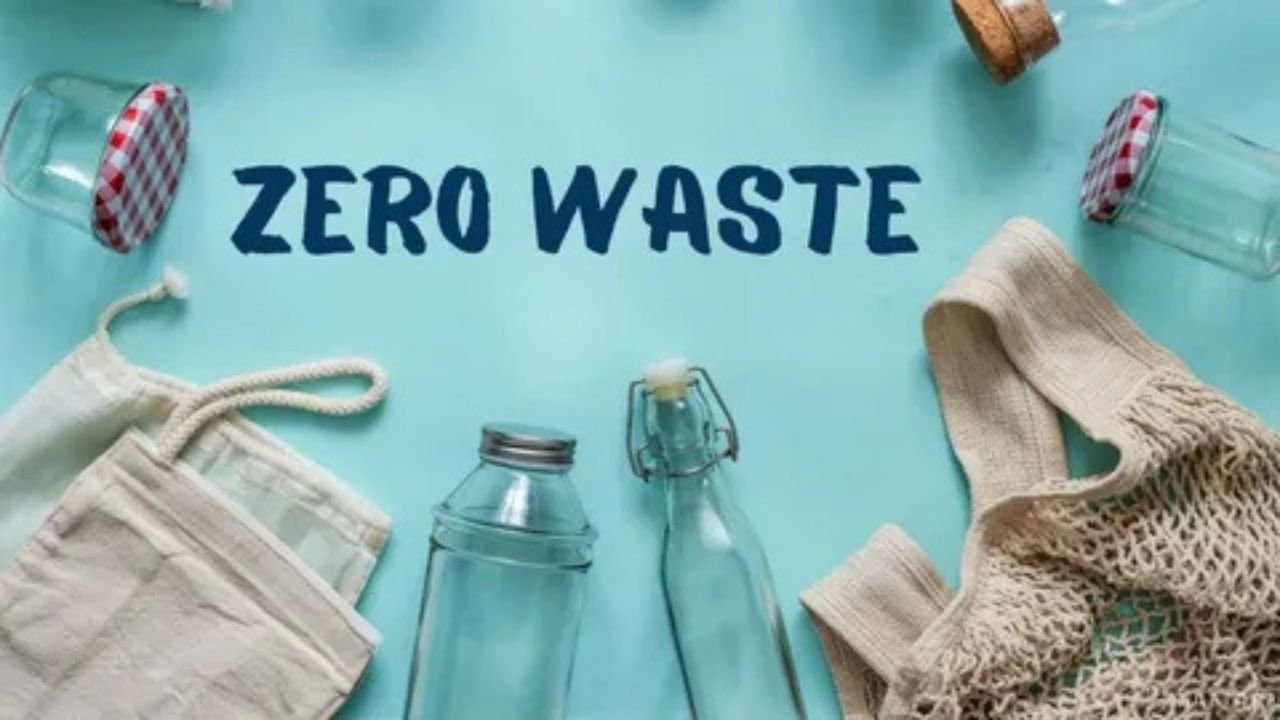
The idea of fitting a year’s rubbish into one glass jar makes an impressive photograph. It can also make an ordinary person look at an overflowing ki
The idea of fitting a year’s rubbish into one glass jar makes an impressive photograph. It can also make an ordinary person look at an overflowing kitchen bin and think, “That will never be me.”
Fair enough. A zero-waste lifestyle is not a contest to see who owns the smallest bin. It is a practical effort to prevent waste, keep useful materials in circulation, and send as little as possible to landfills or incinerators. One household may make dramatic changes; another may begin by planning meals and refusing disposable cutlery. Both are moving forward.
The useful question is not whether someone can eliminate every scrap of rubbish overnight. It is whether everyday habits can become less wasteful, less expensive, and more intentional. They can—and the best place to start is usually with what is already at home.
What a Zero Waste Lifestyle Really Means
Zero waste is much bigger than sorting bottles and cans. It challenges the familiar take-make-dispose system in which resources are extracted, turned into products, and quickly thrown away. A better approach keeps products and materials useful through thoughtful design, responsible consumption, repair, reuse,e and recovery.
For an individual, that means looking beyond the bin. Was an item necessary? Could it have been borrowed, repaired, or bought second-hand? What will happen when it is no longer useful?
Consumers do not control the entire product life cycle. Manufacturers, retailers,s and waste services also carry responsibility. Still, personal choices influence demand. Choosing durable, reusable, le and repairable products helps support an economy in which materials remain useful instead of becoming rubbish after one brief use.
Follow the 5 Rs in the Correct Order
The 5 Rs are most effective when treated as a hierarchy.
Refuse what is unnecessary, such as freebies, disposable utensils,s and unwanted packaging. Reduce the amount being purchased. Reuse containers, bags, clothes, and equipment before replacing them. Recycle accepted materials correctly when reuse is no longer possible. Finally, rot suitable food and garden scraps through composting.
The order matters. Recycling a disposable bottle is useful, but refusing a bottle that was never needed prevents manufacturing, transport, and disposal in the first place.
Beginners sometimes buy a cupboard full of “eco-friendly” replacements and discard perfectly usable products. That creates more consumption, not less. The lower-waste choice is usually to finish, repair,r or repurpose what is already there before buying something new.
Start With a Simple Household Waste Audit
Before changing everything, notice what is actually being discarded. For one week, pay attention to the general bin, recycling containers, er and food scraps. A short note on a phone is enough.
Which items appear repeatedly? Perhaps takeaway containers dominate the weekend. Maybe vegetables spoil in the refrigerator, bathroom products arrive in difficult packaging, or online orders bring layers of plastic.
Choose the largest repeat problem first. A family wasting food may benefit more from meal planning than from buying metal straws. Someone purchasing bottled drinks daily may get more value from carrying a reusable bottle.
A waste audit turns a vague environmental goal into a focused plan. It also prevents people from spending money on attractive zero waste swaps that solve a problem their household barely has.
Make the Kitchen Your First Big Win
The kitchen offers quick opportunities because food, packaging, and disposable products meet in one busy room.
Check cupboards and the refrigerator before shopping. Plan realistic meals, write a list,t and avoid buying ingredients for an imaginary week in which every dinner is prepared from scratch. Move older food to the front, freeze extra portions, ns and keep a few flexible leftover recipes ready.
Reusable bags, bottles, and lunch containers can replace frequently discarded products, but only when they are actually used. Keep them near the door or inside a work bag instead of hiding them in a tidy drawer.
Buying loose produce or larger packs may reduce packaging. However, bulk buying becomes wasteful when food spoils before anyone eats it. The best quantity is not always the largest one; it is the amount the household will genuinely finish.
Shop With Intention, Not Environmental Guilt
Sustainability marketing can turn low-waste living into another shopping trend. Suddenly, a responsible home appears to require matching glass jars, bamboo utensils, expensive cleaning kits, and a completely new wardrobe.
Pause. The greenest product is often the one already owned.
Finish the shampoo. Keep using the plastic container. Wear the jacket. Replace something when it is worn out, unsuitable, or genuinely needed—not simply because an eco-branded alternative looks attractive online.
When buying is necessary, consider durability, repairability, and versatility. Are replacement parts available? Could the item be rented or purchased second-hand? Will it serve more than one purpose?
A zero waste lifestyle should reduce pressure rather than create shame. Thoughtful consumption is about asking better questions before purchasing, not feeling guilty whenever an imperfect product enters the house.
Reuse, Repair, Borrow,w and Share
Many belongings are discarded because replacement feels easier than imagination. A torn shirt can be stitched. A scratched table may be refinished. Glass jars can store leftovers, scre,ws or craft supplies. Some appliances can be repaired even when advertising insists that an upgrade is overdue.
Borrowing works particularly well for products used once or twice a year. Does every household need its own drill, carpet cleaner, or folding table? Tool libraries, rental services, and informal sharing keep useful products in circulation without multiplying ownership.
Clothing swaps, donation groups, and second-hand marketplaces can also extend the life of furniture, books, toys,s and children’s equipment.
Reuse does not mean keeping every container forever. That only moves waste into an overcrowded cupboard. Keep items with a clear purpose, pass useful extras to someone else, and handle the remainder responsibly.
Recycle Smarter, Not Simply More
Recycling matters, but it cannot rescue unlimited consumption. It also works only when materials are accepted and prepared according to local rules.
A recycling symbol does not guarantee that a local service can process an item. Accepted plastics, lids, cartons, glass, and flexible packaging vary by location. Check guidance from the local council or collection company rather than relying on memory.
Placing doubtful items in the recycling bin is often called wishcycling. Plastic bags, batteries, greasy containers, and mixed-material packaging may contaminate collected materials or create sorting problems.
Create a simple sorting station, keep accepted items reasonably clean,n and find the correct collection points for specialist waste such as electronics and batteries. The aim is not to fill the recycling container every week. It is to send the correct materials into a system capable of recovering them.
Compost Food Scraps in a Way That Suits the Home
Rot, the final R, returns suitable organic material to a natural cycle. Fruit and vegetable scraps, coffee grounds, eggshells, and some garden waste can become useful compost under the right conditions.
A large backyard pile is not the only option. Compact bins, worm farms, and community composting schemes may work for apartments or smaller homes. Some municipal services also collect food scraps separately.
The right method depends on space, climate,e and local facilities. Not every home system accepts meat, dairy, oily food, od or packaging labelled “compostable.” Certain materials require industrial composting, so labels and local instructions should be checked.
Composting is valuable, but preventing food waste comes first. Eating the broccoli is better than composting it. Plan and store food carefully, then compost the unavoidable peels, cores, and scraps.
Build Progress Without Chasing Perfection
Real households have budgets, children, health needs ,limited shopping optionsp,s and unpredictable schedules. The same zero waste solution will not work for everyone.
Choose changes that are affordable and repeatable. During week one, complete a waste audit. In week two, prevent one frequently discarded item. During week three, improve meal planning or food storage. In week four, create one lasting system, such as keeping reusable bags by the door or joining a compost collection.
Then look for results. Is the general-waste bin filling more slowly? Has less food spoiled? Were fewer unnecessary products purchased?
Individual changes matter, but larger systems matter too. Support repair businesses, refill schemes, libraries and policies that reduce excessive packaging. The goal is not one perfect person producing no rubbish. It is many people wasting less while encouraging companies and communities to design waste out of the system.
Final Thoughts
Living with less waste is not about displaying moral superiority through an almost empty bin. It is about respecting resources, buying with care and keeping useful products out of disposal systems for longer.
Start with the waste that appears most often. Follow the 5 Rs in order. Use what is already available and make one change sturdy enough to last. Some weeks will be better than others, and that is perfectly normal.
The most successful zero waste lifestyle is not the strictest or most photogenic. It is the version that fits real circumstances, keeps improving and makes waste prevention feel like common sense rather than punishment.
Frequently Asked Questions
Is a completely zero waste home possible?
For most households, producing absolutely no waste is unrealistic. Packaging, healthcare needs, available shops and local infrastructure are not fully under individual control. The practical goal is to prevent as much waste as possible and manage the remainder responsibly.
Is zero waste living expensive?
It can save money when it involves buying less, eating leftovers, repairing possessions and shopping second-hand. Some reusable products cost more initially, but beginners do not need to replace everything at once. Using existing items is usually the most affordable starting point.
What is the easiest zero waste habit for a beginner?
Choose a habit connected to something that is discarded frequently. For many people, that may be carrying a reusable shopping bag, bottle or lunch box. A short household waste audit will reveal which change is likely to make the greatest difference.
Is recycling enough for sustainable living?
No. Recycling is useful, but it comes after refusing, reducing and reusing. Preventing an unnecessary item from being purchased generally conserves more resources than processing it after it has become waste.
Can someone live zero waste without a bulk store?
Yes. Buy only what will be used, cook leftovers, repair belongings, borrow rarely needed equipment, choose second-hand products and follow local recycling guidance. Specialist stores may be helpful, but they are not required for meaningful progress.
