
People all around struggle with their most urgent issue a lack of clean drinking water. Millions of people still depend on polluted water sources, whi
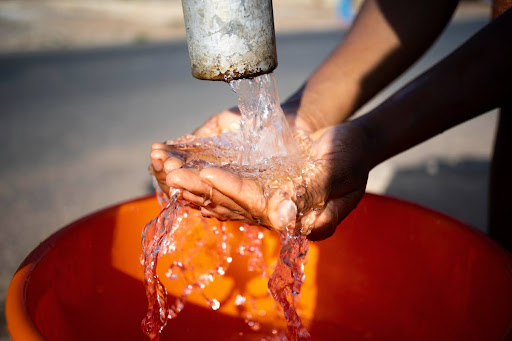
People all around struggle with their most urgent issue a lack of clean drinking water. Millions of people still depend on polluted water sources, which sets conditions for poverty, disease and continuous instability. The clean water charity hopes to fix this by giving rural areas consistent access to clean water via their well, filter, toilet, and educational system. Clean water project donations create better living conditions and strengthen community ties while generating substantial economic benefits for the community. Knowing why these attempts are so critical clarifies their big contribution to international aid projects.
Human effects of the worldwide water issue
With the most serious repercussions in poor countries and rural areas, the world’s water crisis stops every individual from getting access to it. Paths and chemical contaminants in contaminated water sources cause fatal diseases like typhoid, cholera, and dysentery through pathogens and parasites. Children are especially susceptible as diseases carried by water still claim their lives worldwide.
The absence of clean drinking water starts a constant cycle of suffering that goes beyond personal wellness. Humanitarian needs rise in the wake of crises as water shortages intensify throughout military conflicts and natural disasters. The clean water gifts that groups get let them react swiftly to crises and create permanent solutions that prevent future damage from happening.
Better Health Through Sure Access to Water
One of the most significant consequences of gifts of clean water is improved public health. Access to pure drinking water greatly slows down the spread of waterborne diseases, therefore lowering both individual and society’s medical costs. Clean water accessibility lessens the number of avoidable diseases in hospitals and clinics, therefore allowing for more efficient application of limited medical resources.
Good water quality also improves cleanliness and diet. Good food preparation made possible by safe water and appropriate handwashing is essential to prevent disease. For elderly people, newborns, and expectant mothers, especially, these health benefits are rather significant. By sponsoring clean water projects, donors save lives and advance general community well-being directly.
Encouraging Gender Equality and Education
Education and gender equality depend much on access to clean water. Children, especially girls, in many areas are in charge of gathering water for their families. This project can take a lot of hours daily, missed school days, or total disengagement from academics. Children are more likely to attend school regularly when sources of water are moved closer to communities. Girls and women also gain dignity and safety from access to pure water.
Girls are urged to keep studying throughout puberty; good water and restroom amenities at schools also inspire them. More employment prospects, higher literacy rates, and more female participation in local governance follow from more school attendance over time.
Economic Development and Communities’ Growing
Economic development depends on access to pure water very closely. Healthy people may work continuously, be more productive, and be less weighed down by medical expenses. Dependable water sources enable farmers to raise food security and improve crop yields.
Running securely and efficiently also calls for clean water for small companies like food vendors or artists. Many times, locally trained people operate and maintain water systems sponsored by donations. It fosters community ownership, builds technical skills, and creates jobs.
Long-term worldwide effects and sustainability
Contemporary clean water initiatives highlight sustainability more and more. Organisations invest in long-lasting infrastructure, local partnerships, and instruction on water conservation and sanitation rather than providing rapid relief. This approach ensures regions may retain water systems long after the initial endeavour is over.
By lowering excessive reliance on dangerous sources and encouraging smart water management, sustainable water access also helps to protect the environment. Universal access to pure water lessens migration brought on by resource shortage, fosters stability worldwide, and helps to achieve world development objectives.
Conclusion
Humanitarian efforts worldwide depend on access to clean water for their success. The organisation achieves its goals through five key activities that promote sustainable development, improve health, empower women, drive economic growth and increase public awareness. Addressing one of the most basic requirements of mankind, clean water initiatives produce long-term effects far beyond even individual communities. Not only is supporting clean water projects an investment in a more balanced, fair, and steady world.
