
I still remember the first time I heard the term fisher ladder, and honestly, it sounded more like a tool than something connected to rivers and wildl
I still remember the first time I heard the term fisher ladder, and honestly, it sounded more like a tool than something connected to rivers and wildlife. But the more I explored it, the more I realized it’s actually one of those quiet engineering solutions that play a massive role in nature. It’s not flashy; it’s not widely discussed, yet it directly affects how fish survive and migrate through waterways altered by human structures.
As I dug deeper, I started seeing how rivers are not just flowing water but lifelines for species that depend on movement. Fish like Salmon travel long distances, and barriers like dams can completely disrupt their natural journey. That’s where this simple yet clever system comes into play, helping fish navigate obstacles that would otherwise stop them completely.
What fascinated me most was how something so technical connects deeply with environmental balance. A fish ladder isn’t just about fish getting from point A to point B. It’s about restoring ecosystems, supporting biodiversity, and finding ways for human development and nature to coexist. And once I understood that, I realized this topic is much more important than it first appears.
What Is a Fisher Ladder and Why Is It Important
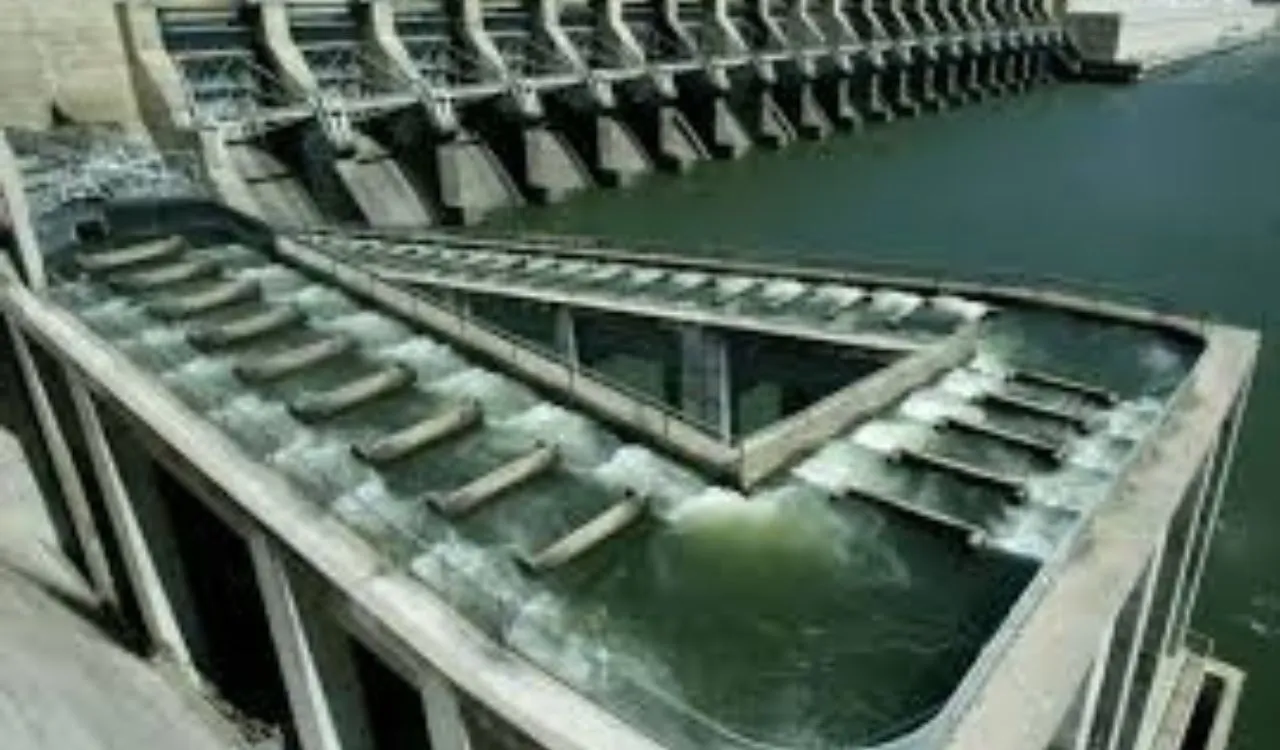
A fish ladder, often called a fishway or fish pass, is a structure built alongside barriers like dams to help fish move upstream. Without it, many species would struggle to reach their breeding grounds, disrupting their life cycle. It may look like a series of small pools or steps, but its purpose is far more significant than its appearance suggests.
The importance of a fish ladder lies in its ability to reconnect fragmented habitats. When rivers are blocked, fish cannot migrate freely, which affects not only their population but also the entire aquatic ecosystem. A functioning fishway restores that connection and allows natural processes to continue.
Think of it like a detour road for wildlife. Humans build roads when paths are blocked, and a fish ladder does the same for fish. It ensures survival, supports biodiversity, and helps maintain balance in environments that have been altered by human activity.
Why Fish Need a Way to Bypass Dams and Barriers
Fish migration is one of nature’s most incredible journeys. Species move long distances to spawn, feed, or escape changing conditions. This natural behavior, known as Fish Migration, is essential for their survival. However, human-made barriers like dams can interrupt this process entirely.
When fish encounter a dam, they often have no way to continue upstream. This leads to reduced reproduction rates and declining populations over time. It also affects predators, plants, and other organisms that depend on those fish for survival.
A fish ladder provides a solution by creating an alternative route. Instead of facing a dead end, fish can gradually move upward through a series of steps or pools. This not only helps individual species but also keeps the entire ecosystem functioning as it should.
How a Fisher Ladder Works Step by Step
Understanding how a fish ladder works is surprisingly simple once you break it down. The structure consists of a series of small pools arranged like steps. Water flows gently from one level to the next, allowing fish to swim or jump upward without facing a strong current.
Each step is designed to reduce the effort required for movement. Fish can rest in one pool before moving to the next, conserving energy along the way. This design mimics natural river conditions, making it easier for fish to adapt.
The flow of water is carefully controlled. Too strong, and the fish cannot progress. Too weak, and they may not be attracted to the passage. This balance is what makes the Fisher ladder effective. It’s not just about building a pathway; it’s about creating an environment that fish naturally want to follow.
Different Types of Fish Ladders You Should Know
Not all fisher ladders are built the same. Different environments and fish species require different designs. One common type is the pool and weir ladder, which uses a series of small waterfalls that fish can jump through step by step.
Another popular design is the vertical slot ladder. Instead of jumping, fish swim through vertical openings in barriers, making it suitable for a wider range of species. It offers more flexibility and works well in rivers with varying water levels.
Then there are more advanced systems like fish elevators and even fish cannons. Yes, fish cannons. They gently transport fish over barriers using tubes and controlled pressure. While it may sound unusual, these innovations show how far engineers are willing to go to support aquatic life. Each design serves the same purpose but adapts to different challenges.
Do Fisher Ladders Really Work? Effectiveness and Limitations
A common question people ask is whether fisher ladders actually work. The answer is yes, but with some limitations. Many fish species successfully use these structures to continue their migration, which is a huge win for conservation efforts.
However, not all fish respond the same way. Some species struggle to adapt to artificial pathways, especially if the design does not match their natural behavior. Water flow, temperature, and location also play a role in effectiveness.
Despite these challenges, fisher ladders remain one of the most practical solutions available. They may not be perfect, but they significantly improve survival rates compared to having no passage at all. Ongoing research and improved designs continue to enhance their efficiency, making them even more effective over time.
Environmental Benefits of Fisher Ladders
The environmental impact of fisher ladders goes far beyond helping fish. By restoring migration routes, they support entire ecosystems. Fish play a key role in nutrient distribution, carrying resources from one part of the river to another.
When fish populations recover, predators like birds and mammals also benefit. This creates a ripple effect that strengthens biodiversity across the ecosystem. Healthy rivers support more life, and fish ladders help make that possible.
There’s also a long-term benefit for humans. Strong ecosystems contribute to cleaner water, better fisheries, and more stable environments. It’s a reminder that small interventions can have big impacts. A well-designed fishway doesn’t just help fish; it helps everything connected to that river.
Real World Examples of Fisher Ladders in Action
Across the world, fisher ladders have proven their value in real-world scenarios. One well-known example involves rivers where salmon populations were declining due to large dams. After installing fish ladders, scientists observed a steady increase in returning fish over time.
There’s a story of a local fisherman who once thought the river near his town was losing its life. Fewer fish meant fewer catches and less activity. But after a fish ladder was introduced, the river slowly came back to life. Within a few seasons, fish numbers improved, and so did the community’s connection to the water.
These examples show that fisher ladders are not just theoretical solutions. They create real change, helping both wildlife and people who depend on healthy rivers for their livelihood.
Fisher Ladder vs Other Fish Passage Solutions
While fisher ladders are widely used, they are not the only solution available. Other methods include fish bypass channels, which create a natural-looking route around barriers. These are often more suitable for species that prefer natural environments.
Fish elevators are another option, lifting fish over dams in controlled systems. They are useful in areas where traditional ladders are not practical. Each method has its strengths and weaknesses, depending on the situation.
Compared to these alternatives, Fisher ladders strike a balance between efficiency and simplicity. They are cost-effective, relatively easy to maintain, and adaptable to different conditions. While no solution is perfect, fish ladders remain one of the most reliable tools for supporting fish migration in altered waterways.
Challenges and Future of Fisher Ladder Technology
Despite their benefits, fisher ladders face several challenges. Climate change is altering water levels and temperatures, which can affect how well these structures function. Changes in river flow may require constant adjustments to keep them effective.
Another challenge is designing ladders that work for multiple species. Not all fish behave the same way, and creating a universal solution is difficult. Engineers continue to experiment with new designs to address these issues.
Looking ahead, technology is playing a bigger role. Smart monitoring systems and improved materials are helping make fisher ladders more efficient. The goal is to create solutions that adapt to changing environments while supporting as many species as possible. The future of fish passage is evolving, and fish ladders are at the center of that progress.
Conclusions
Fisher ladders may not grab headlines, but their impact is undeniable. They represent a thoughtful approach to solving environmental challenges without undoing human progress. Instead of removing dams entirely, they offer a way to coexist with nature.
What makes them special is their simplicity. A series of steps, a controlled flow of water, and a clear purpose. Yet, behind that simplicity lies a powerful idea—restoring balance where it has been disrupted.
As rivers continue to face pressure from development, solutions like fisher ladders become even more important. They remind us that small, well-designed interventions can protect ecosystems and support life in ways we might not always see. And sometimes, that quiet impact is the most meaningful of all.
Freuently Ask Questions
What is a fisher ladde?r
A fish ladder is a structure that helps fish move past obstacles like dams by providing a series of steps or pools they can navigate.
How does a fish ladder work
It uses controlled water flow and stepped pools to allow fish to swim or jump upstream gradually without facing strong currents.
Why are fish ladders important?
They restore natural migration routes, helping fish survive and maintain healthy ecosystems.
Do fish ladders help all fish?
Not all species use them equally, but many benefit significantly depending on the design and conditions.
Where are fish ladders used
They are commonly found near dams and barriers in rivers where fish migration needs to be supported.
