
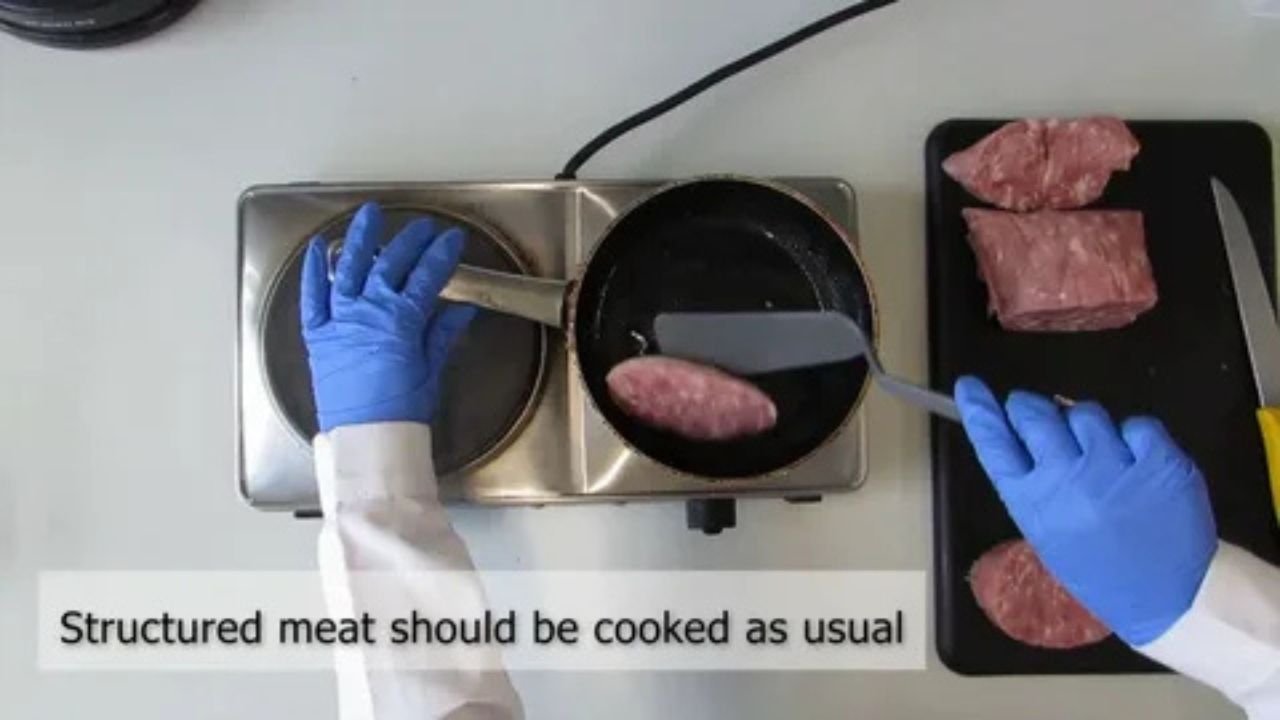
A meatball crumbles the moment it touches the pan. Breading slides off a chicken breast. A veggie burger looks perfect, then breaks apart after one bi
A meatball crumbles the moment it touches the pan. Breading slides off a chicken breast. A veggie burger looks perfect, then breaks apart after one bite. Annoying? Absolutely. In many cases, the missing piece is not more cooking time or another spoonful of seasoning. It is the right binder.
So, what is a binder in cooking? It is an ingredient that helps other ingredients stay together, allows a coating or seasoning to cling to food, or supports a thicker, more stable texture. Eggs, breadcrumbs, flour, starches, gelatin, and ground seeds can all act as binders, but they do not behave in the same way.
Choosing one is less about finding the “best” ingredient and more about understanding the job it needs to do.
What Does a Food Binder Actually Do?
A food binder creates connections between ingredients that would otherwise separate, crumble, or slide away. In a meatball, it helps the ground meat and seasonings form a cohesive mixture. In a crab cake, it supports delicate pieces without turning them into paste. In baking, it can give batters enough structure to hold their shape after heating.
The term is also used differently across kitchens. A barbecue cook may call mustard a binder because it helps the dry rub adhere to meat. A baker may mean eggs, gluten, or a plant-based replacement. A sauce maker may use “binding” more loosely for an ingredient that thickens or stabilizes a liquid.
Context matters. The binder’s real purpose might be structure, adhesion, moisture control, or stability.
How Binding Works: Protein, Starch, and Absorption
Binders work through a few basic food-science processes. Eggs contain proteins that set when heated, creating a network around nearby ingredients. Flour and cornstarch absorb liquid, while their starches swell during cooking and help a mixture become thicker and more cohesive. Breadcrumbs, oats, and cracker crumbs soak up moisture in foods such as meatloaf.
Some plant-based binders behave differently. Ground flaxseed and chia seeds form a gel when mixed with water. Psyllium husk absorbs plenty of liquid and adds elasticity, which is useful in some gluten-free recipes. Gelatin forms a network as it cools.
A binder can improve structure without making food dry, but balance is everything. Too little may cause crumbling; too much can create a dense, gummy, or rubbery result.
Common Types of Binders Found in the Kitchen
Most home cooks already own several useful binding agents. Eggs are versatile because they add moisture and set with heat. Breadcrumbs, crushed crackers, cooked rice, mashed potatoes, and oats work well in shaped savory foods. Wheat flour, cornstarch, potato starch, arrowroot, and tapioca starch are useful when liquid absorption or thickening is needed.
Specialized options include gelatin for chilled desserts and molded dishes, plus xanthan or guar gum for viscosity and structure in gluten-free cooking. Nut flours, seed meals, cheese, and thick purées may also bind particular recipes.
No ingredient performs every job equally well. Breadcrumbs may rescue a wet meatball mixture, but they cannot replace cornstarch in a glossy stir-fry sauce. Start with the recipe’s desired texture, then choose the binder.
Best Binders for Meatballs, Burgers, and Patties
For meatballs and meatloaf, egg and breadcrumbs are popular because the egg supports structure while the crumbs manage moisture. Soaking breadcrumbs in milk creates a panade, which can help meat remain tender instead of tight and bouncy. The mixture should hold when gently shaped, not feel like dough.
Burgers are different. A standard beef burger often needs no egg or breadcrumbs because ground meat can hold together when handled lightly and kept chilled. Adding an unnecessary binder may push the texture toward meatloaf. Bean burgers, fish cakes, lentil patties, and vegetable fritters usually need more support because their ingredients do not naturally link in the same way.
Eggs, mashed potatoes, oats, crumbs, flax gel, or chickpea flour can provide dependable structure in those recipes.
Binders in Baking: More Than Holding Batter Together
In baking, binders help create a crumb that can trap air, retain moisture, and survive slicing. Eggs are useful because their proteins set, their yolks add richness, and their liquid contributes hydration. Wheat flour also provides structure through starch and gluten development.
Egg-free baking requires more thought than choosing any sticky ingredient. Mashed banana and applesauce work in soft cakes, muffins, and quick breads, but they add moisture, sweetness, and flavor. A flax egg—ground flax mixed with water—can bind cookies, pancakes, and some muffins. Chia gel behaves similarly, though the seeds may remain visible.
Commercial egg replacers, aquafaba, psyllium, and starch blends solve different problems. The right substitute depends on whether the original egg was binding, lifting, enriching, or performing several jobs.
What Is a Binder for Seasoning and Barbecue?
In barbecue language, a binder is usually a thin, tacky layer applied before a dry rub. Mustard is the classic example, but cooks also use hot sauce, mayonnaise, oil, Worcestershire sauce, or another moist condiment. Its main purpose is adhesion: helping spices spread evenly and remain on the surface while the meat is moved to the smoker or grill.
A heavy coating is rarely necessary. Too much binder can create patchy seasoning, dilute the rub, or leave a pasty surface. A light film is enough.
Does it change the flavor? Sometimes, but less than people expect when a small amount is used. The choice should still suit the recipe. Mustard works naturally with pork, while oil may be more neutral for vegetables or delicate proteins.
Binders, Thickeners, and Emulsifiers Are Different
These terms overlap, but they are not perfect synonyms. A binder primarily helps components hold together. A thickener increases a liquid’s viscosity, as cornstarch does in gravy. An emulsifier helps fat and water remain mixed, as egg yolk does in mayonnaise. One ingredient can perform more than one role, which causes confusion.
Flour can bind a croquette mixture and thicken the sauce. Eggs can bind meatballs, emulsify dressing, and build cake structure. Xanthan gum can increase viscosity and reduce separation. The label changes according to the recipe and desired result.
This distinction makes substitutions more accurate. Replacing an egg in a patty is not the same as replacing it in mayonnaise. Both recipes contain egg, but it performs a different technical job in each.
Vegan, Gluten-Free, and Egg-Free Binder Alternatives
Dietary substitutions work best when they match the binder’s function. For vegan patties or meatballs, flax gel, chia gel, mashed beans, aquafaba, oats, chickpea flour, or mashed potato may work. In baking, fruit purées suit moist products, while commercial egg replacers and starch blends may give a more neutral result.
For gluten-free cooking, certified gluten-free oats, gluten-free crackers, rice flour, potato starch, tapioca starch, cornstarch, psyllium, and xanthan gum are common choices. Nut flour can add richness, but it behaves differently from wheat flour.
Allergies and labels require attention. Oats may need gluten-free certification, and nut-based binders are unsuitable for people with nut allergies. A replacement must fit both the recipe and the person eating it.
How to Choose the Right Binder and Avoid Mistakes
Start by asking what is going wrong. Is the mixture crumbling, overly wet, dry, slippery, or separating? Choose an ingredient that solves that problem without overwhelming the flavor. Add it gradually. Many binders continue absorbing moisture after mixing, so a short rest can reveal whether more is needed.
Temperature also matters. Chilling patties or croquettes before cooking often improves firmness. Gentle handling prevents meat mixtures from becoming tough, while adequate cooking allows egg and starch binders to set.
The most common mistake is adding too much too quickly. A large handful of flour may stop a mixture from sticking to the bowl, but it can produce a heavy final dish. When someone asks what a binder is in cooking, the practical answer is simple: support, not filler.
Frequently Asked Questions
Is egg always the best binder in cooking?
No. Egg is versatile, but the best choice depends on the recipe. Breadcrumbs may control moisture in meatloaf, cornstarch can thicken sauce, and flax gel can bind an egg-free patty. Flavor, texture, allergies, and cooking method all influence the decision.
What can I use as a binder without eggs?
Useful egg-free choices include ground flaxseed mixed with water, chia gel, mashed potato, oats, breadcrumbs, chickpea flour, aquafaba, applesauce, and commercial egg replacer. Choose according to the dish, since applesauce suits sweet baking far better than a savory burger.
Is flour considered a binder?
Yes. Flour can absorb moisture and help ingredients form a cohesive mixture. It can also thicken liquids. Too much flour may make patties, fillings, or baked goods dense; however, so add it in small amounts.
What binder helps seasoning stick to meat?
A thin layer of mustard, oil, mayonnaise, hot sauce, or Worcestershire sauce can help dry rub cling to meat. Use only enough to lightly coat the surface. It should support even seasoning rather than become a heavy layer.
How do I fix a mixture that still falls apart?
Let it rest so existing crumbs, flour, or starch can absorb moisture. If it still crumbles, add a small amount of binder and mix gently. Chilling the shaped mixture may also help. Test-cooking one piece is smarter than changing the entire batch blindly.
