
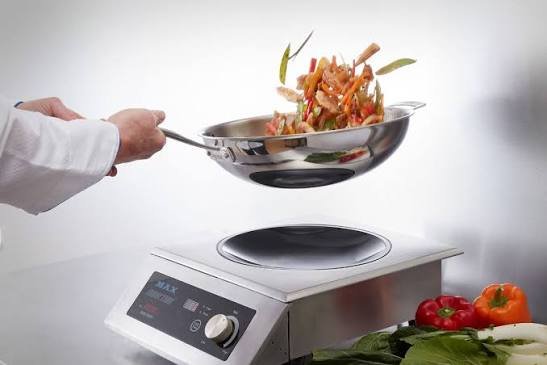
The first time someone switches from a gas stove to induction, one question almost always comes up: Can I still use my wok? It's a fair question.
The first time someone switches from a gas stove to induction, one question almost always comes up: Can I still use my wok?
It’s a fair question. Woks are designed for fast, high-heat cooking, while induction ranges work very differently from traditional gas burners. If you’ve ever tried balancing a round-bottom wok on a flat induction cooktop, you probably realized pretty quickly that it wasn’t going to work.
The good news? You don’t have to give up your favorite stir-fry recipes. Choosing the right induction range wok can make all the difference, allowing you to enjoy quick, flavorful meals while taking advantage of induction cooking’s speed and energy efficiency.
Whether you’re preparing vegetables, noodles, fried rice, or restaurant-style stir-fries, understanding how induction technology interacts with different wok designs will help you get the best results every time.
How Does an Induction Range Work?
Unlike gas or electric stoves that heat the cooking surface first, induction ranges generate heat directly inside compatible cookware through electromagnetic energy.
Here’s the simple version.
When an induction burner is switched on, it creates a magnetic field beneath the glass surface. If your cookware contains magnetic materials, that field produces heat directly in the pan instead of heating the burner itself.
That approach offers several advantages:
- Faster heating times.
- More precise temperature control.
- Better energy efficiency.
- Cooler cooking surfaces.
- Reduced heat loss.
However, there’s one important requirement: your cookware must be induction compatible.
If a wok doesn’t contain enough magnetic material, or if it has a rounded base that doesn’t make proper contact with the cooking surface, it won’t perform as expected.
That’s why choosing the correct wok matters just as much as choosing the right induction range.
Choosing the Right Induction Range Wok
Not every wok is suitable for induction cooking. In fact, many traditional woks were originally designed for powerful gas flames that surround the curved sides of the pan.
Induction cooktops need something different.
For most home kitchens, a flat-bottom wok is the best option because it sits securely on the cooking surface and maintains consistent contact with the induction element.
A round-bottom wok, on the other hand, generally requires a specialized concave induction burner designed specifically for that shape. These systems are more common in professional kitchens than in typical households.
When shopping for an induction-compatible wok, consider these factors:
- Flat, stable cooking base.
- Magnetic construction.
- Comfortable heat-resistant handles.
- Durable material.
- Appropriate size for your cooktop.
Taking a few extra minutes to compare these features can make everyday cooking much more enjoyable.
Which Wok Material Performs Best on Induction?
The material of your wok influences everything from heat distribution to maintenance and long-term durability.
Carbon Steel
Carbon steel is a favorite among experienced cooks because it heats quickly, responds rapidly to temperature changes, and develops a naturally non-stick cooking surface after proper seasoning.
It’s especially popular for achieving the intense heat needed for stir-frying.
Cast Iron
Cast iron retains heat exceptionally well, making it useful for searing and longer cooking sessions.
The downside?
It tends to be much heavier than carbon steel, making frequent tossing and flipping more difficult.
Stainless Steel
Some stainless steel woks include a magnetic base that makes them compatible with induction cooktops.
They’re generally easy to maintain but don’t always respond to temperature changes as quickly as carbon steel.
Each material offers unique strengths, so the best choice depends on your cooking style rather than a single “perfect” option.
Flat-Bottom vs. Round-Bottom Woks
This is one of the biggest decisions buyers face.
At first glance, the difference seems obvious, one has a flat base, the other doesn’t. But that small design change dramatically affects performance on induction.
Flat-Bottom Woks
These are specifically designed to sit securely on flat cooking surfaces.
Advantages include:
- Excellent stability.
- Direct contact with the induction element.
- Efficient heat transfer.
- Compatible with most induction ranges.
- Easy everyday use.
Round-Bottom Woks
Traditional round-bottom woks excel over open gas flames because the fire wraps around the curved surface, creating even heating along the sides.
On standard induction cooktops, however, much of that contact is lost.
Professional kitchens sometimes solve this with concave induction wok burners that match the wok’s curved shape, providing a cooking experience much closer to traditional wok stations.
For most homeowners, though, a quality flat-bottom induction-compatible wok remains the most practical and effective choice.
Benefits of Using an Induction Range Wok
Once you’ve cooked with the right wok on an induction cooktop, it’s easy to see why so many home cooks make the switch. The experience feels different from gas, but that doesn’t mean it’s worse. In many ways, it’s more efficient and easier to control.
One of the biggest advantages is speed. Induction technology transfers energy directly to the cookware, so your wok heats up quickly with very little wasted energy. That means less waiting and more cooking.
Other benefits include:
- Precise temperature adjustments for better cooking control.
- Faster boiling and preheating.
- Improved energy efficiency compared to many traditional electric stoves.
- A cooler kitchen since less heat escapes into the surrounding air.
- Easy-to-clean glass cooking surfaces.
For busy households, those small conveniences add up. Whether you’re making a quick vegetable stir-fry or preparing dinner after a long day, an induction-compatible wok can make cooking feel smoother and more enjoyable.
Common Mistakes When Cooking With a Wok on Induction
Even experienced cooks can struggle when using a wok on an induction range for the first time. The cooktop doesn’t cause most problems, they’re caused by using the wrong cookware or cooking techniques.
One common mistake is choosing a traditional round-bottom wok for a standard flat induction hob. Without proper contact, heat transfer becomes inefficient, leading to uneven cooking.
Another issue is overcrowding the wok. Stir-frying depends on high heat and quick movement. Filling the pan with too many ingredients lowers the temperature, causing food to steam instead of sear.
Other mistakes include:
- Not preheating the wok before adding oil.
- Using cookware that isn’t induction compatible.
- Cooking on very low heat when high heat is needed.
- Forgetting to season a carbon steel wok.
- Constantly stirring instead of allowing ingredients to develop color.
Making a few simple adjustments can noticeably improve both flavor and texture.
How to Season and Maintain Your Wok
If you choose a carbon steel wok, proper seasoning is one of the most important steps. It helps create a naturally non-stick surface while protecting the metal from rust.
Start by washing the new wok to remove any factory coating. Once it’s dry, heat it until the surface begins changing color slightly. Then apply a very thin layer of high-smoke-point oil and continue heating until the oil bonds with the metal.
Repeat the process a few times to build the seasoning.
For everyday care:
- Wash with warm water and a soft brush.
- Avoid harsh detergents whenever possible.
- Dry the wok immediately after cleaning.
- Apply a light coating of oil before storing.
- Store it in a dry place to prevent moisture buildup.
Over time, the surface develops a rich, dark patina. That’s a sign of a well-used wok, not something to scrub away.
What to Look for Before Buying an Induction Wok
Shopping for a wok can feel overwhelming because there are so many materials, sizes, and designs available. Instead of focusing only on appearance, pay attention to the features that affect cooking performance.
Here are a few key things to consider:
Flat Magnetic Base
This is essential for most standard induction cooktops. Without a magnetic, flat base, the wok may not heat properly.
Material
Carbon steel remains a favorite for traditional stir-frying, while cast iron offers excellent heat retention. Stainless steel is often easier to maintain but behaves differently during high-heat cooking.
Size
A 12- to 14-inch wok works well for many households, offering enough space for tossing ingredients without being too large for a typical induction burner.
Comfortable Handles
Look for sturdy, heat-resistant handles that provide a secure grip, especially if you enjoy tossing food while cooking.
Build Quality
A durable wok can last for many years with proper care, making it a worthwhile kitchen investment.
Choosing the right combination of these features will have a much greater impact than simply selecting the most expensive option.
Can You Still Achieve Wok Hei on an Induction Range?
If you’ve explored wok cooking, you’ve probably heard the term wok hei. Often described as the “breath of the wok,” it refers to the smoky, slightly charred flavor that comes from cooking ingredients quickly over intense heat.
Gas burners naturally send flames around the curved sides of a traditional wok, making it easier to develop this signature taste. A standard flat induction cooktop doesn’t recreate those flames, so achieving classic wok hei can be more challenging.
That doesn’t mean great stir-fries are out of reach.
You can improve your results by:
- Preheating the wok thoroughly.
- Cooking in small batches.
- Using high heat when appropriate.
- Keeping ingredients moving.
- Avoiding excess moisture in the pan.
Specialized concave induction wok burners, commonly found in professional kitchens, are designed to work with round-bottom woks and provide a cooking experience that more closely resembles traditional wok stations.
For most home cooks, however, a quality flat-bottom carbon steel wok paired with good technique delivers excellent everyday results.
Final Thoughts
Choosing the right induction range wok is about more than simply finding cookware that fits your cooktop. The shape, material, magnetic compatibility, and overall construction all influence how efficiently your meals cook and how enjoyable the experience becomes.
For most home kitchens, a flat-bottom carbon steel wok offers the best balance of performance, responsiveness, and compatibility with standard induction ranges. If you’re aiming for a more traditional cooking style, specialized concave induction wok burners can provide an experience closer to commercial kitchens, though they’re generally intended for professional or dedicated home setups.
Whichever option you choose, taking time to understand your cookware and refining your cooking technique will help you make the most of your induction range. With the right setup, you can prepare flavorful stir-fries, fried rice, noodles, and countless other dishes with speed, consistency, and confidence.
Frequently Asked Questions
1. Can I use a traditional round-bottom wok on an induction range?
A traditional round-bottom wok usually doesn’t work well on a standard flat induction cooktop because it lacks sufficient contact with the heating surface. It performs best with a dedicated concave induction wok burner designed for that shape.
2. What is the best material for an induction wok?
Carbon steel is widely preferred for stir-frying because it heats quickly, responds well to temperature changes, and develops a naturally non-stick surface when properly seasoned. Cast iron and some magnetic stainless steel woks are also suitable options, depending on your cooking style.
3. How can I tell if a wok is induction compatible?
Look for a magnetic base or an indication from the manufacturer that the wok is suitable for induction cooking. A simple magnet test can also help, if a magnet sticks firmly to the base, the wok is generally compatible with induction cooktops.
4. Do I need to season every induction wok?
Not all of them. Carbon steel and cast iron woks benefit from seasoning, while most stainless steel and non-stick models do not require this process. Always follow the manufacturer’s care instructions for your specific cookware.
5. Is induction cooking good for stir-frying?
Yes. Induction cooking offers fast heating, precise temperature control, and excellent energy efficiency. While it may not produce the same flame contact as a traditional gas burner, using the right wok and proper stir-frying techniques can still deliver flavorful, well-cooked results.
