
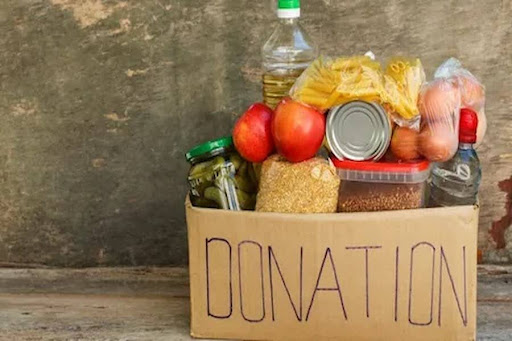
Ramadan promotes empathy, patience, and concern for others. Islam also acknowledges human limits, even while fasting is paramount in this holy month.
Ramadan promotes empathy, patience, and concern for others. Islam also acknowledges human limits, even while fasting is paramount in this holy month. Certain individuals are unable to fast due to age or chronic illness. That’s Fidya’s entrance. Through charity, fidya enables people to remain tied to Ramadan.
Donate Fidya transforms your limitation into help for someone in need. You assist a needy family to get nourishment on their table. Beyond yourself, Ramadan’s gifts are shared.
This kind of giving is straightforward, significant, and very satisfying. It empowers the underprivileged and supports communities. Knowing how to donate fidya properly guarantees your gift gets to the appropriate people and meets its intended use. This guide shows you how to give Fidya intelligently so that your Ramadan effect counts.
Who Needs to Pay Fidya?
Not every missed fast call for Fidya. Islam is pragmatic and sympathetic; it only asks people who really cannot fast either now or later. Fidya is meant to ease suffering, not to exacerbate it. If you fall into one of the following categories, you must donate Fidya:
The Elderly
Their bodies may not be able to endure extended days without food or drink as they get older. Fasting becomes dangerous because of lethargy, dizziness, or deteriorating health. Islam lets an elderly person bypass fasting and instead pay Fidya if they believe fasting will hurt them. This guarantees their participation in the spirit of Ramadan without endangering their health.
The Chronically Ill:
This group comprises those with persistent or incurable ailments. Conditions such as severe diabetes, kidney disease, heart issues, or any disease needing daily medication can make fasting risky. Islam does not want you to fast if fasting aggravates your illness or slows your recovery. Your substitute way of prayer is paying Fidya.
Permanent Medical Recommendations
Fidya becomes required if a dependable doctor says fasting would cause permanent or significant injury. This covers circumstances where rehabilitation is improbable or fasting could cause permanent damage. Islam never urges someone to unduly give up their health and life; it values both.
It’s crucial to realise Fidya does not pertain to temporary events. You do not pay Fidya if you are travelling, pregnant, nursing, or sick from a temporary condition like the flu. You create the missed quicks later instead. This is called Qada. Only those who cannot fast at all, including in the future, should receive fidya.
FIDYA vs Kaffarah: What separates them?
Although Fidya and Kaffarah have somewhat distinct goals, many people mix them up.
Fidya is a kind of compassion. It applies when a person has a genuine, inescapable cause not to fast. You just provide one poor individual for every quick you forgo. It shows how Islam stresses charity and social obligation.
Kaffarah is a severe punishment. When someone intentionally ends a fast without any good cause, it applies. The pay is far greater. One must either feed 60 needy persons for one interrupted fast or fast daily for 60 days.
Knowing what Fidya in Islam is clarifies its real aim. It is not a penalty. It is a soft answer for those who really want to fast but physically cannot.
Calculate the Correct Amount
Once Fidya applies to you, the following phase is calculation. Fidya represents the price of feeding one destitute person for one day. This is normally one hefty supper or two small ones. The amount might vary by country and cost of living. Many academics advise using local food prices. Some Islamic organisations release revised Fidya values every Ramadan. Should you not be certain, you can follow those. Multiply the number of missed fasts by the daily total. Simplify the calculation. Intent counts more than difficulty in Islam.
Prioritise Needy Families
Fidya hits hardest when it hits the correct people. Islam exhorts one to help those most in want. During Ramadan, impoverished households usually battle the most. Food prices surge. Income may be erratic. Your Fidya may lighten their load every day. Widows, orphans, refugees, and disabled people frequently fulfil requirements. Priorities should be given to households without a reliable income. Local giving should be done if at all possible. Local assistance helps create more powerful communities. It also guarantees your Fidya finds someone fasting alongside you in spirit.
Donate During Ramadan
It is crucial to time events. Donate Fidya during Ramadan is ideal. It boosts the feeling of shared worship and multiplies benefits. For their daily meals, many families depend on Ramadan donations. Early gifts let them arrange better. You may contribute daily or in a single sum. Both fit. Some people like giving every day to feel connected. Some people give once for convenience. Pick what helps your attention stay strong. What counts most is sincerity, not the arrangement.
