
We all know how worrying it can be if we get a bad toothache in the middle of the night. It can be difficult to find an emergency dentist Manchester o
We all know how worrying it can be if we get a bad toothache in the middle of the night. It can be difficult to find an emergency dentist Manchester or elsewhere in the UK on short notice. That’s why it’s important to take care of your teeth every day – a bit of work today can save you from lots of pain tomorrow. If you go to the dentist often or just when something’s wrong, these seven tips will help improve your oral health today.
1. Brush the Right Way
While many people brush twice a day, they don’t do it correctly. Choose a soft toothbrush and tilt the bristles towards your gum line. Make small, gentle circles, rather than brushing back and forth. Brush for at least two minutes, twice a day. This is because if you don’t take the time to brush, you leave plaque on your teeth, which turns into cavities. And don’t forget to clean your tongue, it’s the home of many bad-breathe-causing bacteria.
2. Brush Between Your Teeth
Toothbrushing only reaches 60% of tooth surfaces. Many bacteria are found between your teeth, and your brush can’t get to them. When you floss once a day you can clean between teeth and along the gum. If you find flossing uncomfortable, use floss picks or a water flosser – they are effective and easy to use. Even if it only takes you a minute to floss each night, it matters to your gum health in the long term.
3. Be Careful What You Sip
Soft drinks are a major cause of tooth decay in the UK. Soft drinks, fruit juices and energy drinks are all highly acidic and erode your enamel each time you take a sip. It’s best to drink water or milk during the day. But if you have a sugary drink, try to finish it quickly and never brush immediately afterwards, as the acid will have weakened your enamel. It’s best to wait 30 minutes to brush.
4. Use Fluoride Toothpaste
This one may seem like a no-brainer but many of us use “natural” or “whitening” toothpastes without even realising they don’t contain fluoride. Fluoride is essential for healthy teeth and prevents tooth decay. The National Health Service recommends at least 1,350 parts per million (ppm) of fluoride for adult toothpastes. It’s better to spit and not rinse after brushing to leave a little bit of toothpaste on teeth, so the fluoride can keep on working. It’s a small adjustment but makes a difference in the long run.
5. Regular Dental Check-ups
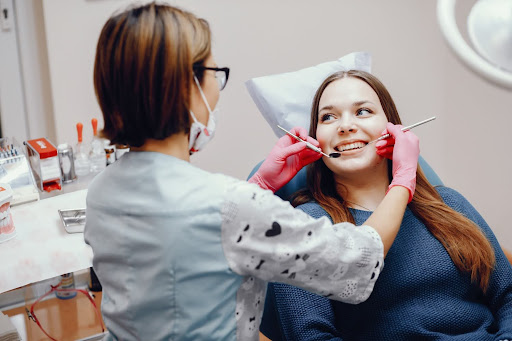
Don’t wait until you have a problem. Regular visits (typically every six to 12 months) can help your dentist spot problems early. A lot of people in the UK avoid visits because of the costs or fear, but treatment is nearly always less expensive and less painful when it’s early. If you’re anxious about visiting the dentist, be sure to tell the practice when making an appointment – they’re usually very supportive and can help put you at ease.
6. Quit Smoking
Smoking is bad for your teeth. It discolours your teeth, gives you bad breath and raises your chances of developing gum disease and oral cancer. And smoking can cause you to lose teeth at a younger age. If you’re ready to quit, your GP or local pharmacy will be able to help you out with the NHS Stop Smoking service, which has aided thousands of UK smokers to change their lives.
7. Recognise the Symptoms of Gum Disease
Gum disease is very common in this country, but often goes undiagnosed until it’s serious. Keep an eye out for your gums bleeding when brushing or flossing, swollen or red gums, chronic bad breath and loose teeth. If you’re sensitive to hot and cold foods and beverages, that’s also a tell-tale sign. If you think you may have any of these, make an appointment to see your dentist. When detected early, gum disease can be easily treated, but if you ignore it, you can end up with some serious oral health problems, including tooth loss.
Conclusion
Oral health may be simple, but it’s not always easy. Use a good technique when brushing, floss every day, avoid sugar and see your dentist regularly. Consistency and good oral habits add up. What you eat and drink, how you live and the habits you have can affect the health of your teeth and gums as you get older. Look after your mouth now, watch out for changes and seek help if you think something is wrong. Take care of your smile – today.
