
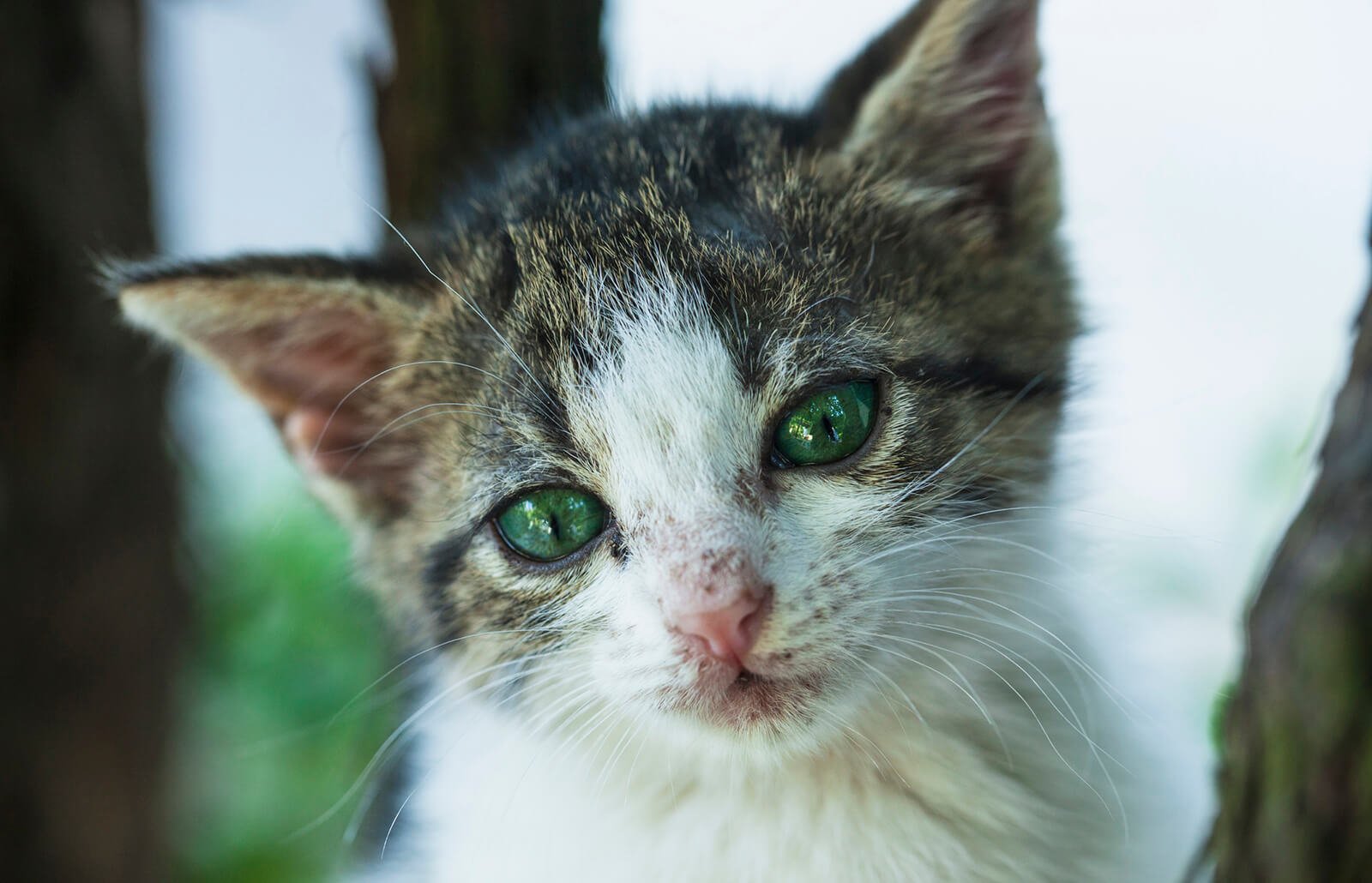
You wake up one morning and notice your cat isn't acting like their usual curious self. They're sneezing every few minutes, their eyes look watery, a
You wake up one morning and notice your cat isn’t acting like their usual curious self. They’re sneezing every few minutes, their eyes look watery, and instead of running to the food bowl, they’re curled up in a quiet corner. If you’ve found yourself searching for the best cure for cat cold, you’re certainly not alone.
The good news is that many cat colds—more accurately called upper respiratory infections are mild and often improve within one to two weeks with supportive care. Much like the common cold in humans, rest, hydration, and a stress-free environment can make a big difference. However, not every cold is harmless. Some cats, especially kittens, senior cats, or those with weakened immune systems, may require prompt veterinary treatment.
In this guide, you’ll learn what causes cat colds, how to recognize the symptoms, what you can safely do at home, and when it’s time to call your veterinarian.
What Is a Cat Cold?
Although we often call it a “cat cold,” veterinarians usually refer to the condition as an upper respiratory infection (URI). It affects the nose, throat, sinuses, and sometimes the eyes, causing symptoms that look surprisingly similar to a human cold.
Unlike human colds, however, cat colds are most commonly caused by viruses such as feline herpesvirus (FHV-1) and feline calicivirus (FCV). In some cases, bacteria may also contribute to the infection, especially if the immune system is already under stress.
Cats typically catch these infections through close contact with infected cats, shared food bowls, litter boxes, bedding, or contaminated surfaces. Shelters, boarding facilities, and multi-cat households are common places where respiratory infections spread quickly.
The encouraging news is that healthy adult cats often recover with supportive care, but monitoring symptoms closely is essential because complications can develop if the infection worsens.
Common Symptoms of a Cat Cold
Recognizing the signs early gives your cat the best chance of a smooth recovery.
Most cats with an upper respiratory infection display symptoms similar to those seen in people with a cold. Sneezing is usually one of the first signs owners notice, followed by watery eyes and a runny nose.
Other common symptoms include:
- Frequent sneezing
- Nasal congestion
- Clear or thick nasal discharge
- Watery or crusty eyes
- Mild coughing
- Reduced appetite
- Low energy or increased sleeping
- Mild fever
- Difficulty smelling food because of congestion
One symptom that often surprises owners is a loss of appetite. Cats rely heavily on their sense of smell when deciding to eat. If their nose is blocked, even their favorite meal may suddenly seem unappealing.
Pay close attention if your cat refuses food for more than 24 hours, as prolonged fasting can become dangerous, especially in overweight cats.
What Is the Best Cure for Cat Cold?
Many owners hope for a single medication that makes a cat cold disappear overnight. Unfortunately, there isn’t one universal cure for cat cold because treatment depends on the underlying cause.
If the infection is viral—which is the case for most cat colds—the body’s immune system usually clears the illness with time and supportive care. Antibiotics do not treat viral infections, although a veterinarian may prescribe them if a secondary bacterial infection develops.
For uncomplicated cases, the focus is on helping your cat stay comfortable while their immune system does its job. This includes:
- Plenty of rest
- Fresh water at all times
- Nutritious food
- Keeping the nose and eyes clean
- Reducing stress
- Monitoring symptoms closely
If symptoms become severe or persist beyond a week without improvement, professional veterinary care is important. Some cats require prescription medications, fluids, or additional treatment depending on the cause of the illness.
Home Remedies That Can Help Your Cat Feel Better
While home remedies won’t eliminate the virus itself, they can significantly improve your cat’s comfort and encourage a faster recovery.
Create a Warm, Quiet Resting Space
Just like people, sick cats benefit from uninterrupted rest. Set up a cozy bed in a warm, quiet room away from loud noises, children, and other pets. Reducing stress supports the immune system and helps conserve energy for healing.
Gently Clean the Eyes and Nose
As discharge dries, it can become uncomfortable and make breathing more difficult. Use a soft cloth or cotton pad dampened with warm water to gently wipe away crusts around the eyes and nose. Always use a clean section of the cloth for each eye to reduce the chance of spreading infection.
Encourage Eating
Congestion can dull a cat’s sense of smell, making food less appealing. Warming wet food slightly enhances its aroma and often encourages reluctant cats to eat. Strong-smelling foods approved by your veterinarian may also help stimulate appetite.
Keep Your Cat Hydrated
Fresh water should always be available. Some cats drink more readily from water fountains, while others appreciate additional moisture from wet food. Proper hydration helps loosen mucus and supports overall recovery.
Should You Use Human Cold Medicine?
This is one mistake every cat owner should avoid.
Many medications that are perfectly safe for people can be extremely dangerous—or even fatal—for cats. Common ingredients found in over-the-counter cold and flu medicines, pain relievers, and decongestants should never be given unless specifically prescribed by a veterinarian.
Examples of medications that can pose serious risks include:
- Decongestants
- Acetaminophen (paracetamol)
- Ibuprofen
- Aspirin (unless directed by a veterinarian)
- Combination cold medicines
Even herbal supplements or essential oils marketed as “natural” can be harmful to cats.
If your pet seems uncomfortable, don’t guess. Contact your veterinarian before giving any medication. Using the wrong treatment may delay recovery and create a far more serious medical emergency than the cold itself.
When Should You Take Your Cat to the Vet?
Most mild upper respiratory infections improve with supportive care, but it’s important to know when a cold has gone beyond something you should manage at home.
Contact your veterinarian if your cat:
- Stops eating for more than 24 hours
- Has trouble breathing or breathes with an open mouth
- Develops thick yellow, green, or bloody discharge from the nose or eyes
- Has a high fever or seems unusually lethargic
- Is dehydrated or refuses to drink water
- Continues to worsen after several days
- Shows symptoms that last longer than two weeks
Young kittens, senior cats, pregnant cats, and cats with weakened immune systems should be examined sooner because they have a higher risk of complications. A veterinarian may recommend diagnostic tests, prescribe medications for secondary bacterial infections, or provide supportive treatments such as fluids or appetite stimulants when needed.
When in doubt, it’s always safer to seek professional advice than to wait until your cat becomes seriously ill.
How Long Does a Cat Cold Last?
One of the first questions pet owners ask is, “How long will my cat be sick?”
For most healthy adult cats, a mild upper respiratory infection improves within one to two weeks. Sneezing and watery eyes often begin to ease after several days, although some cats may continue to have occasional mild symptoms for a short time.
Recovery depends on several factors, including:
- Your cat’s age
- Overall health
- The virus or bacteria involved
- Stress levels
- Nutrition and hydration
- Whether complications develop
Cats infected with feline herpesvirus may appear fully recovered but can carry the virus for life. During periods of stress, illness, or other changes, symptoms may temporarily return. These flare-ups are often milder than the initial infection but should still be monitored.
Patience is important. Just because your cat isn’t back to normal after a few days doesn’t necessarily mean something is wrong. Consistent supportive care often makes the biggest difference.
Can Cat Colds Spread to Other Cats?
Yes. Most upper respiratory infections are highly contagious between cats.
Viruses and bacteria spread through direct contact with an infected cat, shared food and water bowls, litter boxes, bedding, toys, and even your hands or clothing after handling a sick pet.
If you have more than one cat at home, consider these precautions:
- Keep the sick cat in a separate room whenever possible.
- Wash your hands before handling your other pets.
- Clean food bowls, litter boxes, and bedding regularly.
- Avoid sharing grooming tools or toys until your cat has recovered.
- Disinfect commonly touched surfaces.
The good news is that the viruses responsible for cat colds are species-specific. Your cat cannot give you a cold, and you cannot pass your common cold virus to your cat.
How to Help Prevent Future Cat Colds
While you can’t eliminate every risk, you can significantly reduce the chances of future respiratory infections.
Keeping your cat’s vaccinations current is one of the most effective preventive measures. Core vaccines help protect against some of the most common viruses associated with upper respiratory infections.
Other helpful habits include:
- Providing a balanced, nutritious diet
- Keeping fresh water available every day
- Reducing stress during major life changes
- Cleaning litter boxes and food bowls regularly
- Avoiding overcrowded environments when possible
- Isolating new or sick cats before introducing them to others
- Scheduling regular veterinary checkups
Indoor cats generally have fewer opportunities to encounter infectious diseases, although they can still become ill if exposed through new pets or contaminated objects.
A healthy lifestyle supports a stronger immune system, making it easier for your cat to fight off infections.
Common Mistakes Cat Owners Should Avoid
When your cat isn’t feeling well, it’s natural to want to help as quickly as possible. Unfortunately, a few common mistakes can actually slow recovery.
One of the biggest mistakes is giving human medication without veterinary guidance. Many over-the-counter medicines that seem harmless can be toxic to cats.
Another mistake is assuming a cat that stops eating is simply “being picky.” Appetite loss is common during a cold because congestion reduces the sense of smell, but prolonged refusal to eat can become a serious medical concern.
Some owners also wait too long before seeking veterinary care, hoping symptoms will disappear on their own. Mild infections often improve, but worsening symptoms deserve prompt attention.
Finally, avoid forcing food or water into your cat’s mouth unless specifically instructed by a veterinarian. Gentle encouragement is far safer than creating additional stress.
Conclusion
Finding the right cure for cat cold starts with understanding what your cat is experiencing. Most upper respiratory infections are mild and improve within one to two weeks when cats receive plenty of rest, stay hydrated, eat nutritious food, and recover in a warm, quiet environment. Simple supportive care—such as gently cleaning nasal and eye discharge and warming wet food to encourage eating—can make your cat much more comfortable during recovery.
At the same time, it’s important to recognize when home care isn’t enough. Difficulty breathing, refusal to eat, dehydration, worsening symptoms, or illness in kittens and senior cats all warrant prompt veterinary attention.
With patience, close observation, and appropriate care, most cats recover well and return to their playful, curious selves before long.
Frequently Asked Questions
1. What is the fastest way to help a cat recover from a cold?
The best approach is supportive care. Give your cat a warm, quiet place to rest, provide plenty of fresh water, gently clean discharge from the eyes and nose, and warm wet food slightly to encourage eating. If symptoms worsen or don’t improve, contact your veterinarian.
2. Can a cat cold go away without medication?
Yes. Many mild viral upper respiratory infections resolve on their own within one to two weeks. However, some cats develop secondary bacterial infections or complications that require veterinary treatment.
3. Is a cat cold contagious?
Yes. Cat colds spread easily between cats through close contact, shared bowls, litter boxes, bedding, toys, and contaminated surfaces. They are not contagious to humans.
4. What foods should I give a cat with a cold?
Warm, aromatic wet food is often easier for congested cats to smell and eat. Make sure your cat stays hydrated and continues eating regularly. If they refuse food for more than 24 hours, contact your veterinarian.
5. Can indoor cats catch colds?
Absolutely. Although indoor cats have lower exposure to infectious diseases, they can still catch upper respiratory infections from newly adopted cats, boarding facilities, veterinary visits, or contaminated objects brought into the home.
