
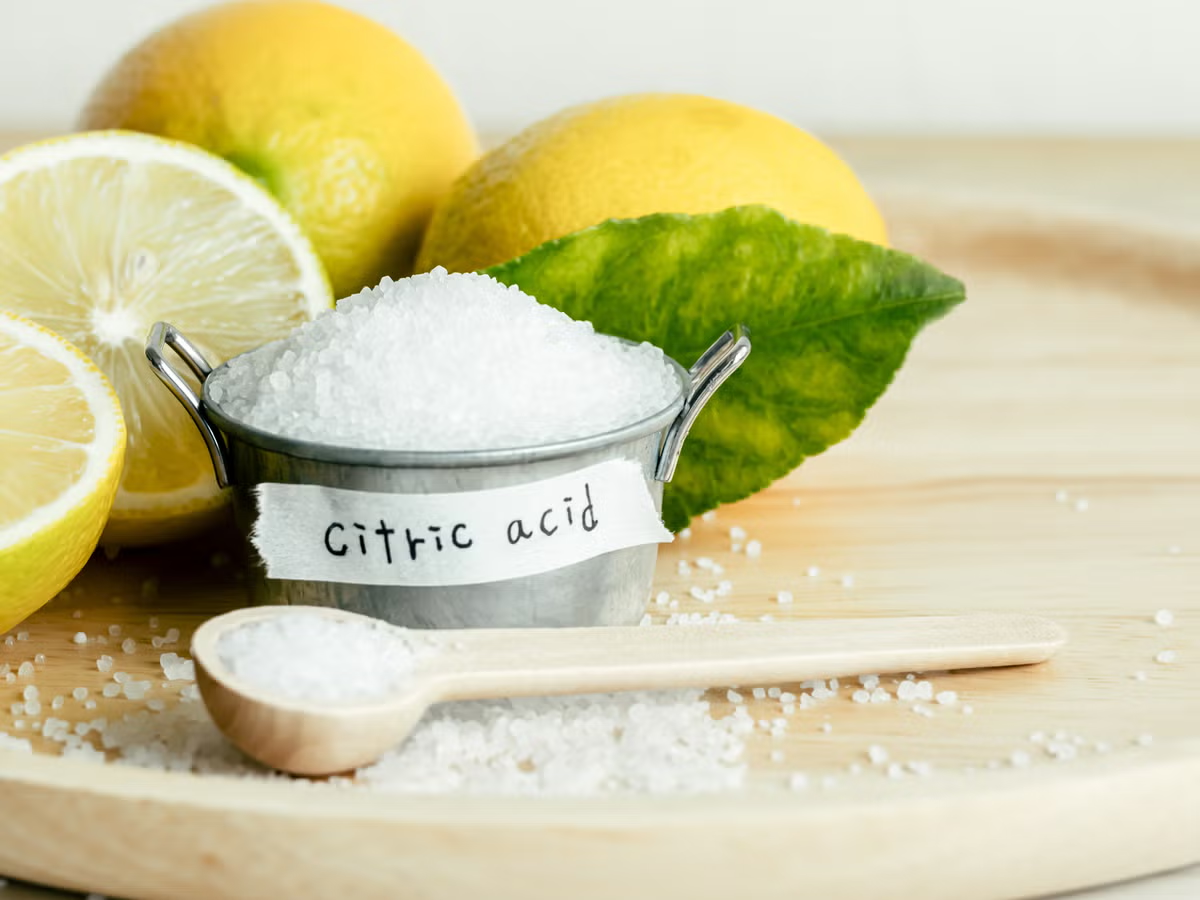
Have you ever scrubbed a faucet for what felt like forever, only to find those stubborn white mineral stains still staring back at you? Or maybe your
Have you ever scrubbed a faucet for what felt like forever, only to find those stubborn white mineral stains still staring back at you? Or maybe your coffee maker has slowed down because of hidden limescale buildup. It happens more often than most people realize, especially in areas with hard water.
That’s where a citric acid wash can make a noticeable difference.
Derived naturally from citrus fruits and commonly produced through fermentation, citric acid is a gentle yet powerful cleaning ingredient. It breaks down mineral deposits, removes soap scum, neutralizes unpleasant odors, and helps restore shine to many household surfaces, all without relying on harsh chemicals.
Whether you’re cleaning a washing machine, kettle, dishwasher, showerhead, or bathroom fixtures, understanding how to use citric acid correctly can save time, reduce cleaning effort, and extend the life of your appliances.
Let’s explore why this natural cleaner has become a favorite for homeowners looking for effective, eco-conscious cleaning solutions.
What Is a Citric Acid Wash?
A citric acid wash is a cleaning solution made by dissolving food-grade citric acid powder in warm water. Despite its simple ingredients, the solution is remarkably effective at removing limescale, calcium deposits, rust stains, soap residue, and hard water buildup.
Citric acid is classified as a weak organic acid, but don’t let the word “weak” fool you. When it comes to dissolving mineral deposits, it performs exceptionally well.
A common household cleaning mixture is:
- 1–2 tablespoons of food-grade citric acid
- 1 cup of warm water
The warm water helps the crystals dissolve completely, creating a clear solution that’s ready for cleaning.
Unlike bleach or ammonia-based cleaners, citric acid doesn’t produce overpowering fumes. Instead, it offers a milder cleaning experience while remaining highly effective on many common household surfaces.
However, it’s important to remember that not every material responds well to acidic cleaners, which is why knowing where, and where not, to use it is essential.
Why Citric Acid Works So Well
Hard water leaves behind calcium and magnesium deposits that ordinary soap often struggles to remove. Over time, these minerals accumulate inside appliances, pipes, showerheads, kettles, faucets, and washing machines.
Citric acid works through a natural chemical process that helps dissolve these mineral deposits, making them much easier to rinse away.
Besides tackling limescale, a citric acid wash also helps:
- Remove soap scum
- Eliminate hard water stains
- Neutralize unpleasant odors
- Break down mineral buildup
- Improve appliance efficiency
- Restore shine to stainless steel and chrome surfaces
Many homeowners appreciate that citric acid cleans without leaving behind strong chemical smells. Once rinsed away, surfaces often feel cleaner and look brighter with very little effort.
It’s a practical solution for routine maintenance rather than waiting until heavy buildup becomes difficult to remove.
How to Make a Citric Acid Wash at Home
One reason citric acid has become so popular is its simplicity. You don’t need a long list of ingredients or expensive specialty cleaners.
To prepare a basic solution:
Ingredients
- 1–2 tablespoons food-grade citric acid powder
- 1 cup warm water
- Spray bottle or mixing container
- Soft microfiber cloth or sponge
Instructions
- Pour warm water into a clean container.
- Add the citric acid powder.
- Stir until the crystals dissolve completely.
- Transfer the solution into a spray bottle if desired.
- Apply to the affected surface.
- Allow it to sit for several minutes before wiping clean.
- Rinse thoroughly with fresh water.
For heavier mineral deposits, a slightly stronger solution may be appropriate. However, always test a small, hidden area first, especially when cleaning unfamiliar surfaces.
Freshly mixed solutions generally perform best, so it’s a good habit to prepare only what you’ll use within a reasonable period.
Best Household Uses for a Citric Acid Wash
One bottle of citric acid solution can tackle a surprising number of cleaning jobs around the home.
Some of the most common uses include:
Descaling Small Appliances
Coffee makers, kettles, espresso machines, humidifiers, and electric water boilers gradually collect mineral deposits. Running an appropriate citric acid solution through these appliances helps dissolve internal limescale and improve performance.
Cleaning Bathroom Fixtures
Chrome faucets, showerheads, sink fixtures, and glass shower doors often develop stubborn white stains caused by hard water. A citric acid wash helps loosen these deposits, making cleanup much easier.
Refreshing Washing Machines
Over time, detergent residue, mineral buildup, and trapped odors can develop inside washing machines. Running an empty hot cycle with citric acid helps remove deposits while reducing unpleasant smells.
Removing Soap Scum
Soap residue on shower walls, tubs, sinks, and bathroom tiles responds well to citric acid, especially when combined with gentle scrubbing using a non-abrasive sponge.
These everyday applications make citric acid one of the most versatile natural cleaners available for routine household maintenance.
Surfaces You Should Never Clean with Citric Acid
Although citric acid is considered gentle compared to many commercial cleaners, it isn’t suitable for every material.
Avoid using a citric acid wash on:
- Natural marble
- Granite without proper sealing
- Limestone
- Travertine
- Slate
- Concrete surfaces
- Aluminum cookware
- Unfinished natural stone
Acid reacts with calcium-rich stone and certain metals, potentially causing dull spots, discoloration, or surface damage.
If you’re uncertain whether a surface is acid-safe, consult the manufacturer’s care instructions or test the solution on a small, inconspicuous area before cleaning the entire surface.
Using the right cleaner for the right material is just as important as the cleaner itself.
Using a Citric Acid Wash for Laundry and Odor Removal
If your laundry still smells less than fresh after washing, hard water could be part of the problem. Minerals in hard water can trap detergent residue in fabrics, leaving clothes feeling stiff or carrying lingering odors.
A citric acid wash can help break down those mineral deposits, allowing detergent to rinse away more effectively. Many people also use it to freshen towels, workout clothes, and washable household linens that have lost their softness over time.
For washing machines, running an empty hot-water cycle with the recommended amount of food-grade citric acid can help remove detergent buildup, dissolve scale inside the drum, and reduce musty smells. Once the cycle finishes, wipe the rubber seals and leave the door open for a while so the interior can dry completely.
Using citric acid occasionally as part of routine maintenance can help keep both your machine and your laundry in better condition.
Safety Tips for Cleaning with Citric Acid
Although citric acid is considered a safer alternative to many harsh chemical cleaners, it’s still an acid and should be handled with care.
When preparing your cleaning solution, avoid breathing in the fine powder and keep it away from your eyes. If you have sensitive skin, wearing household cleaning gloves is a good idea, especially during longer cleaning sessions.
It’s also important not to mix citric acid with other cleaning products, particularly bleach or strong chemical cleaners. Mixing products can reduce cleaning effectiveness and may create unnecessary safety risks.
Store unused citric acid powder in a sealed container in a cool, dry place, away from moisture. Clearly label any prepared cleaning solution and keep it out of reach of children and pets.
Simple precautions like these allow you to enjoy the cleaning benefits of citric acid while minimizing potential risks.
The Environmental Benefits of Citric Acid
One reason citric acid has become increasingly popular is its environmentally friendly profile.
Unlike many conventional cleaners that contain synthetic fragrances or harsh chemicals, food-grade citric acid is biodegradable and breaks down naturally after use. It offers an effective way to tackle mineral deposits without relying on unnecessarily aggressive ingredients.
Because it works so well against limescale and soap scum, you may also find yourself using fewer specialty cleaning products around the home. That can mean fewer plastic bottles, less chemical waste, and a simpler cleaning routine overall.
While no cleaner is perfect for every task, citric acid is an excellent option for homeowners who want a balance between effective performance and responsible household cleaning.
Common Mistakes to Avoid
Citric acid is easy to use, but a few common mistakes can reduce its effectiveness, or even damage certain surfaces.
Here are some of the biggest ones to avoid:
- Using it on marble, limestone, travertine, or other natural stone.
- Cleaning aluminum cookware or fixtures without checking manufacturer recommendations.
- Mixing stronger solutions than necessary.
- Leaving the solution on delicate surfaces for too long.
- Forgetting to rinse cleaned surfaces with fresh water.
- Using abrasive scrubbers that may scratch finishes.
- Skipping a spot test on unfamiliar materials.
Another mistake is assuming citric acid is a disinfectant. While it’s excellent at removing mineral buildup and residue, it isn’t a replacement for cleaners specifically designed to sanitize surfaces when disinfection is required.
Using citric acid for the right jobs is the best way to get reliable results.
Tips for Getting the Best Results
Small adjustments in your cleaning routine can make a noticeable difference.
Whenever possible, apply the solution to a cool surface rather than one that’s hot from direct sunlight or recent use. Giving the solution a few minutes to work before wiping usually produces better results than scrubbing immediately.
For stubborn limescale, repeat the treatment instead of increasing the concentration dramatically. Multiple gentle applications are often safer and more effective than one overly strong mixture.
Keeping a small container of food-grade citric acid on hand also makes routine maintenance easier. Regular descaling of kettles, coffee makers, showerheads, and washing machines prevents heavy buildup from developing in the first place.
Consistency is often more effective than waiting until cleaning becomes a major project.
Final Thoughts on Citric Acid Wash
A citric acid wash is one of the simplest and most effective ways to remove limescale, hard water stains, soap scum, and lingering odors without relying on harsh cleaning chemicals. With just food-grade citric acid and warm water, you can create a versatile cleaning solution that works well on many household appliances and fixtures.
The key is knowing where to use it, and where not to. While it’s excellent for descaling coffee makers, kettles, washing machines, and chrome fixtures, it should be kept away from natural stone surfaces and aluminum that may react to acidic cleaners.
Used correctly, citric acid can become a dependable part of your regular cleaning routine, helping your home stay cleaner, your appliances run more efficiently, and your maintenance tasks feel a little easier.
Frequently Asked Questions
1. How do I make a citric acid wash?
Mix 1–2 tablespoons of food-grade citric acid with 1 cup of warm water, stirring until the crystals dissolve completely. Pour the solution into a spray bottle or container and use it as needed for descaling and cleaning.
2. Can I use citric acid to clean my washing machine?
Yes. Running an empty hot-water cycle with food-grade citric acid helps remove limescale, detergent residue, and unpleasant odors, especially in areas with hard water.
3. Is citric acid safe for stainless steel?
In most cases, yes. Citric acid is commonly used to clean stainless steel appliances and fixtures. However, always rinse thoroughly after cleaning and test on an inconspicuous area if you’re unsure.
4. What surfaces should never be cleaned with citric acid?
Avoid using citric acid on marble, limestone, travertine, unsealed natural stone, concrete, and many aluminum surfaces, as the acid may cause etching, discoloration, or corrosion.
5. How often should I descale appliances with citric acid?
It depends on your water hardness and how often the appliance is used. For most households, descaling every one to three months helps prevent heavy mineral buildup and keeps appliances operating efficiently.
