
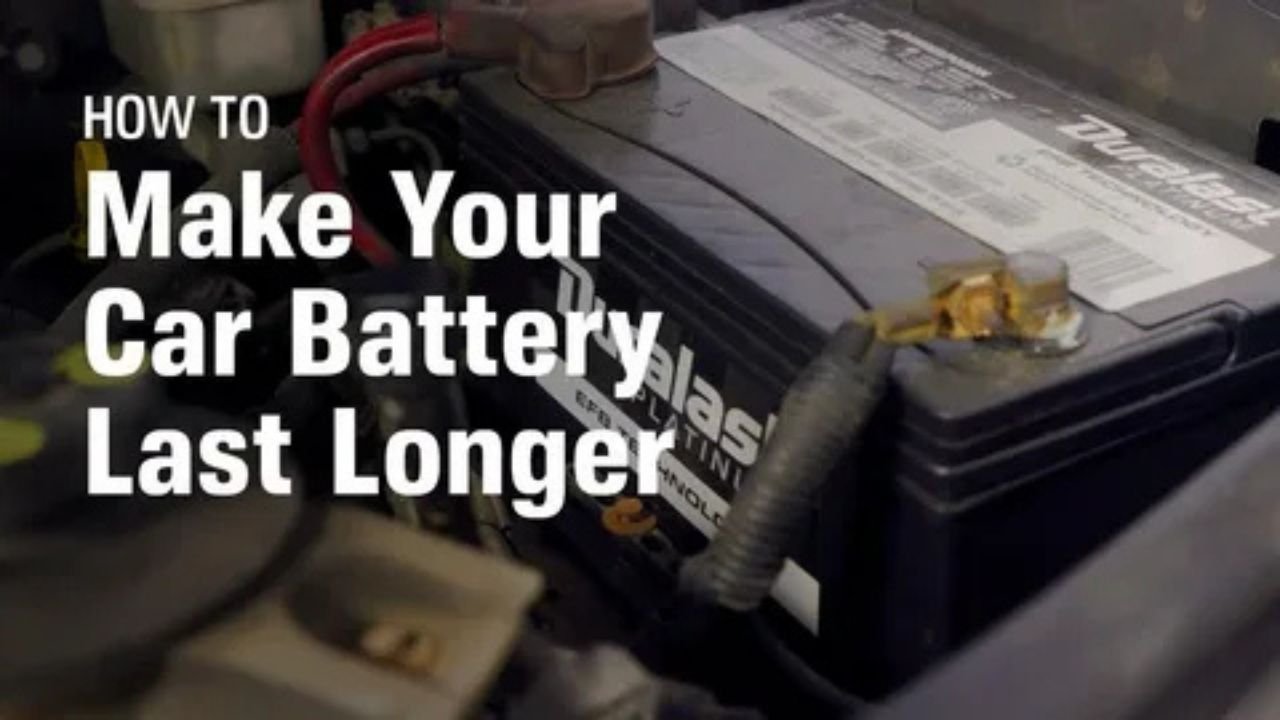
So, how long does a car battery last? A typical 12-volt starter battery lasts around three to five years. Some fail earlier, while well-maintained bat
So, how long does a car battery last? A typical 12-volt starter battery lasts around three to five years. Some fail earlier, while well-maintained batteries in favourable conditions may continue working beyond that range. Climate, driving frequency, journey length, electrical demands, and battery quality all influence the final number.
Age matters, but it is only part of the story. A three-year-old battery that regularly completes longer journeys may be healthier than a newer one used for five-minute trips. Understanding those differences can help a driver replace a weak battery before it chooses the worst possible morning to fail.
What Is the Average Car Battery Lifespan?
Most conventional car batteries provide approximately three to five years of service. However, that range should be treated as a practical estimate rather than an expiry date printed in stone. Two identical batteries fitted on the same day can age very differently when installed in vehicles with different driving patterns.
A battery gradually loses its ability to hold enough energy to start the engine. It may continue operating lights and dashboard electronics, but struggle under the heavier demand of cranking the engine.
Once a battery reaches three years of age, periodic testing becomes sensible, particularly before winter, summer, or a long road trip. Drivers can often find a manufacturing or installation date on the battery label or case. Knowing that date makes maintenance decisions much easier than guessing how long the battery has been under the bonnet.
Starter Batteries and EV Batteries Are Not the Same
The phrase “car battery” can describe two very different components. Petrol, diesel, hybrid, and many electric vehicles contain a small 12-volt battery that powers accessories and supports the vehicle’s electrical systems. This is the battery usually discussed when someone asks how long a car battery lasts.
An electric vehicle also has a much larger high-voltage traction battery that powers the electric motor. Its expected life, testing methods, replacement cost, and warranty are completely different from those of a starter battery.
Even among 12-volt batteries, construction varies. Traditional flooded lead-acid batteries are common, while absorbent glass mat, or AGM, batteries are often used in vehicles with stop-start technology and greater electrical demands. Installing the wrong specification can cause poor performance and may interfere with the charging system. Always match the replacement to the manufacturer’s requirements.
How Heat and Cold Affect Battery Life
People often blame winter for killing batteries because cold mornings expose weak ones. Low temperatures slow the chemical reactions inside a battery, while the engine may require more energy to start. A marginal battery that managed during mild weather can suddenly struggle when the temperature falls.
Heat, however, can be even more damaging over time. High under-bonnet temperatures accelerate internal corrosion and water loss in certain battery designs. The battery may survive the summer, only for the damage to become obvious during the next cold period.
Drivers in consistently hot regions may therefore find their batteries reaching the lower end of the expected lifespan. Parking in a garage or shaded place can reduce unnecessary heat exposure. A fitted battery heat shield should also remain in position. It may look like simple packaging, but manufacturers usually put it there for a reason.
Why Short Trips Can Wear Out a Battery Faster
Starting an engine requires a substantial burst of energy. Once the engine is running, the alternator begins replenishing that energy while also powering the vehicle’s electrical systems. A very short journey may finish before the battery recovers what it used during startup.
Repeat that routine every day—start, drive for five minutes, stop—and the battery may remain partially charged. Over time, this can reduce its capacity and shorten its useful life. Stop-start traffic, long periods of inactivity, and frequent use of electrical accessories can add to the strain.
One longer drive is generally more helpful than repeatedly starting the vehicle for brief periods. Simply idling on the driveway may not charge the battery efficiently, either. When a car is used infrequently, an appropriate smart battery maintainer may be a better solution, provided it is compatible with the vehicle and battery type.
Other Factors That Shorten Car Battery Life
Driving habits and temperature receive most of the attention, but several other problems can quietly damage a battery. Loose or corroded terminals can interrupt the electrical connection. Excessive vibration from an insecure mounting bracket may harm internal components. A faulty alternator can leave the battery undercharged or expose it to unsuitable charging conditions.
Parasitic drain is another common culprit. Modern vehicles continue powering alarms, computers, keyless-entry systems, and memory functions after the ignition is switched off. That small draw is normal, but a wiring fault, malfunctioning module, dash camera, or forgotten interior light can drain the battery unusually quickly.
Battery quality and correct fitment matter as well. The replacement must meet the vehicle’s capacity, terminal layout, physical size, and cold-cranking requirements. Choosing the cheapest battery without checking compatibility can become an expensive shortcut if it causes repeat starting problems.
Warning Signs That a Car Battery Is Failing
A weak battery does not always provide a polite warning, but there are clues worth noticing. The most common is a slow engine crank. Instead of starting quickly, the engine turns over reluctantly or takes several attempts. Intermittent starting trouble may also appear, especially after the car has been parked overnight.
Other warning signs include dim headlights, flickering interior lights, unreliable electrical accessories, battery or charging-system warnings, and repeated need for jump-starts. Visible corrosion around the terminals can interfere with performance, although corrosion alone does not prove that the battery has failed.
A swollen, cracked, or leaking battery case requires immediate professional attention. A strong rotten-egg smell may also indicate a serious battery or charging fault. Do not continue handling or charging a visibly damaged battery. Keep sparks and flames away and arrange an inspection by a qualified technician.
How to Test the Health of a Car Battery
A digital multimeter can provide a useful voltage reading, but voltage is only one part of battery health. After the car has rested with the engine off, a fully charged conventional 12-volt battery commonly reads around 12.6 volts. A noticeably lower result may indicate that it is partly discharged, although temperature and battery type affect interpretation.
The better assessment is a proper battery test. A technician can evaluate the battery’s ability to deliver current under load, inspect the terminals, and check whether the alternator and charging system are working correctly. This matters because replacing a battery will not fix a faulty alternator or hidden electrical drain.
Testing is especially useful after the three-year mark, before a long journey, or when starting begins to sound slower. A battery can show acceptable voltage without retaining enough practical capacity to start the engine reliably under demanding conditions.
How Long Can a Car Battery Sit Without Driving?
There is no universal number because parked vehicles continue drawing different amounts of power. Some cars may start after several weeks, while others develop trouble sooner due to battery age, temperature, security systems, connected accessories, or an abnormal parasitic drain.
An older or partly discharged battery has far less tolerance for inactivity. Leaving the car parked for weeks can allow its state of charge to fall low enough to cause damage, especially when the pattern is repeated.
For a vehicle stored regularly, consider a compatible smart maintainer rather than relying on occasional jump-starts. Disconnecting the battery is not always the best answer because modern cars may lose settings, security functions, or electronic calibrations. The owner’s manual should be checked first. When inactivity repeatedly causes a flat battery, have the vehicle tested instead of assuming that driving it more often will solve every problem.
Ways to Make a Car Battery Last Longer
Good battery care is not complicated. Give the vehicle enough driving time to recover from starting, particularly when most journeys are short. Turn off unnecessary lights and accessories before leaving the car, and make sure doors, the boot, and the glovebox are fully closed.
Keep the battery securely mounted and have dirty, loose, or corroded connections inspected. During routine servicing, ask for the battery and charging system to be checked—especially once the battery is more than three years old. Do not ignore slow cranking simply because the engine eventually starts.
When storing a vehicle, use the correct maintenance equipment and follow the manufacturer’s instructions. Avoid fitting a battery that does not match the required technology or specification. These habits cannot make a battery last forever, but they reduce preventable strain and make sudden failure less likely.
Should You Recharge or Replace the Battery?
A discharged battery is not necessarily a worn-out battery. Leaving the headlights on overnight may flatten a healthy battery that can be recharged and continue working normally. In contrast, an old battery that repeatedly loses charge, struggles during starting, or fails a load test is usually approaching replacement.
A jump-start only gets the engine running; it does not prove the battery is healthy or fully recharge it. If the car requires another jump soon afterwards, investigate the battery, alternator, connections, and possible parasitic drain.
Replacement becomes more sensible when the case is damaged, the battery cannot hold a charge, testing shows low capacity, or starting remains unreliable after proper charging. The key question is not simply how long a car battery lasts, but whether the battery can still provide dependable starting power when the vehicle needs it most.
Frequently Asked Questions
Can a car battery last seven years?
Yes, a battery can occasionally last seven years, particularly in a mild climate with favourable driving conditions. However, this is beyond the typical three-to-five-year range. An older battery should be tested regularly rather than assumed to be reliable because it still starts the car.
Does driving recharge a completely flat battery?
Driving may recharge a mildly discharged battery, but it is not always suitable for a deeply flattened one. A proper battery charger is generally more controlled. If the battery repeatedly goes flat, the vehicle needs testing for battery failure, charging faults, or parasitic drain.
How often should a car battery be tested?
Testing once a year is sensible after the battery reaches roughly three years of age. It should also be checked before a long trip, during extreme seasonal weather, or whenever the engine begins cranking more slowly than usual.
Will a new battery fix every starting problem?
No. Starting trouble can also be caused by a faulty alternator, starter motor, loose connection, wiring issue, or parasitic electrical drain. Proper diagnosis prevents a good battery from being replaced unnecessarily.
Is a car battery covered by a warranty?
Most new batteries include a warranty, but the period and coverage vary by manufacturer and retailer. Keep the receipt and check whether the warranty provides full replacement, prorated coverage, or exclusions for incorrect installation and vehicle faults.
