
Buying a smoker is easy when you imagine brisket with dark bark and ribs that bend just right. The decision gets harder when you picture feeding a fir
Buying a smoker is easy when you imagine brisket with dark bark and ribs that bend just right. The decision gets harder when you picture feeding a fire every hour, cleaning ash, buying fuel, and finding room for a cooker that weighs as much as a small motorbike.
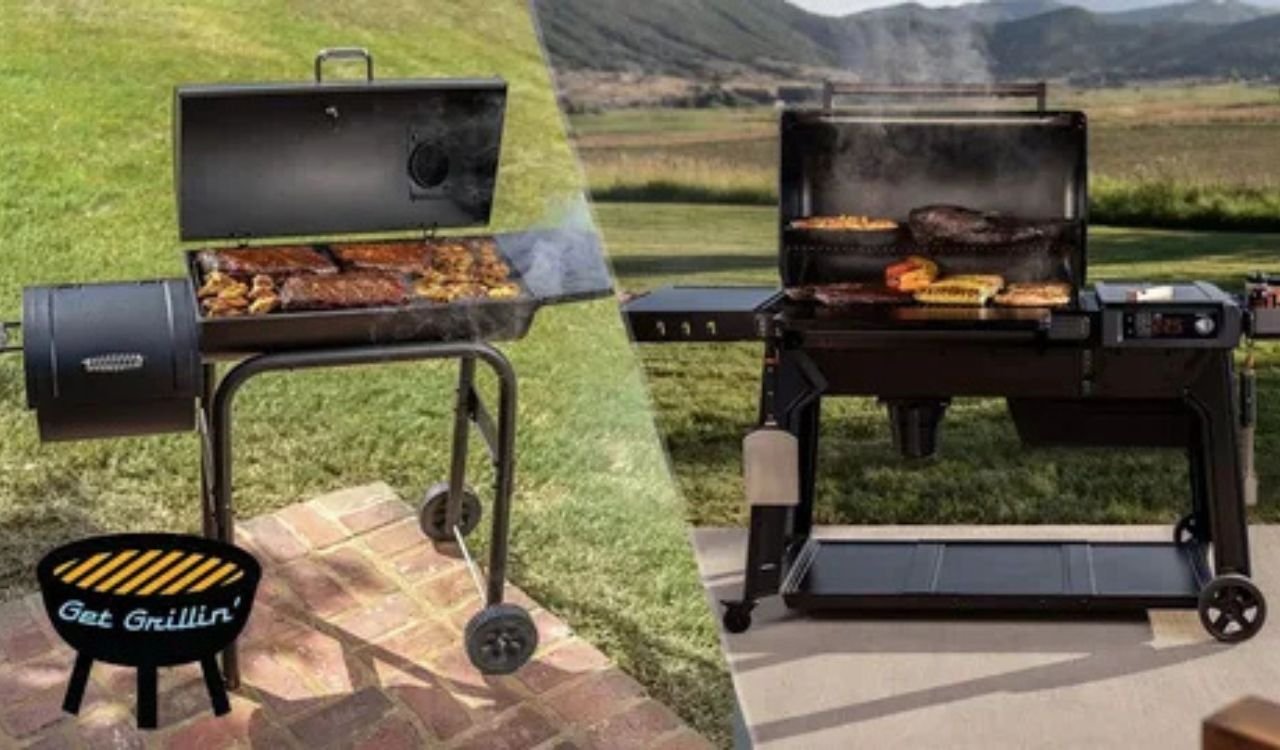
That is why a useful kamado grill vs offset smoker comparison must go beyond flavor. A kamado is an insulated charcoal cooker that can smoke, grill, roast, bake, and sear. An offset is a traditional wood-burning smoker with a separate firebox and cooking chamber.
Both can make excellent barbecue. The right choice depends on your available space, cooking habits, patience, fuel supply, and whether you want convenience or the ritual of managing a live fire.
Quick Verdict: Kamado or Offset Smoker?
Choose a kamado if you want one compact cooker for weeknight steaks, pizza, roast chicken, and overnight pork shoulder. Its insulated body holds heat efficiently, and once the vents are set, it normally needs less attention. It is well-suited to beginners, smaller households, and anyone who wants to smoke without staying beside the fire all day.
Choose an offset smoker if barbecue itself is the hobby. A good offset moves clean wood smoke from a separate firebox through a spacious cooking chamber. It suits cooks who enjoy tending a fire, regularly feed a crowd, and care more about traditional low-and-slow performance than all-purpose versatility.
The simple verdict? A kamado is easier to live with. An offset is more demanding, but potentially more rewarding for the right person.
How Each Cooker Produces Heat and Smoke
A kamado places lump charcoal beneath the cooking grate inside a thick ceramic or insulated shell. Air enters through the bottom vent and exits through the top. Adjusting those vents controls oxygen, combustion, and temperature.
Add a heat deflector for indirect cooking and a few wood chunks for smoke. Remove the deflector, open the airflow, and the kamado becomes a direct-heat grill capable of producing an intense sear.
An offset separates the fire from the food. Wood splits, or charcoal burns inside a side firebox. Heat and smoke travel through the main cooking chamber before leaving through a chimney. This continuous airflow is central to traditional offset cooking.
The real difference is not merely ceramic versus steel. It is a restricted, highly efficient charcoal fire versus a more open wood fire that requires regular attention and creates a different flow of heat and smoke.
Smoke Flavor and Bark
If smoke flavor is your only priority, an offset smoker usually wins. A clean-burning hardwood fire sends a steady stream of light smoke across the meat, helping create layered wood flavor and a dry, deeply colored bark.
That does not mean every offset automatically produces amazing barbecue. A dirty, oxygen-starved fire can cover food in bitter soot. The cook still has to maintain a healthy coal bed, use seasoned wood, and keep the smoke clean.
A kamado can also make excellent brisket, ribs, and pork shoulder. It normally uses lump charcoal with wood chunks placed among the coals. Because it operates with less airflow, the smoke may feel heavier or more charcoal-forward. Adding too much wood can quickly make the food harsh.
Most guests will notice tenderness, seasoning, bark, and clean combustion before they identify the cooker. Good technique narrows the flavor gap considerably.
Temperature Control and Learning Curve
Kamados are known for temperature stability, but they are not completely automatic. You still need to light the charcoal correctly, approach the target slowly, and make small vent adjustments.
Overshoot the temperature badly,y and the heated ceramic may take time to cool. Once settled, however, a kamado can cruise for hours with minimal input.
An offset asks much more from the cook. Fire size, wood thickness, coal-bed health, intake airflow, chimney draw, wind, and outside temperature all affect the chamber. Thin-steel models lose heat faster and often create a noticeably hotter zone near the firebox.
That sounds exhausting to some people. To others, it is the attraction.
A kamado teaches careful airflow control. An offset teaches live-fire management. The first is more forgiving. The second feels more like learning an instrument—and, yes, your first few songs may be slightly painful.
Cooking Capacity, Footprint, and Entertaining
Offset smokers normally provide more horizontal cooking space. Their long grates can accommodate several briskets, pork butts, chickens, or racks of ribs without complicated stacking.
That makes an offset a natural fit for parties, catering practice, large families, or anyone whose “small barbecue” somehow feeds twenty people.
Kamados are compact outside but tighter inside. Multi-level racks can increase capacity, yet the circular grate may make full rib racks and long briskets awkward. Larger kamados reduce this problem, although they also cost more and become extremely heavy.
The trade-off is backyard space. An offset needs a dedicated, level, well-ventilated area with safe clearance around the firebox and chimney. A kamado takes up less room and fits comfortably on many patios.
Be honest about your usual guest list. Buying for one imaginary neighborhood feast could leave you maintaining an oversized smoker every other weekend.
Versatility: The Kamado’s Strongest Advantage
A kamado can replace several outdoor cookers.
With direct heat, it grills burgers, chicken, and steaks. Add a heat deflector, and it becomes a smoker or roasting oven. Open the vents, and it can generate high temperatures for searing. Add a pizza stone, and it can bake pizza or bread.
Depending on the model, accessories may also support rotisserie cooking, griddling, raised racks, and divided heat zones.
Most offset smokers are specialists. Their main cooking chambers are designed for indirect, low-and-slow barbecue. Some models include a grate above the firebox for direct grilling, but moving from a long brisket cook to a quick weeknight dinner is rarely as convenient.
If this will be your only outdoor cooker, the kamado’s flexibility is a serious advantage. If you already own a grill and want a machine devoted to ribs, brisket, and pork shoulder, the offset’s narrow purpose may be exactly what you need.
Fuel Efficiency and Ongoing Costs
A kamado uses charcoal efficiently because its insulated body retains heat and its vents restrict airflow. When the cook is finished, closing both vents can extinguish the fire and leave charcoal that may be reused.
This efficiency becomes especially valuable during overnight cooks, cold weather, or frequent backyard grilling.
Offsets consume more fuel because they depend on continuous airflow and an active fire. Thin metal, poor seals, strong wind, and low outside temperatures can increase consumption. Heavy steel improves heat stability, but the firebox still needs regular wood splits to maintain clean combustion.
Local fuel access changes the calculation. An offset may be affordable when seasoned hardwood is easy to source. It becomes more expensive when cooking wood is available only in small, premium bags.
Do not compare purchase prices alone. Consider charcoal, wood, covers, accessories, replacement seals, and how often you realistically expect to cook.
Cleaning, Durability, and Weather Performance
A kamado needs regular ash removal so its lower air vent remains clear. The cooking grates need cleaning, and the gasket may eventually require replacement.
Ceramic does not rust, but it can crack if the cooker is dropped or handled carelessly. Its weight also makes frequent movement difficult. This is not the cooker you casually drag across the patio after dinner.
A steel offset needs ash and grease removed, along with protection from corrosion. The firebox receives intense heat and may show paint damage or rust before the main chamber. A cover, dry storage, a clean ash pan, and a light oil coating on exposed steel can help extend its life. The weather generally favors the kamado. Its insulation helps it remain steady in cold and windy conditions. An offset reacts more noticeably to rain, wind, and falling temperatures, particularly when it is made from thin steel.
Which Cooker Matches Your Real Life?
Picture two Saturdays.
First, you want to smoke a pork shoulder while mowing the lawn, watching a game, and handling a few jobs around the house. A kamado suits that day. Set the airflow, monitor it with a thermometer, and check it occasionally.
On the second, barbecue is the activity. You build a coal bed, add wood splits, watch the smoke, and learn how the breeze changes the chimney draw. Friends gather nearby, someone opens a cold drink, and tending the fire becomes part of the occasion.
That is an offset day.
Neither experience is automatically better. The expensive mistake is buying for the pitmaster you admire rather than the cook you will realistically become.
A smoker that creates slightly better flavor but remains under its cover for eleven months is not the better purchase. Choose the workflow you will actually enjoy.
Final Kamado Grill vs Offset Smoker Comparison
| Priority | Better Choice |
| Traditional hardwood smoke character | Offset smoker |
| Easier temperature stability | Kamado grill |
| Larger cooking capacity | Offset smoker |
| Better fuel efficiency | Kamado grill |
| Grilling, roasting, baking, and searing | Kamado grill |
| Hands-on fire management | Offset smoker |
| Limited patio space | Kamado grill |
| Cooking regularly for large groups | Offset smoker |
| Beginner-friendly operation | Kamado grill |
| Traditional barbecue experience | Offset smoker |
For most casual backyard cooks, a kamado provides a better balance of control, efficiency, and versatility. For committed barbecue enthusiasts who enjoy managing a live fire and frequently cook large quantities, an offset offers greater capacity and a traditional hardwood-smoke experience.
The answer to the Kamado grill vs offset smoker comparison is personal. Choose the cooker whose workload, space requirements, capacity, and strengths match your real cooking habits—not simply the one that looks most impressive online.
Frequently Asked Questions
Is a kamado better than an offset smoker for beginners?
Usually, yes. A kamado’s insulation and controlled airflow make stable low-and-slow cooking easier to manage. Beginners still need to understand vent control and avoid temperature overshoot, but they generally spend less time adding fuel and correcting temperature swings.
Which cooker makes better brisket?
A well-managed offset has an advantage for traditional hardwood-smoked brisket and pronounced bark. A kamado can produce tender, flavorful brisket with less supervision. Meat quality, trimming, seasoning, temperature control, and clean smoke remain important on either cooker.
Can a kamado create a strong smoke flavor?
Yes. Use clean lump charcoal and a modest number of hardwood chunks placed at different levels in the charcoal bed. Avoid overloading the fire with wood, because restricted airflow can turn excessive smoke harsh or bitter.
Can you grill directly on an offset smoker?
Some offset smokers include a grate above the firebox for direct grilling. Others can accept an accessory grate. It works, but a kamado is normally more convenient for regular steaks, burgers, vegetables, and high-temperature searing.
Which option costs less over time?
A kamado generally burns less fuel, although its initial purchase price can be high. An offset may cost less upfront, but thin, leaky models can consume more wood and charcoal. Compare build quality, local fuel prices, accessories, maintenance requirements, and expected use.
