
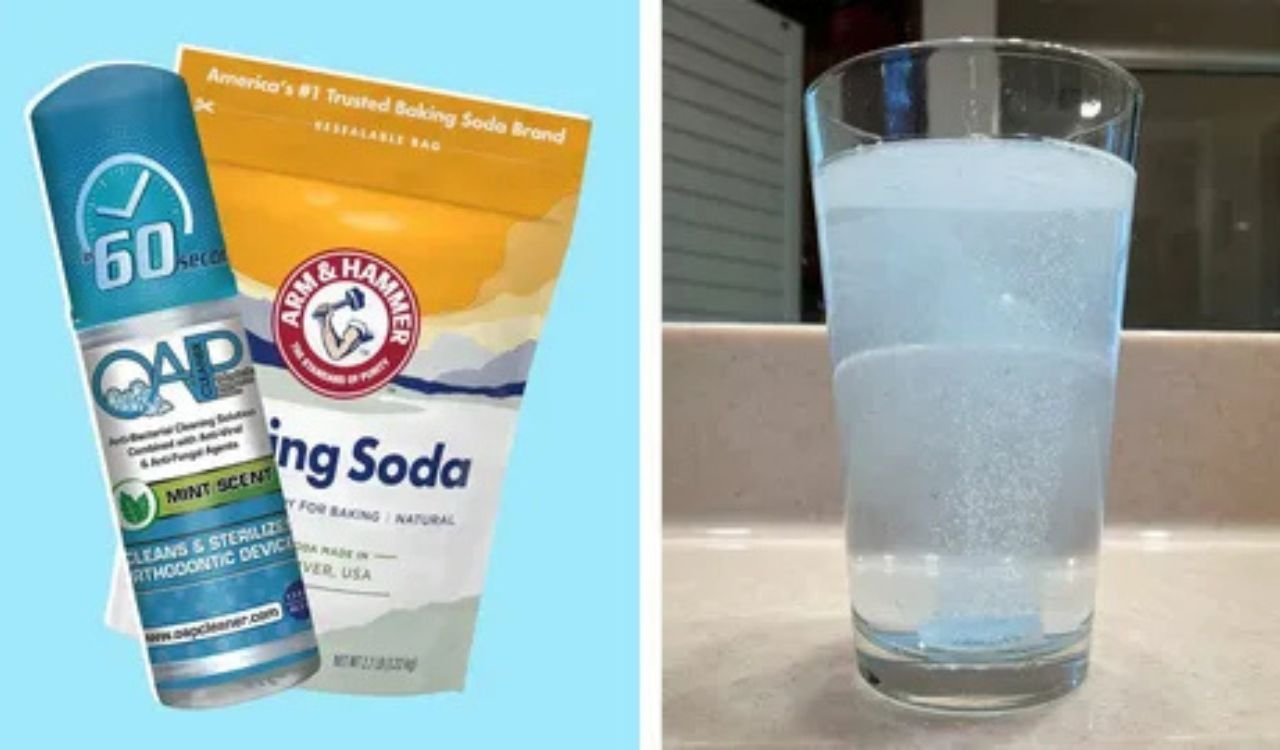
Plaque on retainers is one of those problems that slowly builds up without people noticing. At first, it looks like a slight cloudy layer or a bit of
Plaque on retainers is one of those problems that slowly builds up without people noticing. At first, it looks like a slight cloudy layer or a bit of dullness. Then suddenly the retainer feels sticky, smells strange, and does not look clear anymore. That is usually when people start searching how to clean retainers with plaque because simple rinsing is no longer enough.
Plaque is not just dirt. It is a combination of bacteria, saliva minerals, and food particles that stick to surfaces over time. Since retainers stay in the mouth for long hours, they become a perfect place for plaque to form if not cleaned properly.
The good news is that plaque buildup can be controlled and removed safely at home with the right methods, as long as you avoid harsh scrubbing or damaging cleaning techniques.
Why Plaque Builds Up On Retainers
Plaque forms naturally in the mouth, and retainers act like a magnet for it. Every time you wear your retainer, saliva and bacteria come into contact with its surface.
When retainers are not cleaned properly, this layer slowly hardens and becomes visible. It often starts in small corners or edges where brushing does not reach properly.
Another reason plaque builds up is inconsistent cleaning habits. Even missing a single cleaning cycle can allow bacteria to settle and grow.
Diet also plays a role. Sugary foods and drinks can increase bacterial activity, which indirectly affects retainer cleanliness.
Understanding why plaque forms helps in preventing it from coming back after cleaning.
Safe Methods To Remove Plaque From Retainers
The safest way to remove plaque is to combine soaking and gentle brushing. Start by soaking the retainer in lukewarm water for a few minutes. This helps soften the plaque layer.
After soaking, use a soft toothbrush to gently clean the surface. Focus on areas where plaque is visible, especially edges and grooves.
Avoid using hard brushes or aggressive scrubbing because this can scratch the retainer and make future plaque buildup worse. If needed, a mild cleaning solution designed for dental appliances can also help loosen stubborn plaque.
Once cleaned, rinse thoroughly under lukewarm water and let it air dry before storing. This combination method is the most effective and safe for regular plaque removal.
How To Clean Retainers With Plaque At Home
Home cleaning is often enough to manage plaque if done consistently. The key is not letting plaque sit for too long.
A daily routine of rinsing and light brushing prevents plaque from hardening. Once it hardens, it becomes more difficult to remove. For slightly stubborn buildup, soaking the retainer in warm water before brushing helps make the process easier.
Some people also use mild soap during brushing to break down sticky layers. However, it is important to rinse thoroughly afterward to avoid residue.
At home, cleaning works best when done regularly instead of waiting for heavy buildup to form.
Mistakes That Make Plaque Worse On Retainers
One common mistake is ignoring early signs of plaque. When retainers start looking cloudy, that is the best time to clean them, not later.
Another mistake is using toothpaste, which can scratch the surface and create more areas for plaque to stick in the future.
Hot water is also a problem because it can damage the shape of plastic retainers, affecting their fit.
Some people also forget to clean the storage case, which can reintroduce bacteria even after cleaning the retainer.
Inconsistent cleaning is the biggest issue. Plaque builds up much faster when cleaning routines are irregular.
Avoiding these mistakes helps maintain a cleaner retainer for longer periods.
Real Life Example Of Plaque Buildup
A young office worker noticed his retainer becoming cloudy after a few weeks of irregular cleaning. He thought it was permanent damage and considered replacing it.
After visiting a dental professional, he learned it was simply plaque buildup caused by inconsistent cleaning habits.
He started a proper routine involving daily rinsing and weekly deep cleaning with gentle brushing. Within days, the retainer looked significantly clearer.
This shows that plaque buildup is often reversible if addressed early.
How Often You Should Remove Plaque From Retainers
Plaque should not be allowed to build up in the first place. Ideally, retainers should be cleaned every time they are used.
Light cleaning daily prevents plaque from forming a thick layer. Deeper cleaning can be done once or twice a week depending on usage.
The more consistent your routine is, the easier it becomes to maintain a clear retainer.
Waiting too long between cleanings allows plaque to harden, which makes removal more difficult.
How To Prevent Plaque On Retainers Long Term
Prevention is always easier than removal. The best way to prevent plaque is to maintain a daily cleaning habit.
Rinsing immediately after removing the retainer helps stop bacteria from settling.
Brushing gently with a soft toothbrush removes early buildup before it becomes visible.
Storing the retainer in a clean, dry case also helps prevent bacterial growth.
Regular dental hygiene, including brushing and flossing your teeth properly, also reduces plaque transfer to retainers.
Conclusion
Learning how to clean retainers with plaque is important because plaque buildup is one of the most common issues retainer users face. It does not happen overnight, but once it forms, it becomes noticeable quickly.
The good news is that plaque can be safely removed at home using gentle soaking, brushing, and consistent cleaning habits. The key is acting early and avoiding harsh methods that can damage the retainer.
With proper care and routine cleaning, retainers can stay clear, fresh, and long-lasting without constant buildup issues.
FAQs
What causes plaque on retainers?
Plaque forms from bacterial saliva and food particles sticking to the surface
How do I remove plaque from retainers?
Soaking and gentle brushing with a soft toothbrush works best
Can toothpaste remove plaque from retainers?
No toothpaste can damage the surface and make the buildup worse
How often should I clean plaque from retainers?
Daily light cleaning prevents plaque from forming
Is plaque on retainers harmful?
Yes, it can cause bad odor bacteria buildup, and oral hygiene issues
