
Many car owners wonder why transmission fluid must be checked while the engine is running. At first, it may seem unnecessary or even unsafe, but there
Many car owners wonder why transmission fluid must be checked while the engine is running. At first, it may seem unnecessary or even unsafe, but there is an important mechanical reason behind this procedure. Transmission fluid behaves differently when the engine is off versus when it is running, and checking it correctly ensures accurate readings and proper vehicle maintenance.
Understanding this simple step can help prevent overfilling, underfilling, and long-term transmission damage.
Why Transmission Fluid Is Checked With the Engine Running
Transmission fluid must be checked while the engine is running because the transmission system depends on an active hydraulic circulation process. When the engine is on, the transmission pump begins working and pushes fluid throughout the entire system.
This circulation includes key components such as the torque converter, valve body, and cooling lines. Without the engine running, the fluid does not move through these parts, and most of it drains back into the transmission pan. This creates an inaccurate fluid level reading.
When the engine is running, however, the fluid is fully distributed throughout the system, giving a true measurement of how much fluid is actually available during normal driving conditions.
How the Transmission Pump Affects Fluid Levels
The transmission pump plays a central role in this process. It is responsible for pressurizing and circulating fluid to ensure smooth gear shifting and proper lubrication.
When the engine is off, the pump stops working, and fluid naturally settles in the bottom of the transmission pan. This makes the dipstick reading appear higher than normal or inconsistent, depending on the vehicle design.
When the engine starts, the pump activates and distributes fluid evenly across the system. This is why manufacturers require the engine to be running before checking fluid levels.
Why a Running Engine Gives Accurate Readings
Checking transmission fluid with the engine running ensures that the system is in its real operating state. Since transmissions function under pressure and movement while driving, the fluid level must be measured under similar conditions.
If the engine is off, the reading does not reflect real-world usage. You might think the fluid level is correct when it is actually too low, or you might overfill it based on incorrect measurements.
Both situations can lead to transmission problems such as slipping gears, rough shifting, or overheating.
What Happens If You Check It With the Engine Off
Checking transmission fluid with the engine off can lead to misleading results. Because the fluid settles in the pan, the dipstick reading may not reflect the actual operating level.
In some cases, it may look like there is enough fluid when there is not. In other cases, especially after recent driving, fluid distribution may still be uneven, leading to confusion about the actual level.
This is why manufacturers strongly recommend following the “engine running” method for most automatic vehicles.
Proper Method for Checking Transmission Fluid
To get an accurate reading, the vehicle should be parked on a level surface with the engine running and warmed up. The gear selector is usually cycled through all positions before checking to ensure fluid is fully circulated.
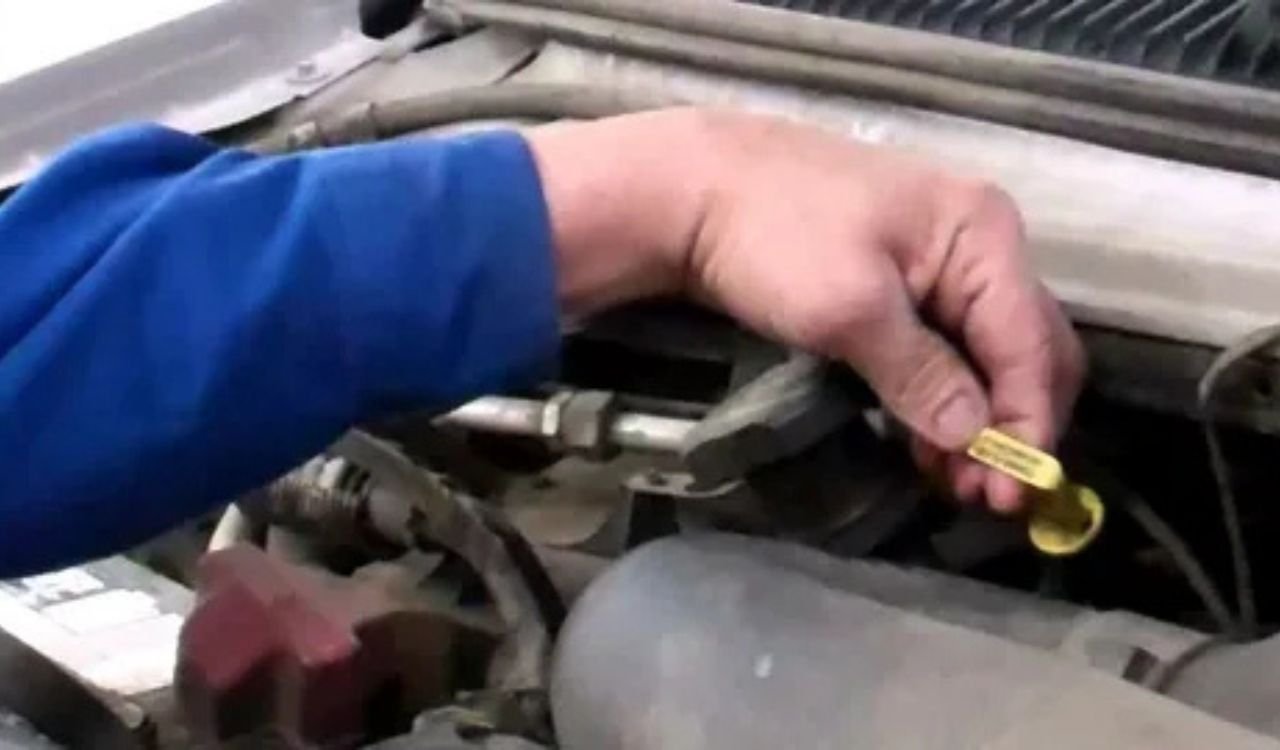
Once this is done, the dipstick is removed, wiped clean, reinserted, and then checked again to read the correct fluid level. This method ensures the most reliable and consistent measurement.
Why This Small Step Matters
Although it may seem like a small detail, checking transmission fluid correctly can significantly impact vehicle performance and lifespan. Incorrect readings can lead to underfilled or overfilled transmission fluid, both of which can cause serious mechanical issues over time.
Proper fluid levels help ensure smooth gear shifts, reduce friction, and prevent overheating, ultimately protecting the transmission system from costly repairs.
Conclusion
Transmission fluid is checked with the engine running because only then does the system reflect real driving conditions. The transmission pump circulates fluid throughout the system, making the reading accurate and reliable. Checking it with the engine off can lead to incorrect levels and potential transmission damage. By following the correct method, you ensure smoother performance, better shifting, and longer transmission life.
FAQ
Why do you check transmission fluid with the engine running?
Because the transmission pump only circulates fluid when the engine is running, giving an accurate reading of the actual operating fluid level.
What happens if you check transmission fluid with the engine off?
The fluid settles in the pan, which can give an inaccurate reading and lead to incorrect maintenance decisions.
Is it safe to check transmission fluid while the engine is running?
Yes, it is safe as long as you stay clear of moving engine parts and follow proper precautions while checking the dipstick.
Do all cars require the engine running to check transmission fluid?
Most automatic cars with dipsticks do, but some modern sealed transmissions may have different procedures outlined in the owner’s manual.
