
Checking your transmission fluid is one of the simplest yet most important maintenance tasks you can perform to keep your vehicle running smoothly. Tr
Checking your transmission fluid is one of the simplest yet most important maintenance tasks you can perform to keep your vehicle running smoothly. Transmission fluid plays a key role in lubricating internal components, cooling the transmission system, and ensuring smooth gear shifts. When fluid levels are low or the condition is poor, it can lead to rough shifting, overheating, and even serious transmission damage.
Understanding how to check transmission fluid correctly can help you catch potential issues early and maintain your vehicle’s long-term health.
Why Transmission Fluid Matters
Transmission fluid is responsible for keeping the internal parts of your transmission system properly lubricated and cool. It also helps create hydraulic pressure, which allows your vehicle to shift gears smoothly.
When the fluid level drops or becomes contaminated, you may notice symptoms such as delayed shifting, slipping gears, or unusual noises while driving. Regularly checking the fluid helps prevent these issues and ensures your transmission operates efficiently.
How to Check Transmission Fluid (Automatic Cars with Dipstick)
Most automatic vehicles come equipped with a transmission dipstick that allows you to check fluid levels easily. Before starting, make sure your vehicle is parked on a flat, level surface to ensure an accurate reading.
Start by turning on the engine and letting it reach normal operating temperature. Keep the engine running throughout the process, as transmission fluid circulates while the vehicle is on.
Once the engine is warm, open the hood and locate the transmission dipstick. It is usually labeled and positioned near the back of the engine bay, though its exact location can vary depending on the vehicle model.
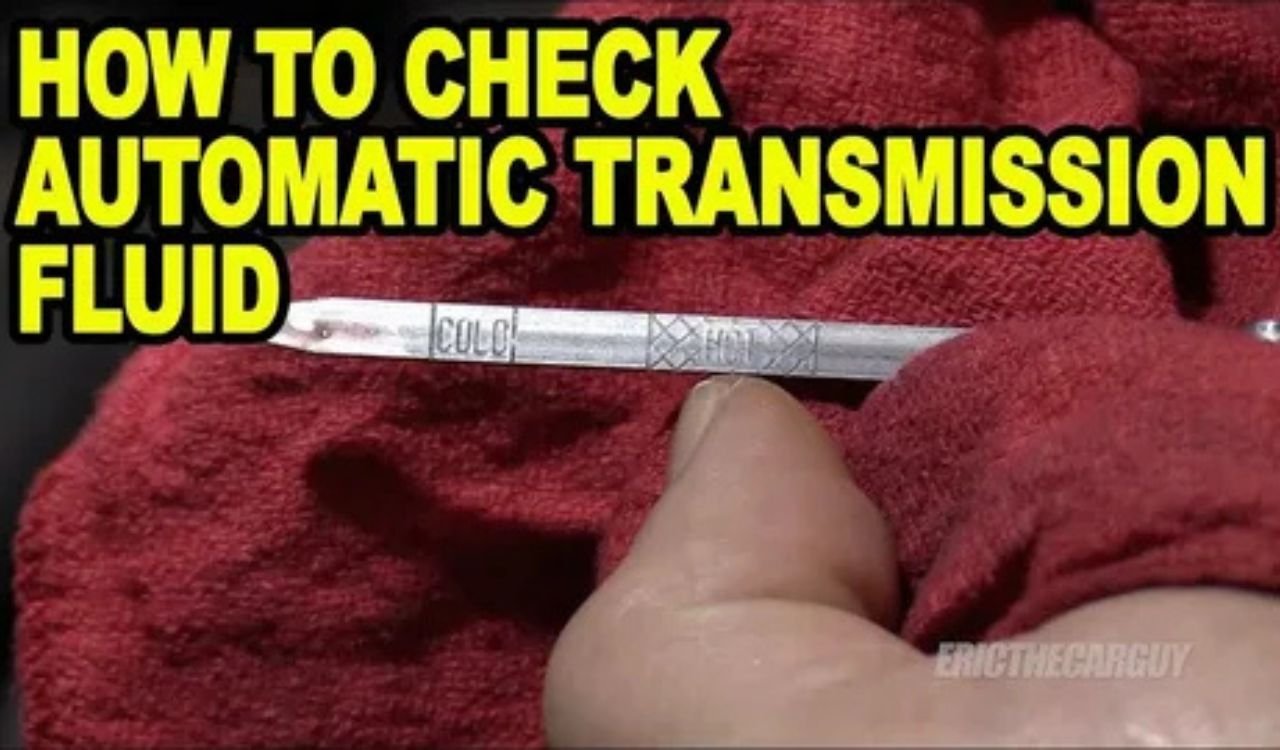
Carefully pull out the dipstick, wipe it clean with a lint-free cloth, and reinsert it fully. Then remove it again to check the fluid level. The fluid should fall within the marked “full” range on the dipstick.
Checking Fluid Condition
In addition to level, the condition of the transmission fluid is equally important. Healthy transmission fluid is typically clear with a reddish color and has a slightly sweet or neutral smell.
If the fluid appears dark, dirty, or has a burnt smell, it may indicate overheating or contamination. In such cases, a fluid change or professional inspection may be necessary.
Common Mistakes to Avoid
One of the most common mistakes when checking transmission fluid is doing it with the engine turned off. This can give an inaccurate reading because fluid is not actively circulating through the system.
Another mistake is checking the fluid when the vehicle is not on level ground. Even a slight incline can affect the reading and lead to incorrect assumptions about fluid levels.
It is also important not to overfill the transmission fluid, as too much fluid can cause foaming and poor transmission performance.
Why Regular Checks Are Important
Regularly checking your transmission fluid helps identify potential issues before they become serious. Low or poor-quality fluid can lead to costly repairs if ignored for too long.
By monitoring both level and condition, you can ensure smoother gear shifts, better fuel efficiency, and longer transmission life.
Conclusion
Knowing how to check transmission fluid is an essential part of basic car maintenance that can help you avoid expensive repairs and keep your vehicle running smoothly. By checking fluid levels with the engine running, ensuring the vehicle is on level ground, and monitoring the condition of the fluid, you can maintain a healthy transmission system and extend the life of your car. Regular checks are a simple habit that can make a significant difference in your vehicle’s long-term performance.
FAQ
How often should you check transmission fluid?
It is generally recommended to check transmission fluid at least once a month or during regular vehicle maintenance to ensure proper levels and condition.
What color should transmission fluid be?
Healthy transmission fluid is usually bright red or pinkish. Dark brown or black fluid may indicate it needs to be changed.
Can I check transmission fluid when the engine is off?
For most automatic vehicles, no. The engine should be running because the fluid circulates while the transmission is operating.
What happens if transmission fluid is low?
Low transmission fluid can cause slipping gears, delayed shifting, overheating, and in severe cases, transmission failure.
