
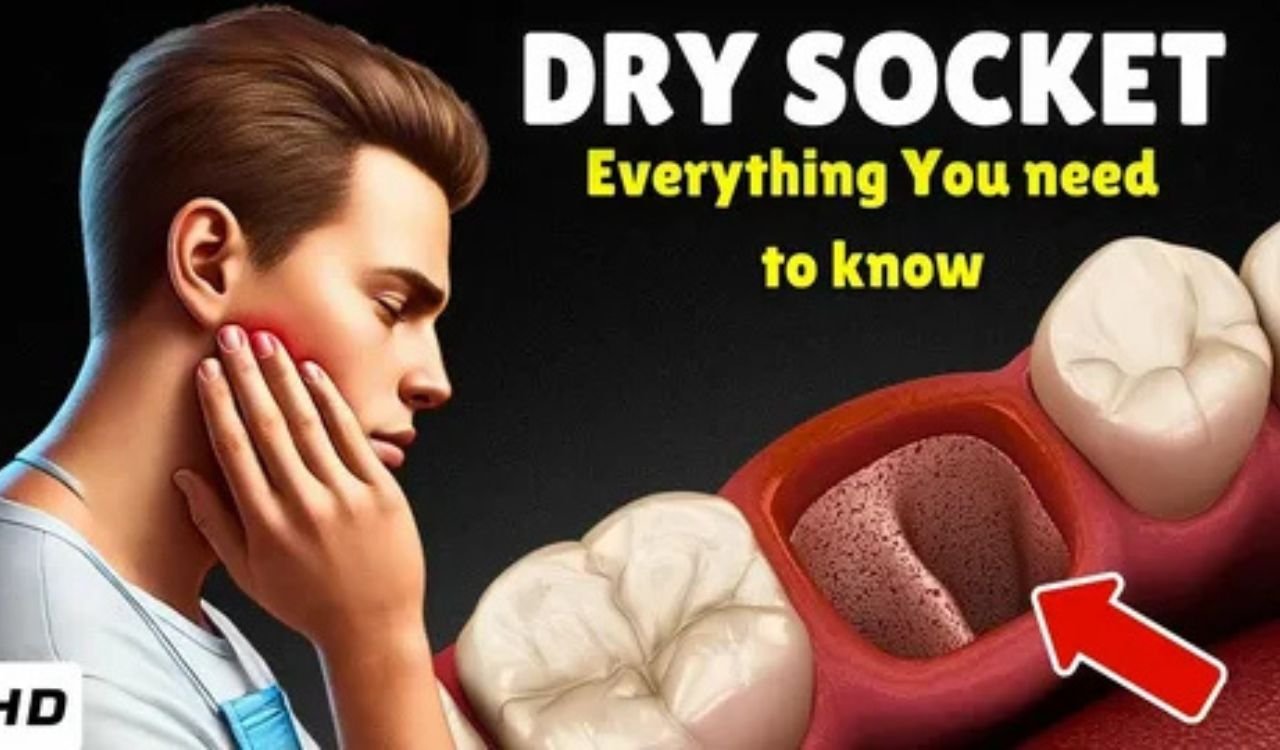
Dry socket is one of the most painful complications that can occur after a tooth extraction. It develops when the protective blood clot at the extract
Dry socket is one of the most painful complications that can occur after a tooth extraction. It develops when the protective blood clot at the extraction site is lost or fails to form properly, leaving the underlying bone and nerves exposed. This condition, known medically as alveolar osteitis, can cause intense, throbbing pain that often spreads to the ear, jaw, or temple.
A common question patients ask is whether dry socket can heal on its own. The short answer is yes, but the process is slow, painful, and often requires professional care to manage symptoms and prevent complications.
What Is a Dry Socket?
After a tooth is removed, the body naturally forms a blood clot in the empty socket. This clot acts like a protective barrier, shielding the bone and nerve endings while the area begins to heal.
Dry socket occurs when this clot is dislodged too early or never forms properly. When that happens, the bone and nerves inside the socket are exposed to air, food, and fluid, leading to severe pain and delayed healing.
This condition is most common after the removal of lower wisdom teeth, but it can occur after any tooth extraction.
Does Dry Socket Heal on Its Own?
Yes, a dry socket will eventually heal on its own as the body naturally repairs the exposed tissue and forms new protective layers. However, the healing process is often slow and uncomfortable.
Without treatment, the exposed bone gradually becomes covered with new tissue over time, but this process does not happen quickly. In many cases, the pain can be severe enough that patients require professional dental care before natural healing becomes manageable.
This is why dentists strongly recommend treatment instead of waiting for the condition to resolve on its own.
Why You Should Not Ignore a Dry Socket
Although dry socket is not life-threatening, it can significantly affect quality of life due to the intensity of the pain. The discomfort is often described as deep, radiating, and persistent, and it may worsen instead of improving over time.
When the protective clot is missing, the area is also more vulnerable to irritation and infection. This can delay healing even further and increase overall discomfort.
Because of this, relying only on natural healing is usually not recommended, even though the body is technically capable of repairing the area over time.
Professional Treatment for Dry Socket
Dental treatment is often needed to manage pain and support healing. A dentist or oral surgeon may clean the socket gently to remove any debris and then apply a medicated dressing to protect the exposed area.
These dressings help reduce pain almost immediately and create a protective environment that allows proper healing to begin. Pain relief medications and rinses may also be prescribed to manage discomfort and reduce the risk of infection.
In many cases, patients feel significant relief shortly after professional treatment, even though full healing still takes time.
Healing Process of Dry Socket
Even though dry socket can heal naturally, the process typically takes longer than a normal extraction recovery. The body must first reduce inflammation and then slowly regenerate tissue over the exposed bone.
Over time, new tissue gradually covers the socket, and pain begins to decrease. However, without treatment, this process can be uncomfortable and prolonged, often lasting much longer than expected.
How to Support Healing at Home
While professional treatment is important, there are also ways to support recovery at home. Keeping the mouth clean with gentle rinsing, avoiding smoking, and following post-extraction care instructions can help prevent further irritation.
Patients are usually advised to avoid disturbing the area, eat soft foods, and maintain good oral hygiene without directly irritating the socket. These steps help reduce discomfort and support faster healing.
Conclusion
Dry socket does eventually heal on its own, but the healing process is slow and often very painful due to exposed bone and nerves. While the body can naturally repair the area over time, professional dental treatment is strongly recommended to relieve pain and support faster recovery. With proper care, most patients recover fully and return to normal comfort within a short period after treatment begins.
FAQ
Can dry socket heal without treatment?
Yes, it can heal on its own, but the process is often slow and very painful. Dental treatment is usually recommended to manage symptoms and speed up recovery.
How long does dry socket take to heal naturally?
Without treatment, dry socket can take several days to a couple of weeks to heal, depending on the individual’s healing ability and oral care.
What happens if dry socket is left untreated?
If left untreated, the pain may persist for an extended period, and the risk of irritation or secondary infection may increase.
Is dry socket dangerous?
Dry socket is not dangerous in a life-threatening sense, but it can be extremely painful and should be treated to avoid unnecessary discomfort.
How is dry socket treated by a dentist?
A dentist typically cleans the socket and places a medicated dressing to protect the area and reduce pain. Pain relief medications may also be prescribed.
