
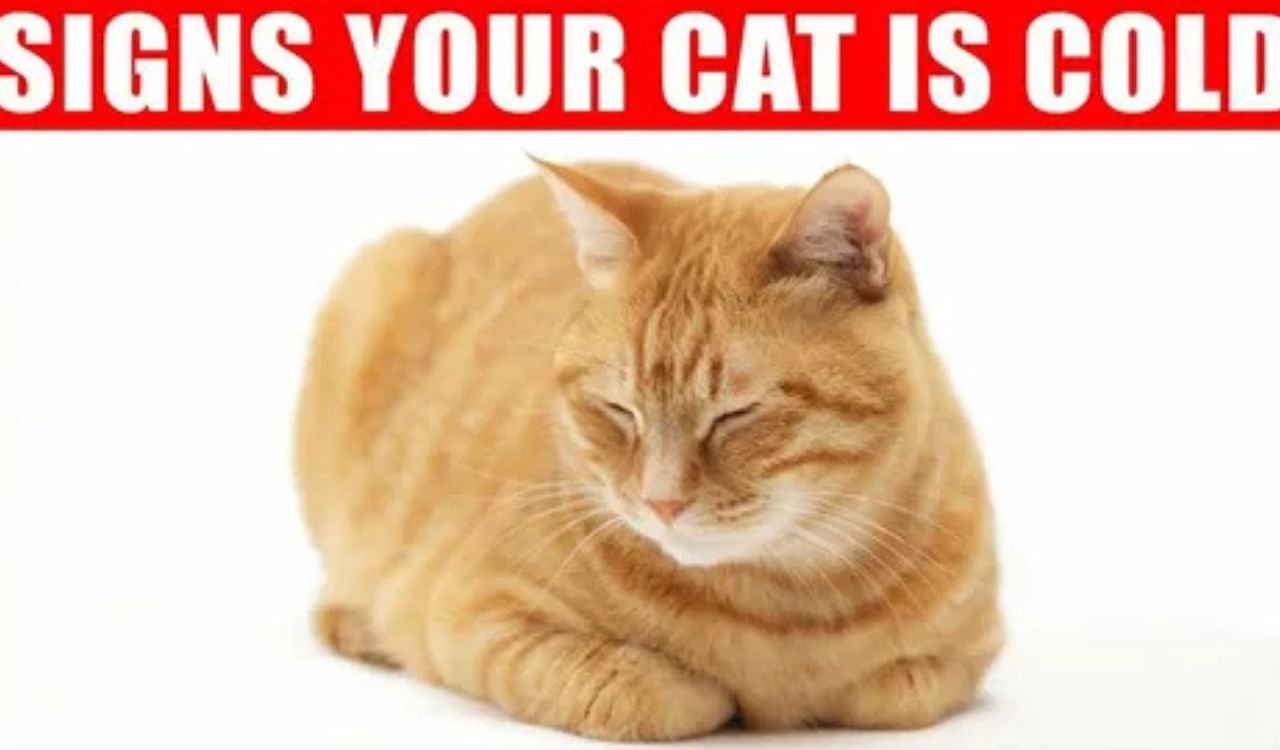
When a cat starts sneezing, having watery eyes, or developing a runny nose, most owners assume it has caught a simple “cold.” However, cats do not cat
When a cat starts sneezing, having watery eyes, or developing a runny nose, most owners assume it has caught a simple “cold.” However, cats do not catch human cold viruses. Instead, they develop upper respiratory infections caused by specific feline viruses. These infections are commonly referred to as a “cat cold” or “cat flu,” and they can vary from mild discomfort to more serious respiratory illness depending on the cat’s immune system.
The most common causes of cat cold virus symptoms are feline herpesvirus and feline calicivirus. These viruses target the upper respiratory system, including the nose, throat, and eyes, leading to inflammation and discomfort. Once a cat becomes infected, the virus may remain in the body for life and can reactivate during times of stress, illness, or weakened immunity.
What Causes Cat Cold Viruses?
Cat cold viruses are highly contagious and spread easily between cats, especially in environments where many cats live together. This includes shelters, breeding facilities, or even multi-cat households. Infection usually spreads through direct contact, sneezing droplets, shared food bowls, grooming, or contaminated surfaces such as bedding and toys.
Even strictly indoor cats are not completely safe. A virus can be brought into the home indirectly through clothing, hands, or exposure during veterinary visits or boarding. This is why understanding the symptoms early is important for preventing further spread.
Common Symptoms of Cat Cold Viruses
The symptoms of cat cold viruses usually begin mildly but can progress depending on the severity of the infection. Sneezing is often the first noticeable sign, followed by a runny nose that may start as clear discharge and later become thicker or colored if a secondary bacterial infection develops.
Many cats also develop watery or irritated eyes, especially in cases involving feline herpesvirus. The eyes may appear red, crusty, or slightly swollen, and cats may squint due to discomfort. Nasal congestion is another common symptom, making it harder for the cat to breathe comfortably or smell food properly.
Because cats rely heavily on their sense of smell to eat, loss of appetite is very common during respiratory infections. Along with this, cats may appear more tired than usual, sleep longer, and show reduced interest in play or interaction. In some cases, mild fever may also develop, further contributing to lethargy and reduced energy levels.
Why Cat Cold Viruses Should Not Be Ignored
While many cat cold infections are mild and resolve on their own, they should not be taken lightly. In kittens, elderly cats, or those with weakened immune systems, the infection can become more severe and lead to complications. These may include dehydration, secondary bacterial infections, and prolonged respiratory distress.
One of the most important things to understand is that certain viruses, especially feline herpesvirus, can remain dormant in the cat’s body. This means that even after recovery, symptoms may return later in life when the cat is stressed or unwell. Because of this, managing both symptoms and overall health is important.
How Cat Cold Viruses Are Treated
There is no direct cure for viral infections in cats. Instead, treatment focuses on supportive care that helps the cat’s immune system fight the virus more effectively. This often includes keeping the cat hydrated, ensuring it continues eating, and maintaining a comfortable and stress-free environment.
Veterinarians may prescribe medications depending on the severity of the condition. Antibiotics are sometimes used if a secondary bacterial infection develops. In more severe cases, antiviral medications or eye treatments may be necessary, especially when the eyes are significantly affected. Appetite stimulants or fluid therapy may also be recommended if the cat is not eating or drinking enough.
At home, simple care measures can make a big difference. Cleaning the cat’s nose and eyes gently with a warm cloth helps reduce discomfort. Increasing humidity in the environment, such as using a humidifier or steam from a bathroom, can also help loosen nasal congestion and make breathing easier. Warming food slightly can encourage a cat to eat even when its sense of smell is reduced.
How Long Do Cat Cold Virus Symptoms Last?
In most cases, cat cold symptoms last between seven and fourteen days. However, the exact duration depends on the virus involved, the cat’s age, and overall immune health. Some cats recover quickly, while others may take longer, especially if complications develop.
In cases involving feline herpesvirus, the infection may never fully leave the body. Instead, it can remain inactive and occasionally reactivate during stressful situations, causing recurring mild symptoms throughout the cat’s life.
Preventing Cat Cold Viruses
Although it is not always possible to completely prevent cat colds, the risk can be significantly reduced with proper care. Vaccination plays an important role in protecting cats against common respiratory viruses and is considered essential for long-term health.
Good hygiene also helps reduce transmission. Regularly cleaning food bowls, water dishes, litter boxes, and bedding can prevent the spread of infectious agents. Reducing stress is equally important, as stress weakens the immune system and can trigger viral flare-ups in infected cats.
Limiting exposure to sick animals is another key prevention step. Even if a cat lives indoors, minimizing contact with potentially infected animals during vet visits or boarding situations can help reduce the risk of infection.
Conclusion
Cat cold virus symptoms are usually caused by feline herpesvirus or feline calicivirus, both of which affect the upper respiratory system and lead to sneezing, eye discharge, congestion, and fatigue. While most cases are mild and manageable, proper care is important to ensure recovery and prevent complications. With supportive treatment, good hygiene, and preventive care such as vaccination and stress management, most cats recover successfully and continue to live healthy lives, even if occasional flare-ups occur later.
FAQ
What are the main symptoms of cat cold viruses?
The most common symptoms include sneezing, watery eyes, nasal discharge, congestion, reduced appetite, fatigue, and mild fever. These symptoms may vary in severity depending on the infection.
Can humans catch cat cold viruses?
No, cat cold viruses such as feline herpesvirus and feline calicivirus do not infect humans. They are species-specific and only affect cats.
How long does a cat cold virus last?
Most infections last around one to two weeks, although some cats may experience longer or recurring symptoms, especially if the virus remains dormant in their system.
Can cat cold viruses become serious?
Yes, in some cases they can become serious, particularly in kittens, older cats, or those with weakened immune systems. These cats may require veterinary treatment to prevent complications.
Do all cats recover from cat cold viruses?
Most cats recover fully with proper care. However, some cats, especially those infected with feline herpesvirus, may experience occasional flare-ups throughout their lives.
