
I still remember the first time I came across pulsierende signal therapie. It sounded technical, almost futuristic,like something pulled straight out
I still remember the first time I came across pulsierende signal therapie. It sounded technical, almost futuristic,like something pulled straight out of a sci-fi concept. Naturally, that curiosity pulled me in. Anyone who has ever dealt with chronic pain or joint issues knows how tempting it is to explore new treatments. But at the same time, there’s always that question in the back of your mind,does it actually work, or is it just another well-marketed idea?
The deeper I looked into it, the more divided the opinions became. Some patients swear by it, especially those struggling with conditions like Osteoarthritis. Others, including many experts, remain cautious due to the lack of strong scientific evidence. That contrast alone makes the topic worth exploring in detail.
So instead of jumping to conclusions, it makes sense to step back and look at the full picture. Understanding how it works, where it’s used, and what research actually says can help you decide whether it’s something worth considering,or something to approach carefully.
What is pulsierende signal therapie
pulsierende signal therapie, often referred to as PST, is an alternative treatment method that uses electromagnetic signals to influence the body’s natural healing processes. The core idea is simple: cells communicate through signals, and when that communication is disrupted, problems like pain or tissue damage may occur.
This therapy aims to restore that communication by delivering controlled electromagnetic impulses to affected areas. It is most commonly associated with treating cartilage-related issues and joint discomfort. Because cartilage heals slowly, many people look for non-invasive ways to support recovery.
However, it’s important to understand that PST is not part of conventional medical practice. It falls under complementary or alternative medicine. That distinction is exactly why it attracts both interest and skepticism at the same time.
How pulsierende signal therapie works in the body
The mechanism behind pulsierende signal therapie is based on the concept that the human body operates through bioelectromagnetic signals. When these signals become irregular or weakened, it may affect how cells function and repair themselves.
During treatment, a device emits specific electromagnetic pulses targeted at the affected area. These pulses are believed to stimulate cellular activity and potentially improve tissue regeneration. The focus is often on areas like cartilage, where natural healing is limited.
Think of it like resetting a disrupted rhythm. If your body is out of sync, the therapy attempts to bring it back into balance. It’s an appealing idea,but one that still raises questions within the scientific community, especially when it comes to measurable outcomes.
Conditions treated with pulsierende signal therapie are most commonly used for chronic conditions where traditional treatments may not have delivered full relief. Joint-related issues are at the top of the list, particularly those involving long-term discomfort.
One of the primary applications is for osteoarthritis, where patients hope to reduce pain and improve mobility. It is also used for cartilage damage, which can result from injury or aging.
In some cases, it’s applied to back pain or sports injuries, with the goal of accelerating recovery. However, it’s important to note that many of these uses are based on patient experiences rather than strong clinical evidence. That’s why informed decision-making is essential before starting treatment.
What a treatment session looks like
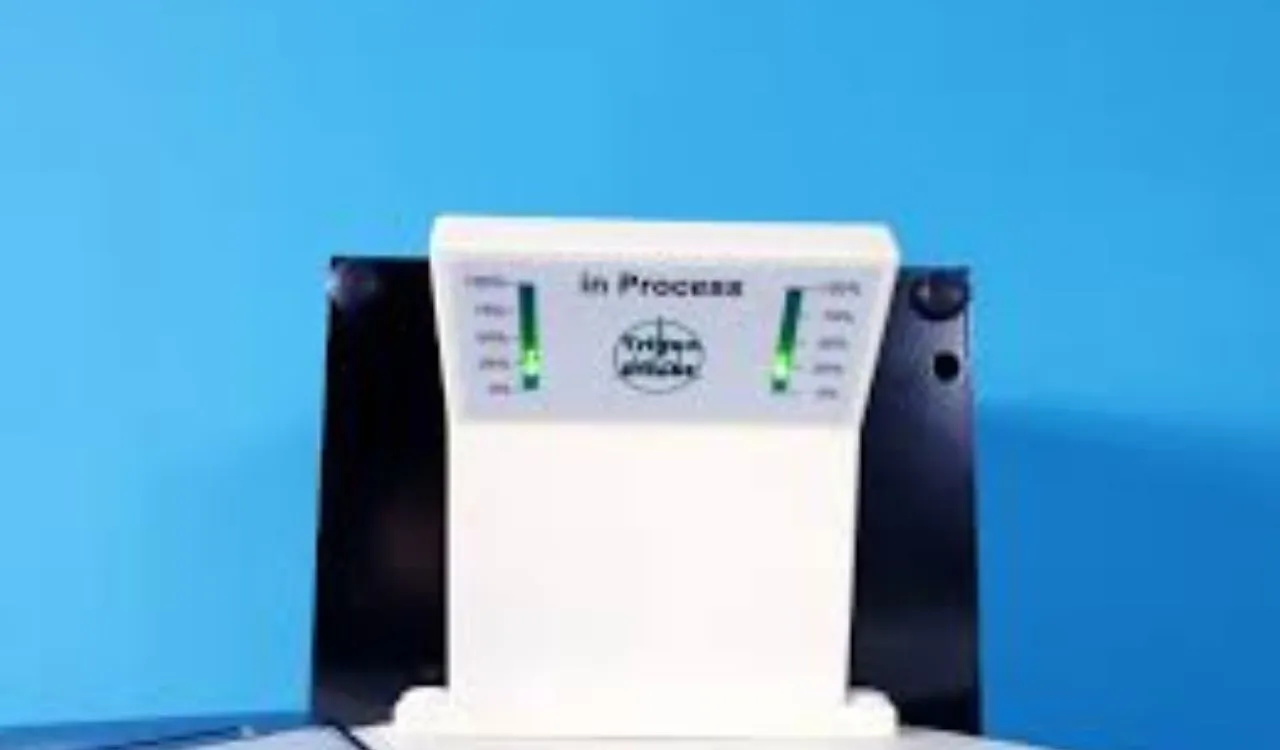
A typical pulsierende signal therapie session is straightforward and non-invasive. Patients usually sit or lie down comfortably while a device is placed near the affected area. There are no injections, no surgery, and no discomfort during the process.
Sessions generally last between 30ando 60 minutes. Depending on the condition, multiple sessions are often recommended over a period of time.
I once spoke with someone who tried it for knee pain after years of discomfort. After several sessions, they noticed a slight improvement,but even they admitted it was hard to say whether it was the therapy or just natural variation. That kind of mixed experience is quite common.
Scientific studies and current research
When evaluating any medical treatment, research matters. And this is where pulsierende signal therapie becomes controversial. While some studies suggest possible benefits, the overall evidence remains limited.
Many available studies are small or lack strong methodology, making it difficult to draw firm conclusions. Larger, independent clinical trials are still needed to confirm its effectiveness.
Organizations like the National Center for Biotechnology Information provide access to research that often highlights these limitations. For patients, this means staying cautious and not relying solely on marketing claims.
Criticism of pulsierende signal therapie
Critics of pulsierende signal therapie often point to the lack of solid scientific validation. Without clear evidence, it becomes difficult to classify it as a proven medical treatment.
Another concern is how it is sometimes marketed. Promises of wide-ranging benefits can create unrealistic expectations, especially for people dealing with chronic pain.
Even sources like Wikipedia emphasize that its effectiveness has not been conclusively demonstrated. That doesn’t automatically make it ineffective,but it does mean it should be approached with a balanced and informed mindset.
Benefits and potential risks
One of the main advantages of pulsierende signal therapie is that it is non-invasive. There are no surgical procedures involved, and side effects appear to be minimal. For many people, that alone makes it an appealing option.
Some patients report temporary relief from pain or improved mobility. Even a small improvement can make a big difference in daily life, especially for chronic conditions.
However, the uncertainty around its effectiveness is a real drawback. There is a possibility of investing time and money without seeing meaningful results. It should never replace essential medical treatments recommended by healthcare professionals.
Cost and availability
Cost is an important factor to consider. Pulsierende signal therapie is typically not covered by standard health insurance plans, meaning patients often pay out of pocket.
Prices vary depending on the provider and the number of sessions required. Since multiple sessions are usually needed, the total cost can add up quickly.
The therapy is generally available in specialized clinics or alternative medicine centers. It tends to be more accessible in larger cities, while smaller areas may have limited options. Researching providers beforehand is always a smart move.
Alternatives to pulsierende signal therapie
If you’re unsure about pulsierende signal therapie, there are several alternatives worth considering. Physiotherapy remains one of the most widely recommended treatments for joint and muscle issues.
Medications can help manage pain and inflammation, especially in more severe cases. For long-term conditions, doctors may suggest lifestyle changes or targeted exercises.
Other alternative treatments, such as acupuncture or heat therapy,y may also provide relief for some individuals. The key is to explore options with professional guidance rather than relying on a single approach.
Conclusion on pulsierende signal therapie.
Pulsierende signal therapie sits in an interesting space between innovation and uncertainty. On one hand, it offers a non-invasive approach that many people find appealing. On the other hand, it lacks strong scientific backing.
For some individuals, it may serve as a complementary option alongside traditional treatments. But it’s important to keep expectations realistic and avoid viewing it as a guaranteed solution.
Ultimately, the best approach is an informed one. Understanding both the potential benefits and limitations allows you to make a decision that’s grounded in knowledge,not just hope.
Frequently Asked Questions
How long does a session take?
Most sessions last between 30 and 60 minutes, depending on the treatment plan.
Is the therapy painful?
No, it is generally painless and often described as relaxing.
Are there side effects?
Side effects are rare, but it’s always best to consult a healthcare provider before starting.
When do results appear?
Results vary. Some people notice changes quickly, while others may not see any improvement.
