
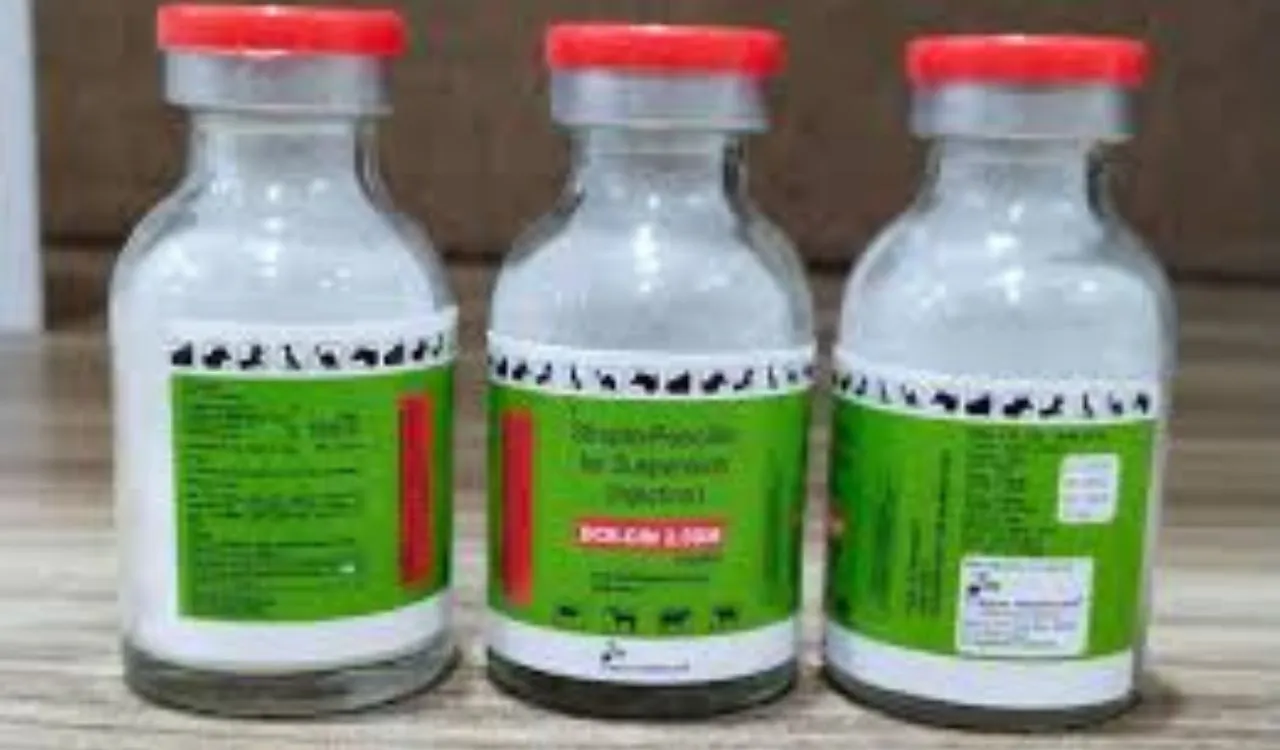
I’ve worked with enough livestock cases to know one thing for sure,when infections hit, they don’t wait. Whether it’s a cow struggling with mastitis o
I’ve worked with enough livestock cases to know one thing for sure,when infections hit, they don’t wait. Whether it’s a cow struggling with mastitis or a horse dealing with respiratory issues, the need for a fast, reliable treatment becomes urgent. That’s exactly where Strepto Penicillin comes into the picture. It’s not just another antibiotic; it’s a powerful combination that tackles a wide range of bacterial infections when time and effectiveness matter most.
From my experience and observations, what makes this combination stand out is how it brings two different mechanisms together. One targets Gram-positive bacteria, the other goes after Gram-negative ones. In simple terms, it covers more ground than most single antibiotics. And when you’re dealing with animals that can’t exactly tell you what’s wrong, that broad-spectrum reliability becomes incredibly valuable.
I’ve also noticed that many farmers and even some pet owners underestimate how important the right antibiotic choice is. It’s not just about treating symptoms,it’s about stopping the infection at its root and preventing it from coming back stronger. That’s why understanding how this medication works, when to use it, and what to expect from it can make all the difference in real-world situations.
What Is Strepto Penicillin and Why Does It Matter in Veterinary Medicine
Strepto Penicillin is not just a single drug,it’s a strategic combination of two antibiotics: streptomycin and penicillin. Together, they create a broad-spectrum treatment designed specifically for veterinary use. This combination is commonly used in cattle, horses, sheep, goats, and even some companion animals when bacterial infections become a serious concern.
Why does it matter so much in veterinary medicine? Because animals often show symptoms late. By the time an infection is visible, it may already be spreading internally. Streptococcal penicillin helps address this challenge by targeting multiple types of bacteria at once, reducing the risk of treatment failure.
It’s especially valuable in farm settings where infections like mastitis or respiratory issues can impact multiple animals. Instead of trial and error with different antibiotics, this combination offers a more reliable first-line approach. That’s why many veterinarians consider it a practical and efficient solution.
Composition of Strepto Penicillin and How It Works
The effectiveness of Strepto Penicillin comes down to its dual-action formula. Streptomycin, one of its components, works primarily against Gram-negative bacteria. It interferes with protein synthesis inside bacterial cells, essentially stopping them from growing and multiplying.
On the other hand, penicillin targets Gram-positive bacteria. It disrupts the formation of bacterial cell walls, causing the bacteria to weaken and eventually die. When these two antibiotics are combined, they create a synergistic effect,meaning they work better together than they would separately.
Think of it like covering both doors and windows when trying to secure a house. You’re not leaving gaps. This is especially useful in veterinary medicine, where infections are often mixed or unidentified. The combination ensures a wider safety net, giving animals a better chance at recovery without delay.
Types of Bacterial Infections Treated by Strepto Penicillin
One of the biggest advantages of streptococcal penicillin is its versatility. It’s used to treat a wide range of bacterial infections that commonly affect livestock and animals. Respiratory infections, for example, are a major concern in cattle and horses, especially in changing weather conditions.
Mastitis is another key area where this antibiotic is frequently used. Dairy farmers know how damaging mastitis can be,not just for the animal, but also for milk production. Streptococcal penicillin helps control the infection quickly, reducing long-term damage.
It’s also used for wound infections, septicemia, and gastrointestinal bacterial issues. In many cases, these infections don’t come with clear labels. That’s where the broad-spectrum nature of strepto penicillin becomes crucial. It allows treatment to begin immediately, even when the exact bacteria haven’t been identified yet. Streptococcal Penicillin Uses in Different Animals
The application of streptococcal penicillin varies depending on the type of animal, but the goal remains the same: to eliminate infection efficiently. In cattle, it’s widely used for treating mastitis, pneumonia, and post-surgical infections. Farmers often rely on it to maintain herd health and productivity.
For horses, respiratory infections and wound management are common use cases. Horses are particularly sensitive to infections due to their environment, making early treatment essential.
Sheep and goats also benefit from this antibiotic, especially in cases of bacterial pneumonia and digestive infections. Even pets, in certain situations, may receive streptococcal penicillin under veterinary supervision.
Each animal responds differently, but the consistent factor is the need for proper diagnosis and dosage. That’s where veterinary guidance becomes non-negotiable.
Dosage Guidelines and Administration Methods
Strepto Penicillin is typically administered through intramuscular injection. This method ensures that the medication enters the bloodstream efficiently, allowing it to act quickly against infections. The dosage, however, is not one-size-fits-all.
It depends on several factors,animal type, weight, severity of infection, and overall health condition. That’s why professional guidance is critical. Overdosing can lead to complications, while underdosing may not effectively eliminate the infection.
In most cases, the treatment is given over several days, and consistency is key. Skipping doses or stopping early can reduce effectiveness and contribute to antibiotic resistance.
A small but important tip? Always monitor the animal after administration. Subtle changes in behavior or appetite can provide early signs of how well the treatment is working.
Key Benefits of Using Strepto Penicillin
There’s a reason streptomycin has remained widely used in veterinary medicine,it delivers results. Its broad-spectrum coverage means it can handle multiple bacterial threats at once, reducing the need for multiple medications.
Another major benefit is its speed. In many cases, animals begin to show improvement within a short period. That quick response can make a big difference, especially in severe infections.
It’s also relatively cost-effective, which matters a lot in farm environments where treating multiple animals can become expensive. Instead of experimenting with different drugs, this combination offers a reliable starting point.
And let’s not forget the practical side,less trial and error means less stress for both the animal and the owner. That alone makes it a preferred choice in many real-world situations.
Side Effects and Safety Considerations
No medication is completely risk-free, and streptococcus penicillin is no exception. While it’s generally safe when used correctly, some animals may experience side effects. Mild reactions can include swelling at the injection site or temporary discomfort.
In rare cases, allergic reactions may occur. These can be more serious and require immediate veterinary attention. That’s why it’s always recommended to observe the animal after administration, especially during the first dose.
Another important consideration is antibiotic resistance. Overuse or misuse of streptococcal penicillin can reduce its effectiveness over time. This is not just a theoretical risk,it’s a growing concern in veterinary medicine.
Responsible use is the key. Follow dosage guidelines, complete the full course, and avoid using antibiotics without a proper diagnosis. It’s simple advice, but it makes a big difference.
Streptococcus Penicillin vs Other Veterinary Antibiotics
When compared to single antibiotics, streptocillin offers a clear advantage,broader coverage. Single antibiotics are often effective against specific types of bacteria, but they may fall short when infections are mixed or unclear.
Combination antibiotics like streptomycin and penicillin reduce that uncertainty. They provide a wider safety net, making them more effective in complex cases. However, that doesn’t mean they’re always the best choice.
In some situations, a targeted antibiotic may be more appropriate, especially when the exact bacteria have been identified. The decision ultimately depends on the condition, diagnosis, and veterinary recommendation.
It’s not about choosing the strongest option,it’s about choosing the right one. And in many cases, streptococcal penicillin happens to be the right choice.
A Real Case Where Timing Made All the Difference
A dairy farmer once noticed one of his cows showing early signs of mastitis. Nothing too dramatic,just a slight drop in milk production and mild swelling. It could have been ignored. Many would have waited.
But he didn’t. With veterinary advice, he started treatment using streptomycin immediately. Within days, the condition improved, and the cow recovered without complications.
Now imagine the alternative. Delay the treatment, let the infection spread, and suddenly you’re dealing with severe mastitis, reduced productivity, and higher costs.
That’s the difference timing,and the right antibiotic,can make. It’s not just about treatment. It’s about acting before things get worse.
Conclusion
Streptococcal penicillin stands out as a reliable and practical solution in veterinary medicine. Its combination formula provides broad-spectrum coverage, making it effective against a wide range of bacterial infections in animals.
But effectiveness alone isn’t enough. Responsible use, proper dosage, and veterinary guidance are what truly make a difference. When used correctly, this antibiotic can save time, reduce complications, and improve recovery outcomes.
At the end of the day, it’s not just about treating infections. It’s about protecting animal health, maintaining productivity, and making informed decisions that benefit both animals and those who care for them.
Frequently Ask Questions
What is Strepto Penicillin used for?
It is used to treat bacterial infections in animals such as mastitis, pneumonia, wound infections, and septicemia.
Is Streptococcus penicillin safe for all animals?
It is generally safe when used under veterinary supervision, but dosage and suitability vary depending on the animal.
How fast does streptomycin work?
Many animals show improvement within a few days, but the full course must be completed for effective treatment.
Can streptococcus penicillin be used without a vet?
It is not recommended. Proper diagnosis and dosage require professional guidance to avoid complications.
What happens if a dose is missed?
Missing doses can reduce effectiveness and may lead to incomplete treatment, increasing the risk of resistance.
