
There’s something oddly fascinating about grey amber—the kind of ingredient that feels more like a secret than a substance. I remember the first time
There’s something oddly fascinating about grey amber—the kind of ingredient that feels more like a secret than a substance. I remember the first time I came across it while exploring the world of luxury fragrances. At first, it sounded almost mythical. A rare material formed inside the depths of the ocean, connected to whales, yet somehow ending up in some of the most refined perfumes on the planet. It didn’t just spark curiosity—it pulled me in completely.
As I started digging deeper, I realized grey amber isn’t just about scent. It’s about transformation, time, and rarity. What begins as a byproduct inside the digestive system of a Sperm Whale slowly evolves into something incredibly valuable, developing layers of aroma that shift from harsh and raw to warm, musky, and almost hypnotic. It’s one of those natural processes that feels almost unbelievable until you truly understand it.
And that’s exactly why I wanted to explore it further—not just as a perfume ingredient, but as a story. From its mysterious origins to its modern-day alternatives like Ambroxan, grey amber sits at the intersection of nature, science, and luxury. The more I learned, the more I realized—this isn’t just a topic, it’s an experience worth uncovering.
What Is Grey Amber and Why Is It So Valuable
Grey amber, commonly known as ambergris, is a waxy substance that originates within the digestive system of the Sperm Whale. While its origin may seem unusual, its final form is far from unpleasant. Over time, exposure to sunlight, saltwater, and oxygen transforms it into a smooth, fragrant material highly valued across industries.
Its value lies in rarity. Only a small percentage of whales produce it, and even fewer pieces are discovered by humans. This limited availability naturally drives demand, especially in high-end perfumery. Unlike typical ingredients, grey amber improves with age, making older pieces significantly more valuable.
Another reason for its high worth is its ability to enhance fragrances. It acts as a fixative, allowing scents to last longer and develop more complexity. Combined with its natural origins and luxurious reputation, grey amber has earned the nickname “floating gold,” capturing both its scarcity and its prestige in the global market.
The Fascinating Origin of Grey Amber Inside the Ocean
The origin of grey amber is one of nature’s most intriguing processes. It begins inside the digestive system of sperm whales, where indigestible materials trigger the formation of a protective substance. Initially, this material has a strong and unpleasant odor, far from the refined scent it later develops.
Once expelled into the ocean, the transformation truly begins. Floating across vast distances, grey amber is exposed to sunlight, seawater, and air. These elements slowly break down its harsh components, turning it into a smoother, more aromatic substance. This process can take years, sometimes even decades.
The journey from deep ocean to shoreline adds another layer of rarity. Not every piece survives the journey, and even fewer are discovered. This long and unpredictable process is what gives grey amber its unique character. It is not just a product of biology, but also a result of time, environment, and chance working together in harmony.
Why Grey Amber Smells So Unique and Complex
The scent of grey amber is unlike anything else found in nature. At first encounter, it may not seem extraordinary, but give it a moment, and it begins to unfold in layers. The fragrance evolves slowly, revealing a combination of musky, sweet, and slightly woody notes that linger in the air.
What makes it so unique is its transformation over time. Fresh ambergris has a harsh, almost unpleasant smell, but as it ages, it develops a soft, warm aroma. Many describe it as having hints of tobacco, earth, and ocean air all blended. This complexity is what makes it so valuable in perfumery.
Another fascinating aspect is how it interacts with other scents. Grey amber does not overpower; instead, it enhances. It brings balance and depth, allowing other fragrance notes to shine while adding its own subtle signature. This delicate harmony is why perfumers consider it an irreplaceable ingredient, even in the presence of modern alternatives.
Grey Amber in the Perfume Industry: A Luxury Ingredient
In the world of fine fragrances, grey amber holds a special place. It is not just another ingredient; it is a cornerstone of luxury perfumery. Perfumers value it for its ability to stabilize and enhance scents, ensuring that fragrances last longer and evolve beautifully on the skin.
Its role as a fixative is particularly important. Without it, many perfumes would fade quickly, losing their depth and complexity. Grey amber allows scents to develop over time, creating a more immersive experience for the wearer. This is especially important in high-end perfumes, where longevity and richness are key selling points.
Despite the rise of synthetic substitutes like Ambroxan, natural grey amber remains highly sought after. Its authenticity and uniqueness cannot be fully replicated. For luxury brands, using real grey amber is not just about performance—it is about storytelling, heritage, and offering something truly rare to their audience.
Real Grey Amber vs Synthetic Alternative:s What You Should Know
As demand for grey amber grew, the need for sustainable and ethical alternatives became clear. This led to the development of synthetic compounds such as Ambroxan, which mimic the scent and function of natural ambergris without relying on animal sources.
The differences between the two are subtle yet significant. Natural grey amber has a depth and complexity that evolves, while synthetic alternatives tend to be more consistent but less dynamic. For everyday fragrances, synthetic versions work well, offering affordability and ethical peace of mind.
However, for luxury perfumery, natural grey amber still holds an edge. Its unpredictability and richness add a level of exclusivity that synthetics struggle to match. Choosing between the two often comes down to personal preference, budget, and values. Both have their place, but the mystique of real grey amber remains unmatched.
The Price of Grey Amber: Why It Is Called Floating Gold
Grey amber is often referred to as “floating gold,” and for good reason. Its price can reach thousands of dollars per kilogram, depending on its quality, age, and scent profile. This makes it one of the most expensive natural substances in the world.
Several factors influence its value. Older pieces with a smooth texture and pleasant aroma are considered the most valuable. Color also plays a role, with lighter shades typically commanding higher prices. Each piece is unique, which adds to its exclusivity and appeal.
There are even stories of individuals discovering grey amber on beaches and selling it for life-changing amounts. One such case involved a fisherman who stumbled upon a large piece and later sold it for a fortune. These rare finds contribute to its legendary status, reinforcing its reputation as a hidden treasure waiting to be discovered.
Legal and Ethical Aspects of Grey Amber Around the World
The legality of grey amber varies across different countries, making it a complex topic. In some regions, it is perfectly legal to collect and sell it, while in others, strict regulations are in place due to wildlife protection laws.
These regulations often stem from the connection between ambergris and the Sperm Whale, a protected species. Even though grey amber is naturally expelled and does not harm the whale, its association raises ethical concerns. Governments aim to prevent illegal trade and protect marine life.
From an ethical perspective, many consumers prefer synthetic alternatives to avoid any potential harm to wildlife. However, others argue that collecting naturally occurring grey amber does not negatively impact whales. This ongoing debate highlights the importance of awareness and responsible sourcing in the industry.
How to Identify Real Grey Amber vs Fake Products
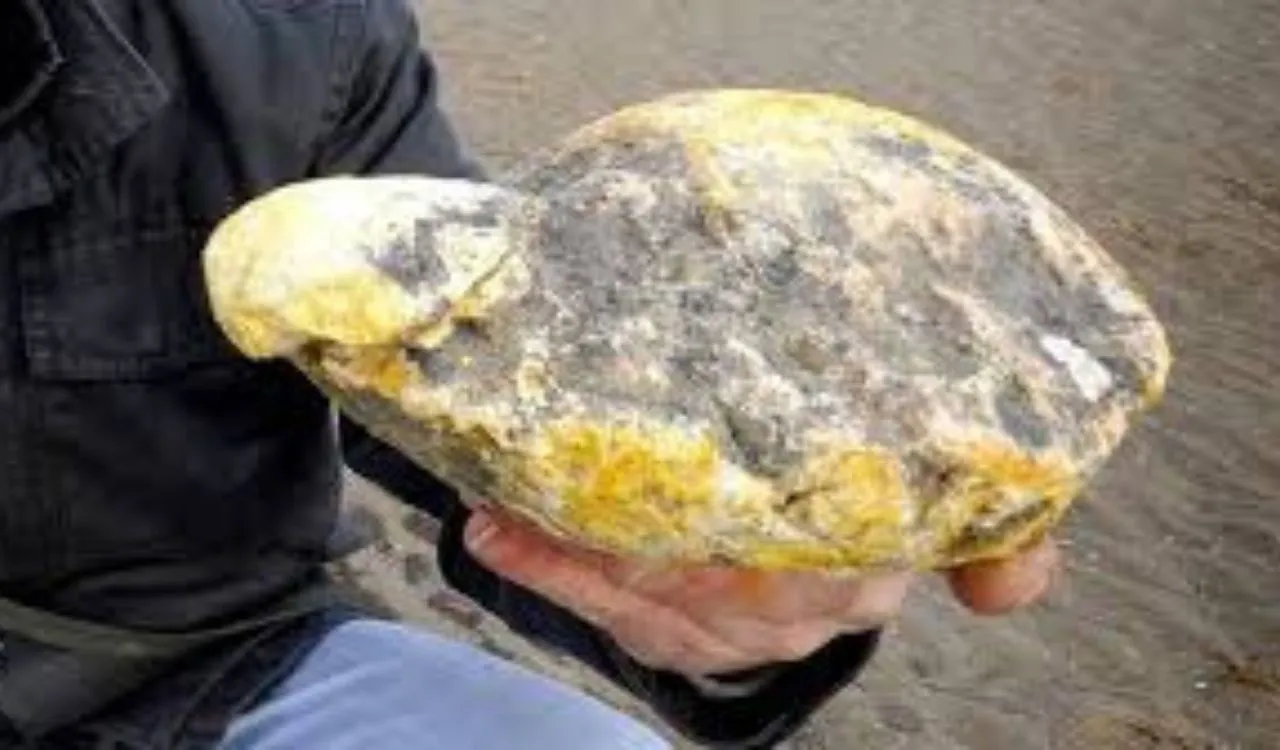
Identifying real grey amber can be challenging, especially for those unfamiliar with its characteristics. Genuine pieces often have a waxy texture and a slightly irregular shape. Their color can range from grey to dark brown, sometimes with a marbled appearance.
One simple test is the smell. Real grey amber has a subtle, pleasant aroma that becomes more noticeable when warmed. Fake versions often have a strong, artificial scent that lacks depth. Another method involves observing how it reacts to heat. Authentic ambergris softens slightly without melting completely.
Weight and buoyancy can also offer clues. Grey amber tends to float in saltwater, which is one of the reasons it can travel long distances across oceans. While these tests are helpful, professional evaluation is often required for accurate identification, especially when dealing with high-value pieces.
Interesting Facts About Grey Amber That Most People Don’t Know
Grey amber is full of surprises, making it one of the most fascinating natural substances. For instance, it has been used for centuries in incense and traditional medicine, long before its role in modern perfumery was recognized. Ancient civilizations valued it not only for its scent but also for its supposed healing properties.
Another interesting fact is how unpredictable its discovery can be. People have found grey amber on beaches while taking casual walks, turning an ordinary day into an extraordinary one. These unexpected finds contribute to its almost mythical reputation.
Perhaps the most intriguing aspect is its ability to age like fine wine. The longer it remains in the ocean, the better its quality becomes. This slow transformation adds to its uniqueness, ensuring that no two pieces are ever exactly alike. It is nature’s way of creating something truly one of a kind.
Modern Uses of Grey Amber Beyond Perfumes
While grey amber is best known for its role in perfumery, its uses extend beyond fragrances. It is sometimes incorporated into luxury products, including scented candles and niche cosmetic items, where its unique aroma adds a touch of sophistication.
In aromatherapy, grey amber is valued for its calming and grounding properties. Its scent is believed to promote relaxation and enhance mood, making it a popular choice for high-end wellness products. Though not as common as other essential oils, it holds a special place in premium offerings.
Additionally, grey amber has found its way into artistic and cultural expressions. From rare collectibles to symbolic representations of luxury, it continues to inspire creativity. Its versatility ensures that it remains relevant, even as industries evolve and new alternatives emerge.
Conclusion
Grey amber is more than just a substance; it is a story shaped by nature, time, and chance. Its journey from the depths of the ocean to the world of luxury fragrances is nothing short of remarkable. This transformation is what makes it so captivating.
Despite the availability of synthetic alternatives, the allure of natural grey amber remains strong. Its rarity, complexity, and connection to the natural world give it a unique charm that cannot be easily replaced. For many, it represents the perfect blend of science and mystery.
In the end, grey amber continues to inspire curiosity and admiration. Whether discovered on a remote beach or experienced through a fine fragrance, it leaves a lasting impression. And perhaps that is its true value—not just in price, but in the sense of wonder it brings to those who encounter it.
Freuently Ask Questions
What is grey amber used for?
Grey amber is mainly used in perfumery as a fixative that helps fragrances last longer and develop richer scent layers.
Why is grey amber so expensive?
Its rarity, natural origin, and unique aging process make it one of the most valuable materials in the fragrance industry.
Is grey amber legal to own?
It depends on the country. Some allow it, while others restrict it due to its association with protected whale species.
Does grey amber come from a whale?s
Yes, it forms in the digestive system of the Sperm Whale and is later expelled into the ocean.
What does grey amber smell like?
It has a complex scent with musky, sweet, woody, and slightly earthy notes that evolve.
