
The safety of children who are travelling in and out of school is very important to all parents and guardians. Despite the fact that school buses are
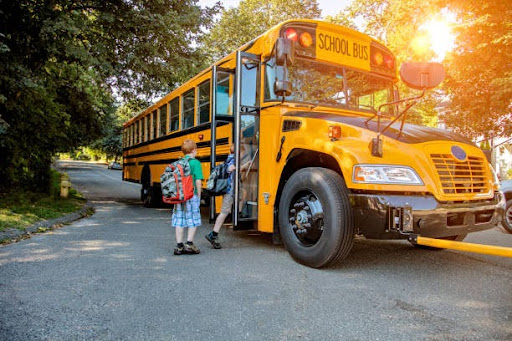
The safety of children who are travelling in and out of school is very important to all parents and guardians. Despite the fact that school buses are the safest modes of road transportation, the current debate and dynamic legislation on seat belts tend to be confusing. Laws regarding the use of seat belts in specific home-to-school transport are not the same as in the case of the use of seat belts in the public service vehicles or personal cars in the UK. Being aware of such regulations as a parent implies being aware of what rights one has, what to expect of an operator, and it is significant to one peace of mind and successful advocacy. This guide will explain some of the basic rules which every parent needs to understand about safety on board a dedicated Bus Services For Schools, equipping you with the knowledge of what questions to ask and how best to ensure compliance.
The Legal Distinction Dedicated vs. Public Service Vehicles
An important starting point is the legal difference between dedicated school transport and regular public service buses. Vehicles which are used only for carrying children to and from school, often by contract on a specified route, have special rules. On dedicated services, children aged 3 to 15 inclusive, must be offered seat belts if fitted, and they must use them. That is a compulsory requirement. However, on a bus that may be used by school pupils operating on a registered local service, there is only a legal obligation to wear a fitted belt for passengers aged 14 years and above, so younger children on public buses do not have this legal protection.
Operator Responsibilities for Maintenance and Enforcement
The legal responsibilities of the transport provider are very extensive. The provider has a legal duty to ensure all fitted seat belts are maintained in good working condition. It is also under a duty to have clear policies and to take “reasonable steps” to ensure passengers use the belts. This latter generally means that drivers are briefed to deliver safety messages and, in most cases, the driver or a dedicated passenger assistant (escort) enforces the requirement. Operators also have to supply relevant information to schools and parents on their safety policies. Breach of these responsibilities can lead to prosecution of the operator and insurance may be invalidated if there is an accident.
The Issue of Three-Point Belts vs. Lap Belts
Not all seat belts are equal. Most older coaches and buses are fitted with simple two-point lap belts. While these prevent ejection, they offer much less protection against abdominal and spinal injuries in certain crashes than three-point (diagonal and lap) harnesses. Newer vehicles are increasingly being fitted with three-point belts. Parents should ask what kind of belts are fitted on their child’s service. While the law only requires the use of what is fitted, knowing the difference empowers parents to request higher standards when co, contracts come up for renewal or to make more informed choices where options exist.
Exceptional Circumstances and Legal Exemptions
The above rules about seat belts do have several exceptions but these are extremely limited. A child may be exempt on medical grounds but this generally needs to be supported by a formal certificate from a doctor. If all belted seats are occupied, there are very rare occasions when a child may legally sit in an unbelted seat but they must be aged 3 or over and the unbelted seats must only be in the rear. However, good practice, and most operator policies, strive to avoid this completely by ensuring sufficient belted seating for all registered passengers. It is important to confirm with the operator that overbooking,,g which could lead to this scenario, is not their practice.
Conclusion
Being a good parent in today’s world involves understanding school bus seat belt rules. In summary, this is the “if fitted, must wear” mandate for dedicated services, and clarity provides the parent with the ability to ensure their child is never subjected to compromised safety. By playing your part in educating the child, knowing what the operators and escorts must do, and how to address any concerns you may have appropriately, you will be an active partner in the safety of children. Such knowledge brings priceless peace of mind, with every journey to and from school being made with the highest practicable level of protection, enabling children to travel securely within this vital community service.
