
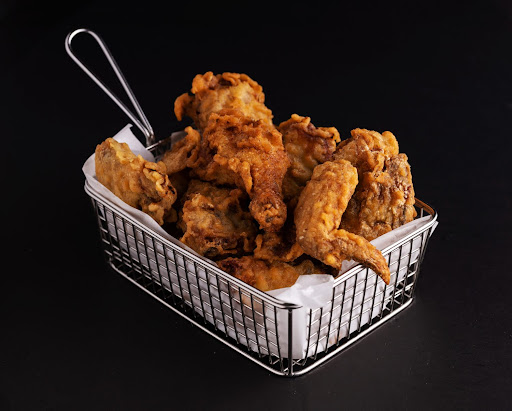
A batch of chicken wings that come out with flesh so soft it gives way at the slightest touch and skin so crisp it sings when you bite into it is one
A batch of chicken wings that come out with flesh so soft it gives way at the slightest touch and skin so crisp it sings when you bite into it is one of the most pleasant things to make in the kitchen. It takes preparation, culinary science, and wing respect to achieve this equilibrium.
The best chicken wings are juicy within, crispy outside, and well-seasoned throughout. Enjoy them during a garden party, game night feast, or a night of self-indulgence. You must be patient, have strong intuition, and approach fundamental food like a talent to perfect them. Here we will discuss the top tips to make juicy and crispy chicken wings.
Selecting the Right Wings: Where Texture Begins
Choosing the wings itself is the most important step before adding spices, frying, or sauce. Good wings have a natural plumpness, with skin that feels soft instead of tight and meat that stays moist even before cooking. The ideal wings aren’t too big or too little.
Extreme sizes might mean that the birds were grown too quickly or too slowly. When you choose wings carefully, they reward you by holding onto their juices and taste better while getting a crispy outside. The route to crispy skin starts with the wing’s integrity, and a cook who knows this regards selection as the first and most important step.
The Moisture Factor: Why Drying the Skin Transforms Texture
Moisture on the skin is the worst thing for crispy wings. If wings have droplets of water on them when they go into the oven, air fryer, or oil, they won’t be able to crisp up as well. Letting the wings dry by blotting, putting them in the fridge, or just letting them sit out in the air generates a surface that can blister, tighten, and crisp.
When heat hits dry skin, it turns soft fowl into golden, glass-like layers of crunch. This step of drying also helps spices stick better, so every mouthful has as much taste as texture. Enjoy mouthwatering flavors with our BBQ chicken wings takeaway.
Marinating, Brining and Seasoning: Building Flavor From the Inside Out
Flavor doesn’t only sit on top of a wing; it goes deep into its fibers. Some cooks use dry spices that they brush into the wrinkles and crevices of the skin. This lets the salt pull moisture out and then go back into the meat. Some people use brines or marinades that add flavor to the wings using herbs, citrus, spices, or other strong flavors.
Salt, in whatever form, is what makes things juicy. It changes the structure of proteins so that they can keep moisture even when it’s really hot. This makes the finished wings juicy instead of dry. Seasoning isn’t just for looks; it’s a part of the wing’s structure that can be felt in every layer long after the first coat is put on.
Oven vs. Air Fryer vs. Deep Fryer: The Great Wing Debate
There is a theory behind each way of cooking. The oven gives the patient chef wings that get crispy as the skin dries up slowly, which adds a rich, roasted taste. People adore the air fryer because it’s so easy to use. It works like deep-frying but uses mostly hot air to get a quick, crisp. The deep fryer is the traditional tool for wing aficionados.
It wraps the skin in hot oil that locks in the juices right away and makes the crunchiest wings possible. There is a different kind of brilliance in each process, but the key to all three is to respect temperature regulation. When the cook knows that the proper temperature at the right time may modify every part of the texture, wings get the crispiest.
Resting the Wings: The Overlooked Phase of Culinary Patience
It’s hard to wait to eat wings right after they come out of the oven, but they taste better if you let them sit for a minute. Resting lets the fluids settle, the steam evaporate, and the skin contracts into its final shape. This little break turns the wings from just cooked to exquisite.
In these few minutes, the moisture inside the meat spreads out evenly, so that quick bites don’t release all the fluids too soon. The skin gets even crispier when the steam contained in it escapes, which makes the wing’s texture better overall. Not only are the greatest wings prepared with care, but they are also given a moment of peace before being eaten.
Saucing Strategy: Keeping the Crunch Alive
ot buffalo, sweet honey-garlic, and smokey barbecue sauces make wings taste great. Sauce must be used cautiously. If applied too soon or too much, it wets the skin and loses crispness.
After the wings have crisped and rested, adding sauce creates a glossy sheen that improves texture. A wing with plenty of sauce is juicy and flavorful without losing its sharpness.
Serving Wings Hot: Preserving the Texture You Worked So Hard For
Wings are permanent creatures. They must be served immediately when crisp and juicy. Perfectly cooked wings may lose flavor and energy as they cool. Serve them hot to maintain the crunchy shell and soft flesh contrast. Wing presentation matters too. Airflow surrounding them prevents steam from building up below them, keeping them crispy and irresistible.
Conclusion
Perfect chicken wings do not rely on luck but on understanding. Juicy meat and crispy skin result from talent, patience, and dedication to the ingredients. The experience is affected by every stage, from choosing plump, high-quality wings to drying the skin, seasoning, removing fat, regulating heat, and saucing precisely.
This much attention turns wings from sustenance to a display of contrast and talent. A cook who knows these guidelines creates a moment, a memory, and a compelling reason for guests to order another wing.
