
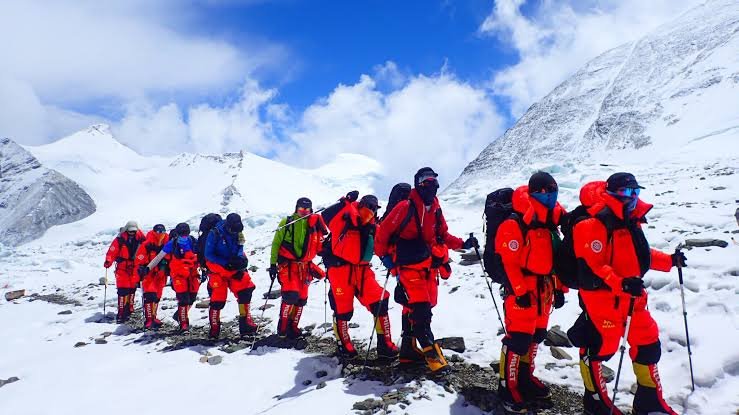
Imagine standing in a place where the air is thin, the landscape is nothing but towering peaks and ancient glaciers, and Mount Everest feels close en
Imagine standing in a place where the air is thin, the landscape is nothing but towering peaks and ancient glaciers, and Mount Everest feels close enough to touch. It’s not the summit, and that’s exactly what makes it so fascinating. Welcome to Advanced Base Camp, one of the highest places in the world that determined trekkers can reach without technical climbing.
For many adventure lovers, Everest Base Camp is the dream. But for those who crave something even more remote and extraordinary, Advanced Base Camp (ABC) offers a deeper glimpse into the world of high-altitude mountaineering. Located on the northern side of Mount Everest in Tibet, this remarkable campsite serves as a crucial staging point for climbers preparing for their summit attempt while also attracting experienced trekkers looking for an unforgettable Himalayan experience.
If you’ve ever wondered what makes this camp so special, how it compares to Everest Base Camp, or whether it’s possible to visit without climbing Everest, you’re in the right place.
What Is Advanced Base Camp?
At first glance, the name might sound like just another campsite higher up the mountain. In reality, Advanced Base Camp is one of the most important locations on Mount Everest’s northern route.
Situated at approximately 6,400 meters (21,000 feet) above sea level, it acts as the primary operational camp for climbers attempting Everest from Tibet. Unlike traditional base camps, where expeditions organize equipment and supplies, Advanced Base Camp becomes the real working hub before climbers move toward the higher camps and eventually the summit.
For trekkers, reaching ABC is considered a significant achievement in itself. It pushes both physical endurance and mental resilience without requiring ropes, ice axes, or advanced climbing skills.
One of the most remarkable aspects of Advanced Base Camp is its setting. Surrounded by the vast East Rongbuk Glacier and dramatic Himalayan peaks, the camp offers breathtaking views that few places on Earth can match. The silence, broken only by the wind and shifting glacier ice, creates an atmosphere that’s difficult to describe until you’ve experienced it yourself.
Where Is Advanced Base Camp Located?
The world’s most famous Advanced Base Camp lies on the northern slopes of Mount Everest in the Tibet Autonomous Region of China.
Unlike the more widely known Everest Base Camp in Nepal, which sits on the southern side of the mountain, this camp is accessed through Tibet via the historic Rongbuk Valley.
The journey usually begins in Lhasa, the capital of Tibet, before travelers continue through spectacular Himalayan landscapes, passing high mountain passes, remote monasteries, and traditional Tibetan villages.
Eventually, trekkers arrive at Rongbuk Monastery, the highest monastery in the world and a popular stop before continuing toward Everest Base Camp (North). From there, the route follows the East Rongbuk Glacier, gradually climbing toward Advanced Base Camp.
This northern approach offers a completely different perspective of Everest compared to Nepal. Instead of lush forests and Sherpa villages, trekkers encounter vast alpine deserts, dramatic glacial valleys, and sweeping views that stretch for miles.
For photographers and nature lovers, the scenery alone makes the journey worthwhile.
Advanced Base Camp vs. Everest Base Camp: What’s the Difference?
One of the biggest misconceptions among travelers is assuming Everest Base Camp (EBC) and Advanced Base Camp (ABC) are the same destination.
They’re not.
Although both play important roles in Everest expeditions, they differ significantly in altitude, purpose, and accessibility.
| Feature | Everest Base Camp | Advanced Base Camp |
| Approximate Altitude | Around 5,150–5,364 meters | Around 6,400 meters |
| Purpose | Expedition preparation | High-altitude staging camp |
| Accessibility | Popular trekking destination | Challenging high-altitude trek |
| Technical Climbing Required | No | No (for trekking route), but demanding |
| Typical Visitors | Trekkers and climbers | Experienced trekkers and Everest expeditions |
Everest Base Camp is where most visitors end their trek. It provides a close look at Everest while remaining accessible to reasonably fit hikers.
Advanced Base Camp, however, demands considerably more endurance. The higher altitude means thinner oxygen levels, colder temperatures, and a much greater emphasis on acclimatization.
For many seasoned trekkers, reaching ABC represents the next level after completing Everest Base Camp.
Why Is Advanced Base Camp So Important for Everest Expeditions?
Every successful Everest expedition depends on careful planning, logistics, and gradual acclimatization. That’s where Advanced Base Camp becomes indispensable.
Rather than simply serving as another campsite, ABC functions as the expedition’s primary operational headquarters high on the mountain.
From here, climbers:
- Monitor weather conditions.
- Organize climbing equipment.
- Prepare oxygen supplies.
- Rest between rotations.
- Acclimatize before ascending.
- Coordinate summit strategies.
Because it’s positioned much closer to the higher camps, climbers can make repeated trips upward and return to ABC for recovery. This “climb high, sleep low” strategy helps the body adapt to decreasing oxygen levels while reducing the risk of altitude-related illnesses.
You’ll often find rows of expedition tents, communication equipment, medical stations, kitchens, and support staff working together to keep climbers prepared for the demanding days ahead.
For trekkers fortunate enough to reach the camp, it’s fascinating to witness the behind-the-scenes operations of a real Everest expedition.
The Trek to Advanced Base Camp: What to Expect
Reaching Advanced Base Camp isn’t something you decide to do on a whim.
The journey requires patience, careful planning, and respect for the mountain.
Most itineraries begin with several days in Lhasa, allowing travelers to adjust to Tibet’s already impressive elevation. From there, the route gradually gains altitude while passing breathtaking Himalayan scenery.
The trek itself typically includes:
- High mountain passes.
- Rocky glacial terrain.
- Long hiking days.
- Cold nighttime temperatures.
- Strong mountain winds.
- Stunning panoramic views of Everest.
Unlike many trekking routes that weave through forests and villages, the final stretch toward ABC feels raw and untouched. The landscape becomes increasingly barren, with glaciers, moraines, and towering ice formations replacing vegetation.
The higher you climb, the quieter everything becomes.
Many trekkers describe the experience as both physically exhausting and emotionally rewarding. Every step feels earned, and every glimpse of Everest seems more dramatic than the last.
One thing becomes clear very quickly: this isn’t simply a hike, it’s an adventure into one of the planet’s most extreme environments.
Altitude and Acclimatization: Why Taking It Slow Matters
At 6,400 meters (21,000 feet), Advanced Base Camp sits in an environment where oxygen levels are significantly lower than at sea level. Even experienced hikers can feel the effects of the altitude if they ascend too quickly.
That’s why acclimatization isn’t just recommended, it’s essential.
Most trekking itineraries are designed with gradual elevation gains and planned rest days. This gives your body time to adapt to the thinner air and lowers the risk of altitude sickness.
Common symptoms of altitude-related illness include:
- Headaches
- Fatigue
- Shortness of breath
- Dizziness
- Loss of appetite
- Difficulty sleeping
Ignoring these warning signs can lead to more serious conditions, so listening to your body is just as important as following the trail.
Hydration, proper nutrition, a steady pace, and avoiding unnecessary exertion all play a key role in helping trekkers adjust to the demanding conditions. While the destination is unforgettable, reaching it safely should always be the top priority.
Best Time to Visit Advanced Base Camp
Choosing the right season can make or break your journey to Advanced Base Camp. While Everest is spectacular year-round, the weather at high altitude is anything but predictable. Clear skies can quickly turn into snowstorms, and strong winds are common even on sunny days.
Most trekking expeditions are planned during spring (April to May) and autumn (September to October). These months generally offer the most stable weather, better visibility, and safer trail conditions.
Spring is especially exciting because it’s the main Everest climbing season. If you’re lucky, you’ll see international expeditions preparing for summit attempts, creating an incredible atmosphere around the camps.
Autumn, on the other hand, often rewards trekkers with crisp mountain views, fewer crowds, and comfortable daytime temperatures.
Winter brings extreme cold and heavy snowfall, while the summer monsoon can affect travel routes and reduce visibility. Unless you’re joining a specialized expedition, these seasons are usually best avoided.
How Fit Do You Need to Be?
You don’t need to be a professional mountaineer to reach Advanced Base Camp, but you do need to arrive prepared.
The biggest challenge isn’t steep climbing; it’s spending several days hiking at extreme altitude where every step demands more energy than usual. Even experienced hikers are often surprised by how quickly they tire above 5,000 meters.
A good training plan should begin at least two or three months before your trip and include:
- Regular hiking with a loaded backpack
- Cardiovascular exercises such as running or cycling
- Leg-strength workouts
- Core and balance training
- Long-distance walks to improve endurance
Mental preparation matters too. Some days feel effortless, while others test your patience and determination. Weather changes, slow progress, and thin air are all part of the experience.
Approaching the trek with realistic expectations, and a willingness to take things one step at a time, can make the adventure far more enjoyable.
Permits, Travel Requirements, and Guided Treks
Unlike many trekking destinations, reaching Advanced Base Camp isn’t something you can do independently.
Since it’s located in the Tibet Autonomous Region, visitors typically need several permits in addition to a valid passport and Chinese visa. Travel regulations can change, so it’s important to check the latest requirements before planning your trip.
Most travelers join an organized trekking company because they handle:
- Tibet travel permits
- Transportation
- Accommodation
- Experienced local guides
- Support staff
- Meals during the trek
- Emergency logistics
Guided tours also provide valuable local knowledge about altitude management, weather conditions, and cultural etiquette.
Besides simplifying the paperwork, traveling with an experienced team adds an extra layer of safety in one of the world’s most remote mountain environments.
What Should You Pack for Advanced Base Camp?
Packing wisely is one of the smartest things you can do before heading into the Himalayas. Conditions can change rapidly, so layering your clothing is far more effective than relying on a single heavy jacket.
Your packing list should include:
- Insulated down jacket
- Waterproof shell jacket and trousers
- Thermal base layers
- Warm gloves and wool socks
- Sturdy waterproof trekking boots
- UV-protection sunglasses
- Sunscreen and lip balm
- Trekking poles
- Reusable water bottles or hydration system
- Headlamp with spare batteries
- Personal medications and a basic first-aid kit
The sun at high altitude is surprisingly intense, even when temperatures are close to freezing. Protecting your skin and eyes is just as important as staying warm.
Many trekkers also carry a camera with extra batteries because cold weather drains battery life much faster than expected.
The Landscape, Wildlife, and Cultural Experience
The trek to Advanced Base Camp isn’t only about reaching a high altitude, it’s also about experiencing one of the world’s most extraordinary mountain environments.
The landscape constantly changes as you climb. Rolling valleys gradually give way to rocky moraines, ancient glaciers, and dramatic ice formations. Every turn reveals another breathtaking view of snow-covered Himalayan peaks.
Wildlife may be limited compared to lower elevations, but observant trekkers sometimes spot Himalayan birds, yaks grazing in lower valleys, or small mountain mammals adapted to harsh alpine conditions.
Equally memorable is the cultural side of the journey. Passing through Tibetan villages and visiting Rongbuk Monastery offers a glimpse into traditions that have endured for centuries. Colorful prayer flags flutter in the mountain wind, monks continue daily rituals, and the peaceful atmosphere creates a meaningful contrast to the demanding trek.
For many travelers, these cultural moments become just as unforgettable as the views of Mount Everest itself.
Challenges and Safety Tips
Every great adventure comes with challenges, and Advanced Base Camp is no exception.
The combination of high altitude, unpredictable weather, and physically demanding terrain requires careful planning and good judgment.
To improve your safety:
- Ascend gradually and follow your itinerary.
- Stay hydrated throughout the trek.
- Eat regular meals, even if your appetite decreases.
- Dress in layers to adapt to changing temperatures.
- Pay attention to any signs of altitude sickness.
- Listen to your guide’s advice.
- Never push beyond your physical limits.
One common mistake is focusing so much on reaching the destination that people ignore how they’re feeling along the way. Remember, the mountain isn’t going anywhere. Taking an extra rest day is always a better choice than risking your health.
A successful trek isn’t measured by speed, it’s measured by returning home with incredible memories and a safe, rewarding experience.
Why Advanced Base Camp Captivates Adventurers
There’s something profoundly humbling about standing beneath the world’s highest mountain.
It’s not just the altitude or the dramatic scenery. It’s the realization that you’re walking the same route used by legendary Everest climbers, surrounded by landscapes that remain largely untouched by modern development.
Unlike many popular trekking destinations, Advanced Base Camp still feels remote and exclusive. Reaching it requires commitment, patience, and respect for nature, making the achievement all the more meaningful.
Whether you’re drawn by the challenge, the photography opportunities, the Himalayan culture, or simply the dream of getting closer to Everest, this journey leaves a lasting impression long after you’ve descended.
For many trekkers, it’s not about conquering a mountain, it’s about discovering what they’re capable of when they step outside their comfort zone.
Conclusion
Reaching Advanced Base Camp is far more than ticking another destination off a travel bucket list. It’s an opportunity to experience one of the highest trekking routes on Earth while gaining a deeper appreciation for the immense scale and beauty of Mount Everest.
From the dramatic glaciers and high-altitude landscapes to the fascinating role the camp plays in Everest expeditions, every part of the journey offers something memorable. Yes, the trek demands preparation, patience, and respect for the mountains, but the reward is an experience that few places in the world can match.
If you’re an experienced trekker looking for a challenge beyond the traditional Everest Base Camp route, Advanced Base Camp delivers breathtaking scenery, unforgettable moments, and a true sense of adventure. With the right planning, proper acclimatization, and a reliable guide, it can easily become one of the most remarkable journeys of your life.
Frequently Asked Questions
1. Can beginners trek to Advanced Base Camp?
While technical climbing skills aren’t required, the trek is best suited for experienced hikers because of the extreme altitude and demanding conditions.
2. How high is Advanced Base Camp?
The Everest Advanced Base Camp on the northern side of the mountain sits at approximately 6,400 meters (21,000 feet) above sea level.
3. Do I need climbing equipment to reach Advanced Base Camp?
No. Standard trekking to ABC doesn’t require ropes or technical climbing gear, but proper trekking equipment and warm clothing are essential.
4. How long does the trek to Advanced Base Camp take?
Most itineraries, including travel and acclimatization, take around 10–14 days, depending on the route and tour operator.
5. Is Advanced Base Camp harder than Everest Base Camp?
Yes. The significantly higher altitude and more remote terrain make Advanced Base Camp considerably more challenging than the traditional Everest Base Camp trek.
