
Finding the perfect trail running shoe isn't as simple as choosing the one with the best reviews. Every runner has different feet, running styles, an
Finding the perfect trail running shoe isn’t as simple as choosing the one with the best reviews. Every runner has different feet, running styles, and expectations. Some prioritize cushioning, while others care more about grip or stability. Then there’s another group altogether runners who want their feet to move as naturally as possible.
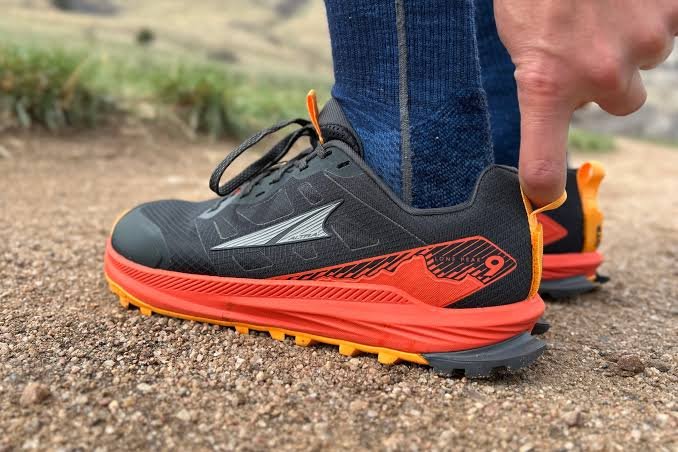
That’s exactly where the Altra Zero Drop Lone Peak stands out.
Over the years, the Lone Peak has built a loyal following among trail runners, hikers, backpackers, and outdoor enthusiasts. Instead of forcing your foot into a narrow shape or raising your heel above your toes, it embraces a natural running philosophy with a Zero Drop™ platform and Altra’s signature FootShape™ toe box.
The result? A shoe designed to let your feet spread naturally, encourage a balanced stride, and provide reliable traction across a wide range of terrain.
Whether you’re tackling technical mountain trails or spending long days hiking through forests, understanding what makes the Lone Peak different can help you decide if it’s the right companion for your next adventure.
What Makes the Altra Zero Drop Lone Peak Different?
At first glance, the Lone Peak looks like many modern trail running shoes. But once you slip it on, the differences become obvious.
Unlike traditional running shoes that place your heel several millimeters higher than your forefoot, the Altra Zero Drop Lone Peak keeps your heel and forefoot at the same height.
This design encourages a more natural body alignment from your ankles up through your knees, hips, and spine. Many runners find that it promotes a smoother midfoot or forefoot landing, although individual running mechanics will vary.
Another standout feature is Altra’s FootShape™ toe box.
Instead of squeezing your toes together, the shoe provides extra room for natural toe splay. That additional space can improve comfort on longer runs, especially when feet naturally swell during extended efforts.
Combined with lightweight cushioning and trail-focused grip, the Lone Peak offers a running experience that feels noticeably different from many conventional trail shoes.
Understanding the Zero Drop Design
The phrase “zero drop” often sparks curiosity, especially among runners trying Altra shoes for the first time.
Simply put, heel-to-toe drop refers to the height difference between your heel and the front of your foot.
Many traditional running shoes feature a drop ranging from 8 to 12 millimeters.
A zero-drop shoe has no height difference at all.
Your heel and forefoot remain level with the ground.
Why does that matter?
Supporters believe this design encourages:
- More natural posture
- Better foot engagement
- Improved balance
- A smoother stride
- Greater ankle mobility
However, switching immediately from high-drop shoes to zero-drop footwear isn’t always easy.
Your calves, Achilles tendons, and foot muscles may need time to adapt. That’s why many experienced runners recommend making the transition gradually rather than wearing zero-drop shoes for every run from day one.
Patience often leads to a much more comfortable adjustment.
The Famous FootShape™ Toe Box
Ask long-time Lone Peak users what they love most, and many will mention the toe box before anything else.
Unlike narrow performance shoes that compress the forefoot, Altra designs the Lone Peak with an anatomical shape that mirrors the natural outline of the human foot.
This allows your toes to spread more comfortably while running or hiking.
Benefits may include:
- Reduced pressure on the toes
- Better balance on uneven terrain
- Increased comfort during long-distance efforts
- More natural foot movement
- Less rubbing between toes
For runners with wider feet, bunions, or those who simply dislike cramped footwear, this extra room often becomes one of the biggest selling points.
Even hikers carrying heavy backpacks frequently appreciate the additional space after spending hours on rugged trails.
Cushioning and Comfort on Long Trails
Minimalist doesn’t necessarily mean uncomfortable.
Although the Lone Peak encourages natural movement, it still provides enough cushioning to handle long miles over dirt, gravel, roots, and rocky paths.
The midsole is designed to absorb repeated impacts while maintaining a stable feel underfoot.
Rather than creating an overly soft sensation, the cushioning aims for balance.
Many trail runners describe it as responsive without feeling overly plush.
That balance becomes especially valuable on longer adventures where excessive softness can sometimes reduce stability.
The shoe also remains relatively lightweight compared with many heavily cushioned trail models.
For ultramarathon runners, backpackers, and day hikers, reducing unnecessary weight can make a noticeable difference over dozens of miles.
Comfort, after all, isn’t only about softness it’s also about reducing fatigue over time.
Traction and Grip Across Different Terrain
Trail conditions can change quickly.
One mile might consist of compact dirt, while the next includes loose gravel, wet rocks, exposed roots, or muddy climbs.
That’s why outsole performance matters just as much as cushioning.
The Lone Peak is equipped with an aggressive trail outsole featuring multidirectional lugs designed to improve traction on varied surfaces.
It performs well across many common trail environments, including:
- Forest paths
- Rocky trails
- Packed dirt
- Loose gravel
- Dry mountain terrain
- Moderate mud
- Mixed hiking routes
The shoe’s flexible construction also allows better ground adaptation compared with some stiffer trail shoes.
Many hikers appreciate this added confidence when navigating uneven terrain where stability and grip become essential.
While no trail shoe performs perfectly in every condition, the Lone Peak has earned its reputation as a dependable all-around option for diverse outdoor adventures.
Who Should Consider the Altra Lone Peak?
The Lone Peak isn’t designed exclusively for competitive trail runners.
Its versatility has attracted a surprisingly wide range of outdoor enthusiasts.
It may be an excellent option for:
- Trail runners seeking natural foot positioning
- Long-distance hikers
- Backpackers carrying multi-day loads
- Fast hikers
- Thru-hikers tackling long-distance trails
- Outdoor enthusiasts with wider feet
- People looking for a roomy toe box
That said, it may not suit everyone.
Runners accustomed to highly cushioned shoes with significant heel elevation may need an adjustment period before feeling comfortable.
Likewise, individuals with certain foot conditions or injuries should consider consulting a healthcare professional before making a significant change in footwear.
Like any running shoe, the best choice depends on your individual biomechanics, training goals, and comfort preferences not simply what’s popular.
Durability and Build Quality
Trail shoes take a beating. Between sharp rocks, muddy paths, tree roots, and unpredictable weather, they need to withstand far more abuse than your average road running shoe.
One reason the Lone Peak has earned such a loyal following is its reputation for dependable durability. The upper is built to resist abrasions while remaining breathable enough to keep your feet comfortable on warmer days. Reinforced overlays add protection in high-wear areas, helping the shoe stand up to repeated use on challenging terrain.
Another helpful feature is the integrated StoneGuard™ technology, which helps shield your feet from sharp rocks without making the shoe feel stiff or overly heavy. It’s especially noticeable when crossing rocky trails where every step could otherwise be uncomfortable.
Like any trail shoe, lifespan depends on factors such as terrain, running style, and mileage. Regular trail runners may replace their shoes sooner than casual hikers, but with proper care, the Lone Peak is designed to handle countless outdoor adventures.
Transitioning to Zero-Drop Shoes Safely
If you’ve never worn a zero-drop shoe before, excitement should be balanced with patience.
Many runners are tempted to lace up their new Lone Peaks and head straight for a long trail run. Unfortunately, that’s often when discomfort begins.
Because the Zero Drop™ platform changes the way your lower body absorbs impact, muscles and tendons that haven’t worked as hard before particularly the calves, Achilles tendons, and feet need time to adapt.
A gradual transition is usually the smartest approach.
Consider these tips:
- Start with short walks or easy runs.
- Increase mileage slowly over several weeks.
- Perform calf and ankle mobility exercises.
- Strengthen your feet with simple balance exercises.
- Pay attention to soreness rather than pushing through it.
Most runners find that a gradual adjustment leads to a much smoother experience and allows them to enjoy the benefits of natural foot positioning without unnecessary strain.
How the Lone Peak Compares to Traditional Trail Running Shoes
One of the easiest ways to understand the Lone Peak is by comparing it to more conventional trail running shoes.
Traditional models often feature:
- An 8–12 mm heel-to-toe drop
- Narrower toe boxes
- Heavier stability features
- Higher stack heights in some designs
The Lone Peak takes a different approach.
Instead of encouraging a heel-first landing, its level platform promotes a more natural foot position. The roomy toe box allows your toes to spread comfortably, which many runners appreciate during long efforts when feet naturally swell.
The cushioning strikes a balance between ground feel and protection, making it versatile for both running and hiking.
Neither approach is universally better. Some runners prefer the familiar feel of traditional shoes, while others discover that the Lone Peak’s natural design improves comfort over long distances.
The best choice comes down to your running style, foot shape, and personal preferences.
How to Choose the Right Altra Lone Peak Size
A great trail shoe should feel comfortable from the moment you put it on. While the Lone Peak is known for its spacious forefoot, choosing the correct size is still important.
When trying on a pair, keep these tips in mind:
- Leave about a thumb’s width of space in front of your longest toe.
- Wear the same socks you plan to use on the trail.
- Walk or jog around if possible to check for heel slippage.
- Make sure your toes can move naturally without feeling cramped.
Keep in mind that feet often swell during long hikes and trail runs. A shoe that feels slightly roomy indoors may feel just right after several hours on the trail.
If you’re between sizes, reviewing Altra’s sizing recommendations and considering your intended use can help you make the best choice.
Is the Altra Zero Drop Lone Peak Worth It?
For many outdoor enthusiasts, the answer is yes but it depends on what you’re looking for in a trail shoe.
If you value natural foot movement, a spacious toe box, reliable grip, and a lightweight feel, the Lone Peak offers a combination that’s hard to ignore. Its versatility has made it a favorite among trail runners, thru-hikers, backpackers, and weekend adventurers alike.
On the other hand, runners who prefer a high heel-to-toe drop or exceptionally soft cushioning may need time to adjust or may ultimately find another style more comfortable.
The key is understanding your own needs rather than following trends. Foot shape, running mechanics, and terrain all play an important role in choosing the right shoe.
Trying the Lone Peak on in person, if possible, is one of the best ways to determine whether its unique design matches your expectations.
Conclusion
The Altra Zero Drop Lone Peak has earned its reputation as one of the most recognizable trail running shoes for good reason. Its level Zero Drop™ platform, roomy FootShape™ toe box, dependable traction, balanced cushioning, and protective features make it a compelling choice for runners and hikers who value natural movement and all-day comfort.
While the transition to zero-drop footwear may require patience, many users find that the benefits are worth the adjustment. Whether you’re exploring local woodland trails, preparing for a multi-day backpacking trip, or training for your next trail race, the Lone Peak offers a thoughtful balance of comfort, stability, and performance.
The best trail shoe is the one that feels right for your feet. If a natural stride, generous toe room, and versatile trail capability are high on your list, the Altra Zero Drop Lone Peak is certainly worth considering for your next outdoor adventure.
Frequently Asked Questions
1. What does “zero drop” mean in the Altra Lone Peak?
Zero drop means the heel and forefoot sit at the same height from the ground. This design encourages a more natural foot position and may promote a midfoot strike for some runners.
2. Is the Altra Lone Peak good for hiking as well as trail running?
Yes. The Lone Peak is popular among trail runners, day hikers, backpackers, and thru-hikers because of its comfortable fit, roomy toe box, reliable traction, and lightweight construction.
3. How long does it take to adjust to zero-drop shoes?
The adjustment period varies from person to person. Many runners transition over several weeks by gradually increasing wear time and allowing their feet and lower legs to adapt.
4. Is the Altra Lone Peak suitable for wide feet?
Yes. One of its standout features is the FootShape™ toe box, which provides extra room for natural toe splay and is often appreciated by runners and hikers with wider feet.
5. Can beginners wear the Altra Lone Peak?
Absolutely. Beginners can enjoy the Lone Peak, but if they’re new to zero-drop footwear, it’s recommended to transition gradually to reduce the risk of discomfort while the feet and lower legs adapt.
