
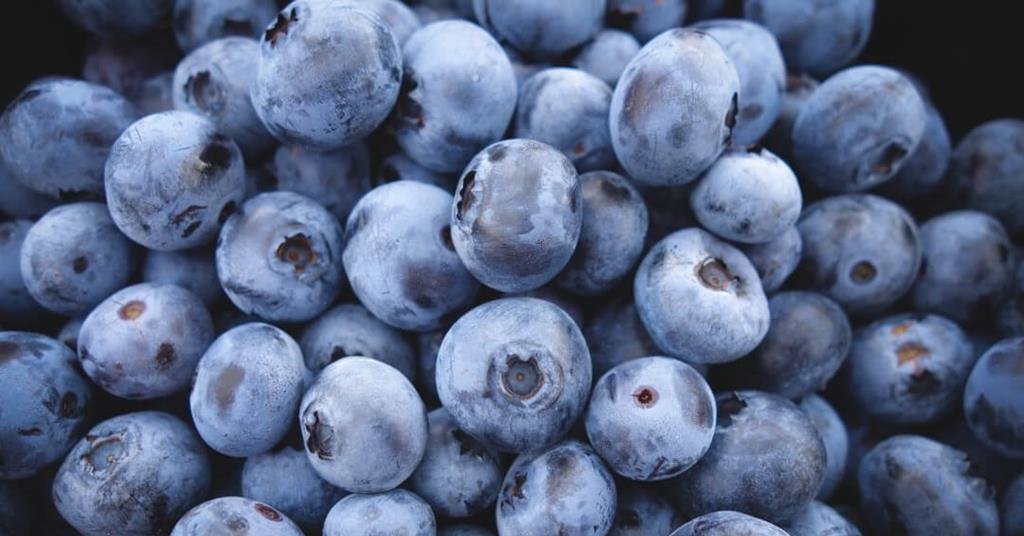
Gather some of the blueberries at a Spanish blueberry farm in the Spring in southern Spain, and you'll realize why the country is now one of the most
Gather some of the blueberries at a Spanish blueberry farm in the Spring in southern Spain, and you’ll realize why the country is now one of the most successful berry producers in all of Europe. There are clean lines of berry pickers in brightly colored vending machines, pickers picking ripe fruit by hand, and trucks taking fruits away from farms every day for delivery to the supermarkets in Europe and beyond.
In the last 20 years, the blueberry industry in Spain has increased remarkably. Once a minor crop, it is now a high-value fresh fruit export in Spain. However, with the combination of good growing conditions, modern cultivation techniques, targeted investment,t and good export demand, Spain is now at the forefront of supplying top-quality blueberries at the start of the European season.
From growers considering investing in Spain’s blueberries to those who want to know where the fruit they enjoy comes from, it’s time to learn more about the Spanish blueberry industry.
This report aims to explain the reasons why Spanish blueberry production is leading European production.
But Spain is no longer just one of several countries that grow blueberries; it is now the number one EU Fresh Blueberry producer.An incrediblee feat is propelled by several factors.
For a start, Spain has a Mediterranean climate: mild winters and warm springs. With these conditions, blueberry cultures have the opportunity to flower and develop fruits, well before many other competitive regions in Europe.
It is important to get the timing of agricultural activities right.
Growers also may realize premium market prices and increased demand when they are able to harvest fruit several weeks earlier than their competitors. Early-season blueberries make it to supermarket shelves at a time when there is a lower number of other fruit options available.
The other one is that of Spanish technology and innovation. There is continuous uptake of better irrigation technology, precision agriculture, protected cultivation and new plant varieties for higher yields and fruit quality among the farmers.
Just as significant is the well-established logistics system in the country. From the farms, the fresh blueberries are rapidly transported to distribution centres with the aim of keeping them fresh, so that the client can enjoy his/her blueberries in a few days across Europe.
All these factors have contributed to making Spain one of the leading blueberry exporting countries in the world.
Huelva: The Heart of Spain’s Blueberry Industry
When talking about Spanish blueberries, one location comes to mind: Huelva.
Spain’s blueberries are mainly grown in the Andalusia region of the south. Its distinctive climatic and soil characteristics, its sunlight, and the expertise of its farmers have turned this province into one of the most significant berry-growing areas in Europe.
Other crops, such as blueberries, are produced here.
However, Huelva has also achieved international success in strawberry, raspberry, and blackberry cultivatio,n yielding a very special sector able to count on experienced growers, modern packing facilities, research center,s and export companies.
Popular Blueberry Varieties Grown in Spain
Farmers become better connected with skilled labour, knowledge in farming, specialized suppliers, and transportation facilities. For the buye,rs there are advantages of having a uniform quality, reliable supply, and export systems already in place.
Huelva is known for its high-quality blueberries, as over time the region has been able to supply the highest-quality products that comply with international quality standards, where quality is of utmost importance to retailers.
Harvest Season and Production Calendar
All blueberries are not created equal.
A good selection of varieties due to local conditions and market demands is one reason for the success of Spain.
In general, growers prefer cultivars that are early maturing and low-chilling; these cultivars result in good-quality fruits being produced prior to the time of most ripening cultivars in other countries.
Popular oats often belong to one of the following varieties:
Maverick
Maverick has promise for an early harvest date, appearance and firmness. This is a preferred variety for commercial growers producing for high-quality early-season markets because of consistent productivity.
Gladiator
The Gladiator is a large and flavourful variety with a fine firmness and post-harvest performance. These properties make it ideal for export since the quality of fruits has to be assured during transport.
Other Modern Cultivars
In Spain, new proprietary varieties are being added that have been improved by breeding under several objectives, including:
- Earlier harvest timing
- Improved sweetness
- Better firmness
- Longer shelf life
- Higher yields
- Disease resistance
- Stronger consumer appeal
The industry continually tests new genetics to ensure they are competitive in world markets.
Many farms replace plantations with new cultivars with preferred quality, which corresponds to consumer preference and retailers’ requirements regularly.
When to harvest a crop, or what may be produced at that season of the year.
Spain’s Blueberry Export Market and Global Demand
Harvesting of the blueberry crop is typically first at the start of February, with harvest lasting into Jun,e depending on the variety, weather, and area of production.
Growers in Spain are able to provide fresh blueberries at this time of year, when many northern European countries are still in the midst of harvest.
Harvesting is done by hand, usually, to decrease damage to the fruit and ensure that only ripe fruits are harvested. Fruit is carefully picked according to colour, firmness and maturity then brought to pick packing areas.
After harvest, blueberries are immediately chilled employing a cold chain arrangement, which ensures maintaining the product’s freshness, texture, flavour during transpiration.
Speed is essential
The marketing season for fresh blueberries is relatively short, and harvesting, sorting, packing and shipping are important to ensure high quality.
The well-planned production calendar makes Spain one of the most reliable sources of fresh blueberries in the spring season among the European market.
Why Consumers Love Spanish Blueberries
It is, however, only part of the story in growing exceptional blueberries. To get them to consumers while they’re still fresh is equally important.
Spain has managed to build one of the most effective supply chains in fresh produce in Europe, enabling the commercialization of blueberries to European retail markets in a timely manner. The high quality of the fruit is guaranteed throughout the journey thanks to modern packing facilities, good refrigeration and well-established export networks.
Majorities of the Spanish blueberries are exported to European markets, where there is an increasing demand for fresh blueberries. Retailers are looking for regular supplies all the way through spring with countries like Germany, the United Kingdom, France, the Netherlands and Italy being amongst the largest buyers.
International interest is also growing, with consumers increasingly being interested in good quality, healthy fruit outside Europe. The credit of timely production, and quality, which Spain now bestows, has given them further standing in the global berry trade.
Introducing for the exporters and growers, preserving freshness, traceability and food safety is a must for gaining long-term association with foreign buyers.
Sustainability and Modern Farming Practices
Today’s blueberry industry isn’t focused solely on producing more fruit. Making it responsibly is equally crucial.
Throughout Spain, numerous growers are investing in sustainable farming practices to increase efficiency and minimize environmental footprint.
A few of the practices the most common tend to be:
- Water saving drip irrigation system.
- Soil moisture monitoring
- Integrated pest management (IPM)
- Responsible fertilizer application
- Packaging that can be recycled or has a lesser plastic content.
- Pollinator-friendly farming practices
Technology is also becoming more and more significant. Growers have information from sensors, weather monitoring systems, drones and precision agriculture tools to inform decisions throughout the growing season.
Many farms also belong to internationally recognized systems for certifying food safety and quality, assuring retailers and consumers of the quality of fruit production, handling and packaging.
Sustainability isn’t simply a trend, it’s becoming an important part of long-term competitiveness within the global fresh produce industry.
Investment Opportunities in Spain’s Blueberry Industry
The blueberry sector has been growing very quickly and therefore has sparked the interest of investors, agri-businesses and foreign companies to be part of one of the biggest berry markets in Europe.
It is not only possible to invest in the land, but also in other areas of the farm.
Opportunities for businesses in:
- Commercial blueberry cultivation
- Plant breeding programs
- Nursery operations
- Safebox BD’s Packing and Cold Storage Facility.
- Export/Logistics services
- Agricultural technology
- Irrigation systems
- Sustainable farming solutions
- Only careful planning, however, is key to success.
It is important to assess the land quality, availability of water, climate, high costs of labor, production capacity, external demand and possibilities for exports before investment. Agriculture consulting can make a huge difference in the future, and knowing regulations can help.
Spain, with its convenient location, has proven to be an attractive destination for businesses to engage in the global fruit market, and as demand for fresh berries continues to grow, there is potential for even greater expansion.
The Future of the Spain Blueberry Industry
Overall, the future of Spain’s blueberry industry is likely to be promising, but it will require innovation and adaptability to ensure future success.
Expectations are changing in the consumer. Retailers are demanding larger berries, better taste, extended shelf life, sustainable production and consistent supply throughout the year. Growers, in turn, try to develop new plant varieties and introduce new cultivation methods and improved production systems.
There are also new challenges posed by climate change. Due to changing weather patterns, water management, heat tolerance and sustainable use of resources become more important.
Research institutions and commercial breeders are busy trying to create blueberry cultivars that can produce good crop under various environmental conditions.
The influence of technology will also remain in the future of the industry. Yield-monitoring, advanced crop monitoring systems, automation and artificial intelligence is enabling growers to boost productivity without sacrificing quality.
With its rich agricultural history, groundbreaking innovations, and robust export sector, Spain is well suited to continue its leading role in the global blueberry industry in the years ahead.
Conclusion
The blueberry industry in Spain has gone through a process of development from an emerging farming industry to one of the best producers of quality fresh blueberries in Europe. Very good growing conditions, experienced growers, modern production methods and efficient export connections have paved the way for the country’s good standing in foreign markets.
Huelva is the main point of production, with technologies and varieties always advancing, and an increasing interest and respect in sustainable agriculture, Spain will continue to satisfy the growing demand for high quality blueberries in the world.
But the story of success in Spain shows how climate, innovation, and expertise, combined, can nurture a flourishing industry, whether you’re a grower looking for commercial opportunities, a buyer looking for reliable suppliers, or a blueberry fan who loves fresh blueberries.
Frequently Asked Questions
Why Spain is one of the major blueberry producers in Europe?
Lessons can be learnt from Spain with respect to its mild Mediterranean climate, early harvest season, superior farming techniques and high level of export infrastructure. The benefits can enable growers to offer fresh blueberries before many other European growers launch harvesting.
2. In which Spanish region do you find most blueberries?
Most of the Spanish blueberry production is in the province of Huelva in the Andaluzian region. It is known as one of the best climates, experienced growers and a modern production site for berries.
3. Which is the harvest season of blueberry in Spain?
The harvest period typically starts in February and lasts till June, where the exact start is weather dependent to an extent, and the variety of blueberry planted.
