
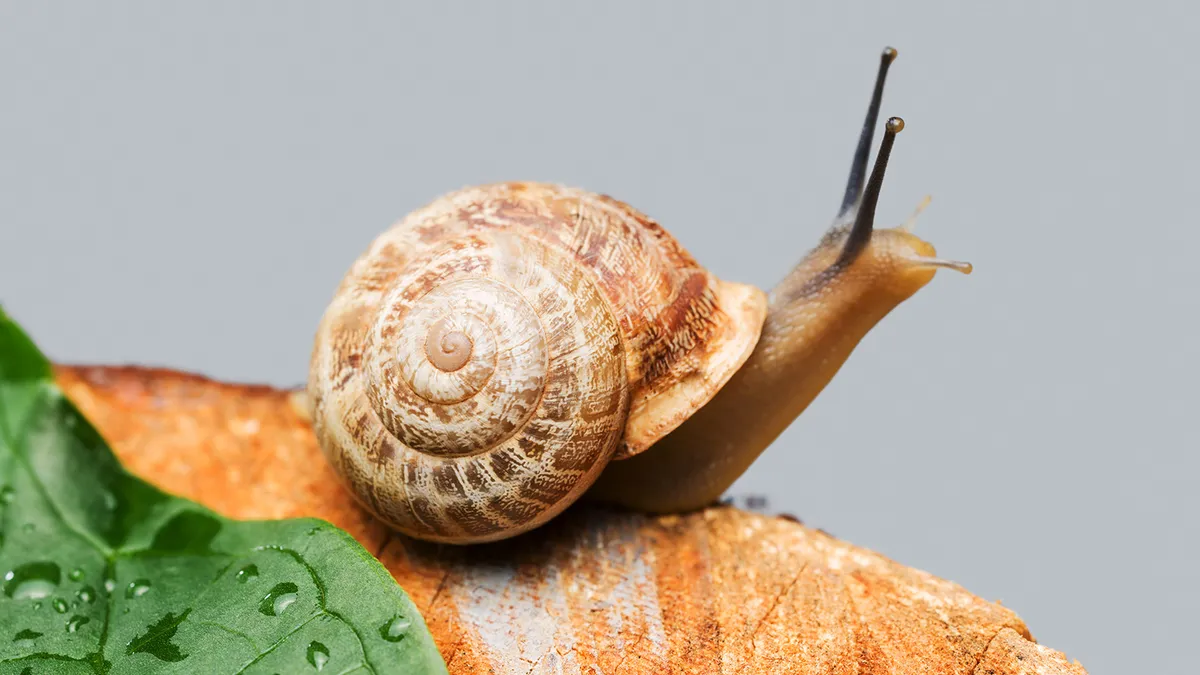
If you've ever wondered what do snails eat, the answer depends on the species and the environment they live in. Most land snails are herbivores that
If you’ve ever wondered what do snails eat, the answer depends on the species and the environment they live in. Most land snails are herbivores that feed on a variety of plants, fruits, vegetables, and decaying organic matter. Aquatic snails, on the other hand, often consume algae, biofilm, and leftover plant material found in ponds or aquariums. Their diet plays an important role in maintaining healthy growth, shell development, and overall well-being.
Whether you’re caring for a pet snail or simply curious about these fascinating creatures, understanding their nutritional needs is essential. Although snails are known for eating slowly, they require a balanced diet that provides vitamins, minerals, and calcium to keep their shells strong. Offering the right foods can help prevent nutritional deficiencies and encourage a longer, healthier life.
This guide explains what snails eat in the wild and in captivity, which foods are safe, what should be avoided, and how often they should be fed.
What Do Snails Eat in the Wild?
In their natural habitats, most land snails feed on a wide variety of plant materials. They commonly eat leaves, flowers, stems, mushrooms, fallen fruit, and decaying vegetation. Because they play an important role in breaking down organic matter, snails help recycle nutrients back into the soil.
Many snails are opportunistic feeders, meaning they consume whatever suitable food is available. They often prefer soft, moist vegetation because it is easier to scrape using their specialized tongue-like organ called the radula. Some species may also feed on algae, moss, lichens, or fungi growing on rocks, tree bark, and other surfaces.
What Can Pet Snails Eat?
Pet snails thrive on a varied diet that closely resembles what they would find in nature. Fresh vegetables are an excellent source of nutrients and are generally the main part of their diet. Leafy greens such as lettuce, kale, spinach in moderation, and cabbage are commonly offered, along with vegetables like cucumber, zucchini, carrots, broccoli, and bell peppers.
Fruits can also be provided as occasional treats. Apples, pears, strawberries, bananas, melons, and blueberries are popular choices because they are soft and easy for snails to eat. Since fruits contain natural sugars, they should be fed less frequently than vegetables to maintain a balanced diet.
Offering a variety of fresh foods helps ensure your snail receives a broad range of nutrients while preventing boredom from eating the same foods every day.
Why Calcium Is Essential for Snails
Calcium is one of the most important nutrients in a snail’s diet because it supports healthy shell growth and repair. Without enough calcium, a snail’s shell may become thin, weak, or develop cracks that leave it vulnerable to injury.
Many snail owners provide a constant source of calcium using cuttlebone, crushed eggshells that have been properly cleaned, or commercially available calcium supplements made specifically for snails. Keeping a calcium source available at all times allows snails to consume it whenever needed, supporting healthy shell development throughout their lives.
Foods Snails Should Avoid
While snails enjoy a wide variety of foods, some items should never be included in their diet. Salty foods are particularly dangerous because salt quickly dehydrates snails and can be fatal. Processed foods, seasoned leftovers, and foods containing preservatives should also be avoided.
Citrus fruits such as lemons, limes, and oranges are generally not recommended because their high acidity may irritate some snail species. Onions, garlic, spicy foods, and anything treated with pesticides or chemicals should never be fed. Washing fresh produce thoroughly before offering it to your snail helps reduce exposure to harmful residues.
What Do Aquarium Snails Eat?
Aquarium snails have diets that differ slightly from land snails. Many species naturally graze on algae growing on glass, rocks, driftwood, and aquatic plants. They also feed on biofilm, decaying plant matter, and leftover fish food that settles to the bottom of the tank.
Although algae provides an important food source, it is not always enough to meet their nutritional needs. Many aquarium owners supplement their snails’ diet with algae wafers, blanched vegetables such as zucchini or spinach, and calcium-rich foods to support shell health. A balanced diet helps aquarium snails remain active while contributing to a cleaner tank environment.
How Often Should You Feed a Snail?
Most pet snails benefit from having fresh food available every day or every other day, depending on the species and the amount they consume. Smaller portions help reduce food waste and prevent mold from developing inside the enclosure. Any uneaten food should be removed before it begins to spoil.
Observing your snail’s eating habits is one of the best ways to determine appropriate portion sizes. Active, healthy snails usually feed during the evening or nighttime, especially in humid conditions. Maintaining a consistent feeding routine helps support healthy growth and normal behavior.
Signs Your Snail Is Eating a Healthy Diet
A well-fed snail typically has a smooth, strong shell, steady growth, and an active feeding routine. Healthy snails regularly explore their environment, respond to changes in humidity, and show interest in fresh food. Good shell condition is often one of the clearest indicators that a snail is receiving enough calcium and essential nutrients.
If a snail refuses food for an extended period, develops shell damage, or becomes unusually inactive, it may indicate nutritional deficiencies, poor environmental conditions, or an underlying health problem. Monitoring both diet and habitat helps ensure long-term health.
Conclusion
Understanding what do snails eat is essential for keeping both land and aquatic snails healthy. A balanced diet that includes fresh vegetables, occasional fruits, natural plant material, and a constant source of calcium supports proper growth, shell strength, and overall well-being. Avoiding harmful foods such as salty or processed items is equally important for protecting your snail’s health.
Whether you’re raising a pet snail or observing them in nature, providing appropriate nutrition allows these fascinating creatures to thrive. With the right care and a varied diet, snails can remain healthy, active, and an enjoyable part of your home or garden.
FAQs
What do snails eat the most?
Most land snails primarily eat fresh leaves, vegetables, fruits, fungi, and decaying plant material, while aquarium snails commonly feed on algae and biofilm.
Can snails eat lettuce?
Yes. Snails can eat lettuce, although darker leafy greens such as kale or romaine generally provide more nutrients than iceberg lettuce.
Do snails need calcium?
Yes. Calcium is essential for healthy shell growth and maintenance. Cuttlebone and other calcium sources should always be available for pet snails.
Can snails eat fruit every day?
Fruit is best offered in moderation because it contains natural sugars. Fresh vegetables should make up the majority of a pet snail’s diet.
What foods are toxic to snails?
Salt, processed foods, onions, garlic, spicy foods, and produce treated with pesticides should never be fed to snails, as they can be harmful or even fatal.
