
Artificial intelligence has greatly changed the writing industry. AI tools can help writers come up with ideas, create outlines, improve grammar, and
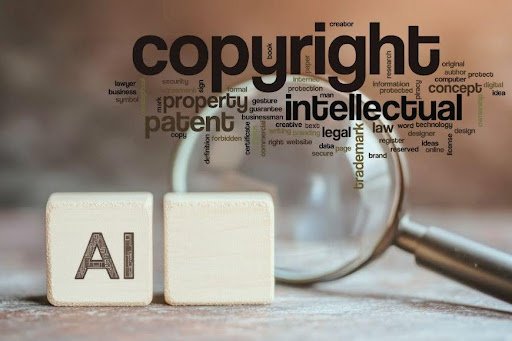
Artificial intelligence has greatly changed the writing industry. AI tools can help writers come up with ideas, create outlines, improve grammar, and refine their content. These tools are useful for writers of all types, whether they are working on novels, academic papers, blogs, or marketing content. AI can help writers be more productive and efficient. However, this also raises important questions about copyright, ownership, originality, and ethical writing practices.
Writers need to understand how copyright laws apply to content created by AI. While AI can assist in the writing process, it cannot replace human creativity or remove the responsibility of producing original work. Writers who grasp the connection between AI and copyright can use these technologies confidently while protecting their creative rights and maintaining their professional values.
Understanding AI Generated Content and Copyright
Artificial intelligence creates content by looking at large volumes of text and recognizing language patterns. Unlike human writers, AI does not base its ideas on personal experiences or feelings. Instead, it predicts words and sentences using learned information.
One main concern about AI is copyright ownership. In many places, copyright laws typically protect only works made by human authors. This means that content created entirely by AI may not have the same legal protection as content made by a person. For writers, this emphasizes the importance of using AI as a tool to help with writing rather than depending on it to create entire pieces without human input. Editing, restructuring, checking facts, and adding personal insight help ensure that the final product shows real human creativity.
Another key point is originality. Although AI can generate new combinations of words, writers must always review the content carefully to make sure it does not accidentally look like already published material. Careful editing helps reduce copyright issues and improves the overall quality of the work.
Why Original Writing Still Matters
Even with the fast growth of artificial intelligence, original writing is still a very important skill in publishing and communication. Readers value personal viewpoints, unique stories, and careful analysis that show true human understanding.
While AI can help with research and brainstorming, it cannot replace personal experiences, creativity, or emotional depth. Good writers use AI to enhance their work, but they keep their own voice in the content. Being original is also crucial in schools and workplaces. Colleges, companies, and publishers want content that shows independent thinking and proper credit to sources. Simply using AI-generated text without making meaningful changes may not meet these standards. Students essay writing should use AI wisely by generating ideas, organizing information, or correcting grammar, but they must ensure that their final work reflects their own understanding and analysis. This careful approach helps them learn while keeping academic integrity.
Ethical Responsibilities When Using AI
Using artificial intelligence responsibly means writers must understand their legal and ethical duties. Ethical writing is more than just avoiding plagiarism; it also includes being clear, accurate, and respectful of others’ work. Writers must check any facts provided by AI because it can sometimes give incorrect or outdated information. Fact-checking is important to keep credibility and to prevent spreading false information. Correctly citing sources is equally important. If information comes from books, journals, websites, or published articles, those sources should be credited according to the required citation style. AI should never take the place of proper research methods.
Writers should also avoid turning in completely AI-generated work as their own if schools, employers, or publishers expect original human authorship. Many organizations now have clear rules about how AI can be used.
Protecting Your Own Creative Work
While writers often focus on avoiding copyright infringement, they should also consider protecting their own intellectual property. Original articles, books, research papers, and creative works represent valuable assets that deserve protection.
Keeping records of drafts, research notes, and revisions can help establish authorship if ownership questions arise. Registering copyright where available may provide additional legal protection depending on local laws. Publishing through reputable platforms also like assignment writing services in Ireland help to safeguard creative work. Writers should carefully read publishing agreements to understand how ownership rights are shared or transferred.
Artificial intelligence should not replace the personal creativity that makes each writer unique. Developing a distinctive writing style strengthens personal branding and makes content more recognizable to readers. As AI technology continues to evolve, writers who consistently produce authentic and original work will remain highly valued across publishing, education, journalism, and digital marketing industries.
The Future of Writing in the Age of AI
Artificial intelligence will continue changing how content is planned, researched, edited, and published. Rather than replacing writers, Ai is more likely to become an advanced productivity tool that handles repetitive tasks while allowing humans to focus on creativity and strategic thinking. Copyright laws will also continue evolving as governments and legal systems respond to advances in artificial intelligence. Writers should stay informed about changing regulations and publishing guidelines to ensure compliance with current legal requirements.
The most successful professionals will be those who embrace innovation without sacrificing originality. By treating AI as a collaborative assistant rather than a replacement, writers can increase productivity while preserving the human qualities that readers appreciate most.
Conclusion
Computers that can think have brought great chances for writers, but they have also made new problems about who owns writing, who controls it, and what is right. Knowing about these problems helps writers use thinking computers safely and keep their writing and jobs safe.
Being original is still the most important part of good writing. Thinking computers can help with ideas, fixing, and putting things in order, but real new ideas still come from what people think, have felt, and can figure out. Writers who use computers with their own real ideas make better and more useful writing. As the rules for owning writing and thinking computer tools keep changing, learning about them will be very important for every writer’s job. People who think computers the right way and keep good ideas and honest work will be ready for how writing will be done in the future in a world that uses computers more and more.
