
Matcha looks cheerful enough. It is bright green, beautifully frothy, and regularly photographed beside pastries in painfully stylish cafés. Then you
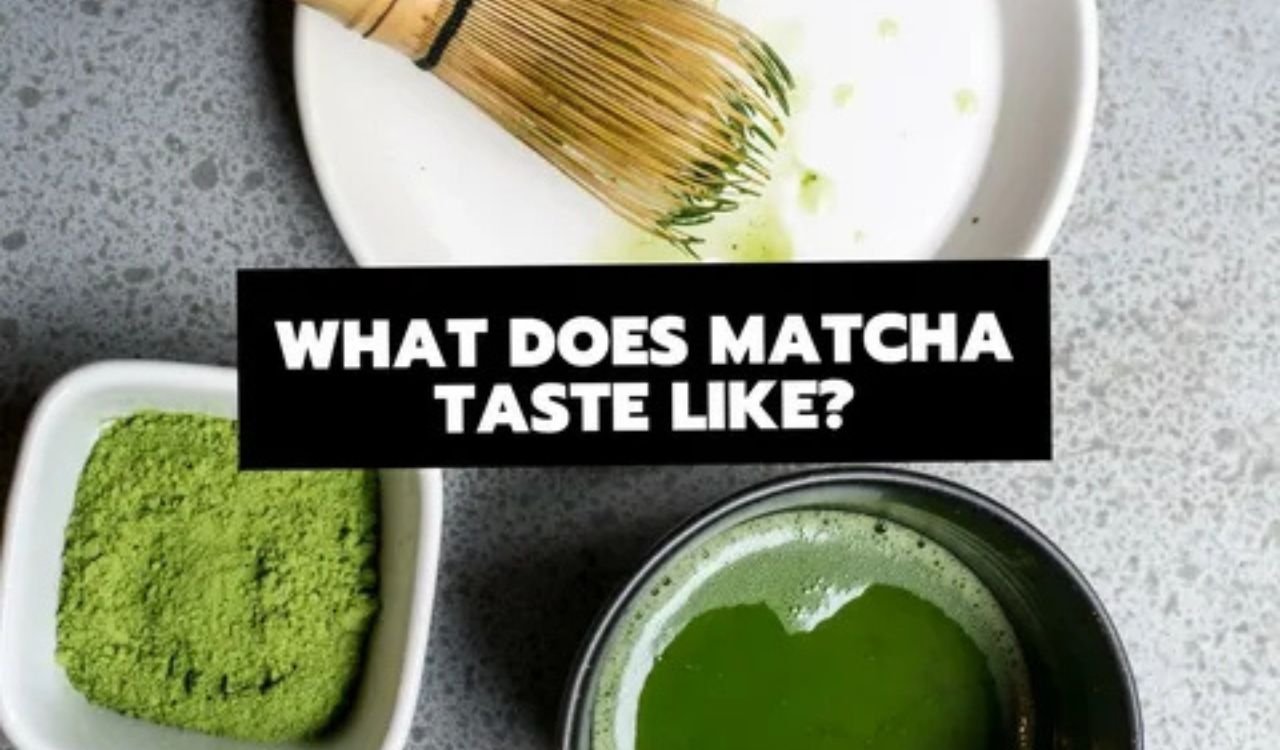
Matcha looks cheerful enough. It is bright green, beautifully frothy, and regularly photographed beside pastries in painfully stylish cafés. Then you take your first sip and think, “Wait—was that supposed to taste like grass?”
You are not alone.
So, what does matcha taste like? Good matcha has a fresh, vegetal flavor with natural sweetness, gentle bitterness, and a rich savory quality known as umami. Depending on the powder and preparation, you may notice hints of spinach, seaweed, young peas, fresh-cut grass, nuts, or even creamy white chocolate.
Lower-quality or poorly prepared matcha is a different story. It can taste harsh, dusty, sour, or unpleasantly bitter.
The flavor is unusual, especially if you normally drink sweet coffee or black tea. But once you understand its different layers, matcha starts making much more sense.
The Quick Answer: What Does Matcha Taste Like?
Matcha tastes earthy, grassy, vegetal, slightly sweet, and deeply savory. The flavor is fuller and more concentrated than ordinary green tea because you are consuming finely ground tea leaves rather than simply steeping and removing them.
A high-quality cup should feel balanced. You may notice fresh green flavors first, followed by a smooth umami richness and a soft sweetness that remains after swallowing. There can be some bitterness, but it should support the other flavors rather than completely take over.
The mouthfeel matters too. Properly whisked matcha feels creamy, silky, and lightly foamy. Poorly mixed powder can taste gritty or chalky.
Imagine the freshness of baby spinach, the savoriness of seaweed broth, and the mild sweetness of young peas blended into a warm, creamy drink. That description sounds slightly odd, admittedly, but it is surprisingly close.
The Main Matcha Flavor Notes Explained
Matcha is not built around one simple flavor. Several tastes appear together, which is why two people may describe the same cup differently.
Umami is the rich, savory quality associated with broth, mushrooms, seaweed, and miso. In fine matcha, it creates depth and a satisfying, almost creamy sensation.
Vegetal notes may remind you of spinach, steamed greens, young peas, or fresh leaves. These flavors should feel lively rather than stale.
Grassiness gives matcha its fresh, green personality. Think of a garden after rain—not lawn clippings left inside a plastic bag.
Natural sweetness often arrives quietly at the end. Matcha is not sugary, but good powder can have a rounded sweetness that balances the savory notes.
Bitterness and astringency add structure. A little can make the drink interesting. Too much leaves your tongue dry and your face doing something you did not authorize.
Why Does Matcha Have Such an Unusual Taste?
Matcha begins with the Camellia sinensis plant, the same species used to produce other true teas. However, the leaves destined for matcha are cultivated and processed differently.
Before harvesting, tea plants are shaded from direct sunlight. This changes the chemistry of the leaves and helps create the amino-acid-rich, savory character associated with quality matcha. The harvested leaves are steamed, dried, and processed into tencha before being ground into a fine powder.
Because the entire powdered leaf is mixed into water, matcha delivers a stronger taste and thicker texture than steeped green tea.
Several factors shape the final flavor:
- Tea cultivar
- Growing region
- Length and method of shading
- Harvest season
- Age and tenderness of the leaves
- Processing and grinding
- Freshness after opening
- Water temperature and preparation
Matcha does not taste green merely because it is green. Its flavor is the result of careful cultivation, processing, storage, and preparation.
High-Quality vs. Low-Quality Matcha Taste
High-quality matcha usually tastes smooth, fresh, creamy, and balanced. Its bitterness is gentle, while its sweetness and umami remain noticeable. The finish may linger pleasantly with hints of nuts, seaweed, flowers, or tender vegetables.
Lower-quality matcha is often more bitter and astringent. It may taste dusty, flat, stale, sour, or aggressively grassy. Instead of a creamy mouthfeel, it can feel thin or chalky.
Color can offer a clue. Fresh matcha is generally a lively, vibrant green, while old or poorly stored powder may appear dull, yellowish, or brownish. Aroma matters as well. Good powder should smell fresh and sweetly vegetal rather than musty.
Be careful with labels such as “ceremonial grade.” The term is widely used in Western marketing, but it is not a single, legally standardized quality system. A fancy label cannot guarantee excellent flavor.
The most reliable signs are reputable sourcing, freshness, intended use, and—ultimately—how the matcha actually tastes.
Is Matcha Supposed to Taste Bitter?
Matcha naturally contains some bitterness, but a properly prepared cup should not taste like punishment.
Balanced bitterness adds complexity. Harsh bitterness usually points to the powder, preparation, or both. Water that is too hot can pull the flavor in a sharper direction. Using too much powder for too little water can also create an overwhelming cup.
Your matcha may taste excessively bitter because:
- The water was boiling
- Too much powder was used
- The powder is old or oxidized
- The matcha is intended mainly for cooking
- It was stored near heat, moisture, light, or air
- The powder was not sifted or whisked properly
Bitterness is also different from astringency. Bitterness is a taste. Astringency is the dry, tightening sensation you feel on your tongue and cheeks.
If your first cup tastes unpleasant, do not immediately decide that you hate matcha. You may simply have met a bad one.
What Does Matcha Taste Like in a Latte?
A matcha latte tastes softer, sweeter, and creamier than matcha prepared with water alone. Milk reduces the intensity of the grassy and bitter notes while emphasizing the drink’s smooth texture.
Dairy milk creates a rich, rounded latte. Oat milk often adds natural sweetness and a cereal-like creaminess. Almond milk can introduce a nutty note, while coconut milk gives the drink a more tropical flavor.
Sweeteners and flavored syrups change the experience even further. Vanilla makes matcha taste dessert-like, while honey adds floral sweetness. Strawberry matcha combines tart fruit, sugar, milk, and earthy tea into something far removed from a traditional bowl.
There is nothing wrong with starting with a latte. In fact, it is often the easiest introduction for beginners.
Just remember that a heavily sweetened café drink will not tell you exactly what plain matcha tastes like. It is more like meeting matcha while it is wearing a very friendly disguise.
Matcha vs. Green Tea and Coffee
Matcha tastes stronger and thicker than ordinary green tea. Steeped green tea is often light, clean, and refreshing, while matcha has a concentrated vegetal flavor and a creamy, full-bodied texture.
The difference comes partly from preparation. With ordinary green tea, leaves release flavor into the water and are then removed. With matcha, the powdered leaf remains in the drink.
Compared with coffee, matcha is less roasted and more vegetal. Coffee may offer chocolate, caramel, fruit, nut, or smoky flavors. Matcha leans toward fresh greens, seaweed, umami, gentle bitterness, and subtle sweetness.
A person who loves dark-roast coffee may initially find matcha too grassy. Someone who enjoys green vegetables, Japanese food, savory broths, or delicate teas may appreciate it immediately.
Neither drink is trying to imitate the other. Matcha is not “green coffee,” and treating it that way creates the wrong expectation. Its appeal lies in its own unusual combination of freshness, creaminess, and savory depth.
How to Make Matcha Taste Better at Home
Start with fresh matcha intended for drinking rather than baking. Store it in an airtight container away from heat, moisture, sunlight, and strong odors.
Sift the powder before adding water. This small step breaks up clumps and makes the final drink smoother.
Use hot water rather than freshly boiling water. Whisk the powder with a small amount of water until it becomes evenly mixed and lightly foamy. A bamboo whisk works beautifully, although a small handheld frother can be convenient.
If the flavor feels too intense, use slightly less powder or add more water. You can also turn it into a latte with warm or cold milk.
For beginners, a small amount of honey, maple syrup, or vanilla can soften the bitterness. Gradually reduce the sweetness as your palate adjusts.
Most importantly, taste more than one matcha. Different origins, cultivars, harvests, and producers can create surprisingly different flavor profiles. One disappointing tin should not represent the entire category.
Will You Like the Taste of Matcha?
You may enjoy matcha immediately if you already like green tea, spinach, seaweed, mushrooms, miso soup, dark chocolate, or other foods with vegetal, savory, or mildly bitter flavors.
You may need time to adjust if your usual drinks are sweetened coffee, soda, or flavored tea. Matcha is not naturally candy-like, and its grassy character can feel surprising during the first few sips.
Imagine someone ordering a bright green latte because it looked beautiful online. The first sip tastes more like a garden than the vanilla milkshake they expected. They add a little sweetener, try it again, and suddenly the creamy and savory notes begin to make sense.
That is a common matcha journey. The flavor is often acquired rather than instantly familiar.
So, what does matcha taste like in the simplest terms? Fresh, green, creamy, bittersweet, and savory. Good matcha should be complex without being harsh—and interesting enough to make you take another sip.
Frequently Asked Questions
Does matcha taste like grass?
Matcha can have a fresh grassy note, but good matcha should not taste like chewing lawn clippings. Its grassiness is normally balanced by sweetness, creaminess, mild bitterness, and savory umami. An overwhelmingly grassy flavor may indicate lower-quality powder, poor storage, or unsuitable preparation.
Why does my matcha taste like seaweed?
Seaweed-like or oceanic notes are often connected to matcha’s umami character. In a balanced cup, this savory taste can be pleasant and broth-like. If it tastes fishy, stale, or unpleasantly marine, the powder may be old, contaminated by odors, or simply not suited to your preferences.
Does matcha taste sweet without sugar?
Matcha contains a subtle natural sweetness, particularly when it is fresh and well-balanced. However, it will not taste sweet like juice, soda, or a flavored latte. Its sweetness appears alongside vegetal, bitter, and savory flavors and is often most noticeable in the finish.
Why does matcha taste bitter at cafés?
A café may use overly hot water, too much powder, old matcha, or a strongly flavored culinary product. Some cafés also formulate their drinks around syrup, so the unsweetened base may taste intentionally intense. Preparation skills and ingredient quality vary considerably between locations.
