
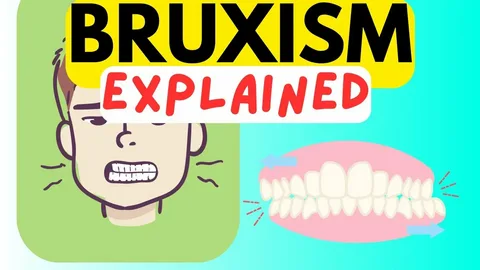
Though bruxism is a complex medical jargon, it actually refers to grinding your teeth or clenching your jaw. It's not the name of it that is the issue
Though bruxism is a complex medical jargon, it actually refers to grinding your teeth or clenching your jaw. It’s not the name of it that is the issue; it’s what it’s quietly doing over a period of time. There are a lot of people out there who damage their teeth every night and don’t even realize. When they do, bruxism teeth repair is no longer an optional treatment; it’s a must.
This is where bruxism can be tricky, and many of them occur while asleep. Sneaky pressure night after night, no warning, no awareness. Friction isn’t meant to happen constantly, and eventually, the enamel begins to break down. The jaw muscles are also overworked, which causes stiffness and pain in the jaw muscles, as well as headaches.
Teeth repair performed by a bruxism dentist isn’t only about the teeth. It is about knowing the habit and cutting off the force behind it, and repairing what has already been broken.
What You Need To Know about Bruxism
Typically, bruxism falls under two categories, awake bruxism and sleep bruxism. Awake bruxism occurs during stress or concentration, when someone gets into the habit of grinding teeth unconsciously. Damage to the teeth is worse for sleep bruxism because they are grinding without interruption.
A continuous grinding action causes the tiny cracks in the enamel. These cracks continue to grow and cause obvious wear, flattening,g and sensitivity over time.
While stress is a big triggeritss isn’t the only trigger. Risk may be heightened by sleep problems, malaligned bite, caffeine, and even lifestyle.
The question is which way the force is being applied. Human teeth are not made for continuous friction but for chewing food. When the equilibrium breaks, the teeth undergo long-term damage, and a Bruxism teeth repair will be needed to restore the structure.
Early Signs of Damage caused by Bruxism
Grinding teeth is not likely to be noticed loud and clear. It begins with subtle symptoms, which many people overlook.
One of the early symptoms is morning stiffness in the jaw. Most people believe that it’s simply “sleeping wrong,” but in reality, it is from an overuse of the muscles involved in grinding.
Frequent headaches, especially around the temples, are another indicator. This headache is due to overworked jaw muscles.
Another key symptom is teeth sensitivity. As the enamel becomes exposed, hot or cold foods begin to be a nuisance.
Small, broken, or blunted chewing surfaces might also be detected when dentists examine you routinely. Patients are amazed and more than surprised because they didn’t feel any pain.
The warning stage is given by these early signs. Early diagnosis can cut down on the complications that may arise if bruxism teeth repair is indicated later.
Bruxism Teeth Repair treatments by Dental Remedies & Therapies
The teeth repair resulting from bruxing will vary depending on the amount of previous damage. Dentists typically take a proactive approach to protection instead of a reactive approach to restoration.
Bonding is the usual technique for “mild wear. Restoration of shape and covering of exposed material with a tooth-coloured material.
Veneers are a great choice for moderate damage. These not only look glossy and are durable, but also protect the weak enamel. For more severe damage, crowns may be required that completely encase a damaged tooth to restore function.
If misalignment of the bite is causing grinding, dentists will also work on bite correction. Teeth pressure can be changed to prevent overstressing teeth for extended periods.
As for treatment, however, it doesn’t end with repair. It’s also important to prevent additional damage and “grinding,” which is why, in some treatment plans, protective devices are used.
Night Guards And Their Role In Bruxism Control
One of the most frequently used items of Bruxism teeth repair plans is taking night guards. Do not cease grinding up to itself, but prevent damage to teeth at night.
A night guard is similar to a size of cushion positioned between tthe op and lower teeth. The guard absorbs the force, in place of enamel-to-enamel contact. This helps minimize wear and cracking, and relieves tension in the jaw joints. Store-bought night guards are less effective than a custom-fitted guard that fits into the bite of the patient.
Although some have a reluctance to use them at all, if people see that their jaw pain is reduced and their quality of sleep improves, they get on board.
However, night guards are not a cure, but they will be the first line of defence in the long-term management of bruxism.
Bruxism is caused by Stress and Lifestyle Factors
One of the most overlooked causes of bruxism is stress. Emotional tension in the mind does not remain limited to just the mind – it is reflected in the jaw as well.
Individuals under work stress or with anxiety can unconsciously tense their teeth. Eventually, this becomes a habit and persists when sleeping.
Irregular sleep schedules, caffeine, and alcohol can also make the grinding worse. These substances have an effect on the activity of the nervous system and the muscles.
Making posture and everyday habits play a part. For instance, people tend to make a lot of facial tension while watching screens and being engaged in activities.
Lifestyle modification will not fix teeth, but it is a large part of preventing further injury post-bruxism teeth repair.
Bruxism Damage and Recovery
A middle-aged teacher, with constant dull tooth pain and headaches every morning, visited a dentist. Initially diagnosed this as sinus-related, but found upon examination that there was considerable enamel wear.
She has ground her teeth for a few years at night without being aware of it. The burden of working had exacerbated that.
She had been treated with dental bonding for dentition wear, a custom night guard, and stress management techniques. In a few months, her symptoms subsided to a great extent. More importantly, any additional damage came to a halt.
There was evidence in this case of the importance of bruxism, sometimes subtly presenting itself, until it causes obvious damage.
Bruxism Leads To Jaw Pain And TMJ Issues
Teeth aren’t the only things that can be impacted by bruxism. It also affects the temporomandibular joint (TMJ).
Articulation between the jaw and the skull for chewing and speaking.
Too much grinding puts stress on this joint, which can cause clicking noises, pain, and restrictions in opening the mouth fully.
Sometimes, TMJ disorders happen in combination with bruxism, and then it has more complicated symptoms.
A bruxism teeth repair may not just focus on the teeth but also on the health of the jaw.
TMJ symptoms, if not addressed, may cause chronic discomfort and long-term complications.
How to Protect from Further Damage
The primary concern after teeth repair is to prevent future damage. However, night guards continue to be the best preventive instrument. They can greatly decrease the strain on teeth with regular use.
Other stress management practices, such as exercise, meditation,n and sleep habits that help alleviate the effects of stress can also help minimize grinding episodes.
You can keep harm from making a comeback when you have regular dental checkups, which keep an eye on wear patterns.
Not engaging in non-functional behaviors such as harping on pens, chewing on ice, or other hard materials also helps preserve repaired teeth. It is a simple objective: to prevent further damage and ensure long-term bruxism teeth repair.
When to Get Dental Help For Bruxism
The problem is that many people don’t seek treatment for bruxism, as it does not necessarily cause immediate pain. Not too long, however, or the repair will be more complex.
If jaw stiffness and pain, frequent head pain, sensitivity of the teeth, and flattening of teeth are noticed, then it is time to visit a dentist.
Early intervention will make treatments easier,r and results will improve in the long term.
A dentist can easily detect teeth grinding habits and develop an individual treatment plan depending on the intensity of their particular teeth grinding.
Conclusion
Bruxism teeth repair goes far beyond tooth repair – it’s the break from a habit that imperceptibly alters your smile. Many people don’t realize they are grinding until the grinding behaviour results in enamel wear, pain in the jaw, or sensitivity.
Fortunately, there are ways to combat the problems of sensitive teeth and dull, discoloured teeth – modern dentistry has solutions (bonding, veneers, crowns, and protective night guards). With lifestyle change, long-term improvement is a definite possibility.
It’s all about awareness. The sooner bruxism is identified, the simpler it will be to secure and repair your teeth.
FAQs
So, what is bruxism teeth repair?
It is a dental treatment, which is used to repair teeth affected by teeth grinding or teeth clenching.
Are there any solutions for reversing Ruxism damage?
Damage to enamel cannot grow back, but it can be restored with dental treatments
Do night guards prevent bruxism? Can bruxism be prevented with night guards?
They don’t stop grindin,g but they keep on participants from injury throughout sleep.
What causes bruxism?
Misalignment of the teeth and lifestyle habits are both common causes of stress and sleep problems.
Is bruxism permanent for teeth repair?
If grinding is controlled and avoided, repairs can be long-term.
