
One of the most important but neglected devices in fire alarm systems is a manual call point (MCP). Suppose you are in a building and see a small red
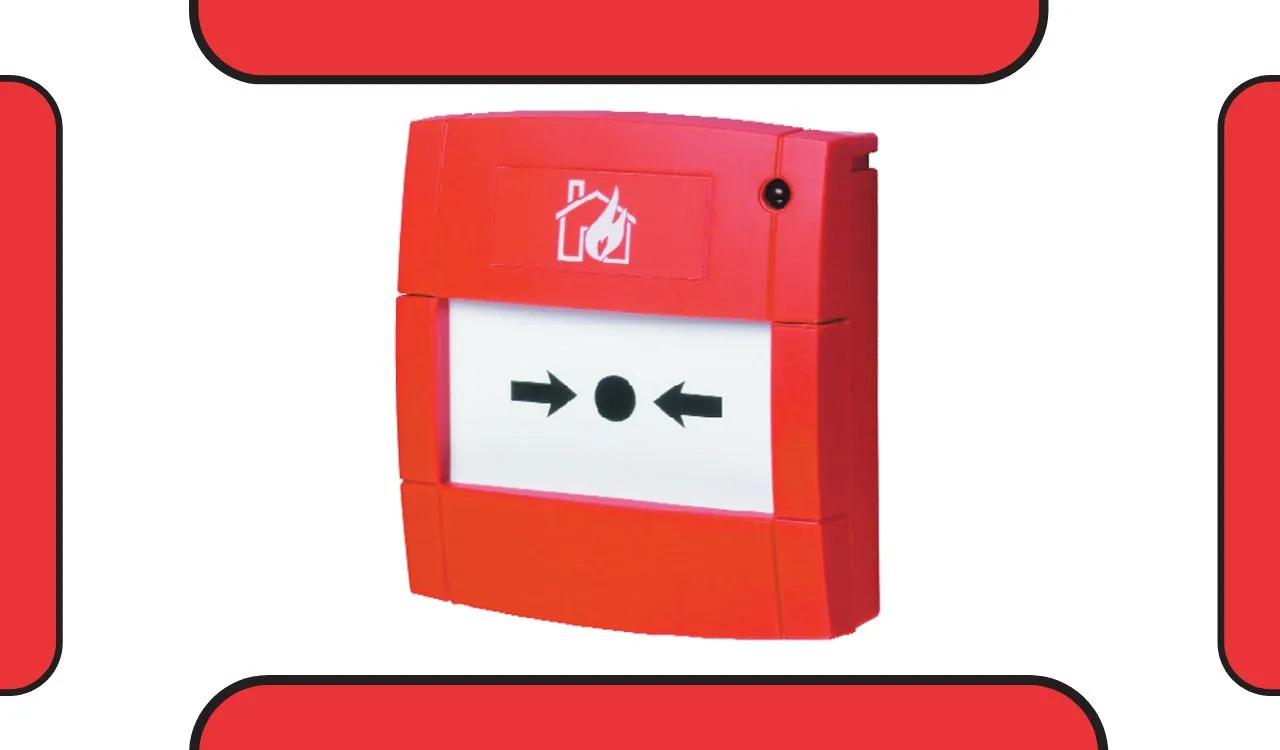
One of the most important but neglected devices in fire alarm systems is a manual call point (MCP). Suppose you are in a building and see a small red box on the wall. In any case, it may appear to be just another piece of hardware at first, but during a crisis, it will be a savior. what is manual call point, it’s a safety device that allows a person to activate a fire alarm, enabling a swift response and helping everyone leave the area as quickly as possible.
This equipment is also strategically placed in escape routes or exits. Their purpose? To place people in a position to manually raise the alarm, especially if other systems have failed to do so. This paper will examine the operation of manual call points, their significance in fire prevention, their placement, and their contribution to life safety during a fire outbreak.
Although automatic systems such as smoke detectors are essential, the human touch is needed for manual call points that must trigger the alarm instantly. This device will provide people with an opportunity to react quickly in case of a fire, especially in buildings with spacious areas or in areas where automatic systems are slow to act. This paper shall discuss the significance, operation, installation, and maintenance of manual call points in fire alarms.
what is manual call point?
A manual call point is a wall-mounted device used to activate a fire alarm when there is a fire. This device is normally red and is positioned in clearly visible, accessible locations, such as corridors, near exit points, and escape routes. Any person in the building can activate the manual call point by pushing a button or breaking a glass panel in the case of a fire.
Although heat sensors and smoke detectors are usually very effective at detecting fire, manual call points are essential when automatic detection systems fail to trigger the alarm in time. They are supposed to work to make the building safe for everyone by enabling instant manual alerts. Even a manual call point in a good position can spell the difference between an ordered evacuation and a potentially catastrophic delay.
How Does a Manual Call Point Work?
Manual call points are designed to be user-friendly, with easy, quick operation by anyone in an emergency. They usually come in two activation styles: a push button and a glass-breaking panel. When the machine is turned on (by pressing a button or by breaking a glass), a signal is transmitted to the fire alarm system to activate the alarm.
When the alarm sounds, the building’s emergency systems activate, giving occupants a warning to evacuate as soon as possible. The alarm, as well as flashing lights in certain instances, ensures that everyone is aware of the danger. This process is very simple and fast, and hence, the manual call points are a necessary component of any fire safety system.
Why Are Manual Call Points Important in Fire Safety?
The significance of manual call points in fire safety is immense because they enable prompt notification of a fire. Smoke detectors and heat sensors are automatic and may not detect a fire immediately, particularly in its initial stages or in areas with low exposure. Conversely, a manual call point provides a secure, fast way for anyone inside the building to activate the fire alarm system.
These devices are conveniently located where they can be seen as an escape route, or near exits so they can be readily accessed during an emergency. They are also built to be used by anyone, whether an employee, visitor, or resident, to avoid panic and delay in evacuation. Manual call points offer an opportunity to save lives, reduce the number of victims, and ensure the building’s safety through quick action
Where Should Manual Call Points Be Installed?
Manual call points are supposed to be installed in accordance with guidelines and regulations to ensure they are effective in an emergency. They are usually placed in high traffic places where individuals might be in case of an eruption of fire. These locations will be hallways, near exits, stairwells, and places with limited access to other alarm systems.
Visibility and accessibility are two of the major principles in their placement. Manual call points must be readily accessible, especially during emergencies, since even a second can save a life in a fire. They are also supposed to be placed at the right height (about 1.4 meters) so that both children and adults can reach them easily. Depending on the type of building, the regulations may differ, but the basic principle is that they should be located. Hence, they are easily accessible in the event of an emergency evacuation.
How Manual Call Points Enhance Fire Safety
The call points commonly used to raise the alarm during a fire are usually manual. Smoke detectors tend to fail or take time before they go off; in such cases, people can use the manual call points to take immediate action. They are very simple, and anyone, regardless of their experience with fire alarm devices, can use the gadget without hassle.
Buildings also make sure that by installing these call points close to the exit doors and in places of high human accessibility, the buildings will be able to initiate an emergency evacuation process as soon as possible. They are also instrumental in minimizing evacuation time and preventing injuries by notifying occupants as quickly as possible.
Key Features of a Manual Call Point
Manual call points are designed to be simple yet effective in their function. Here are the key features that make them essential:
Red Color: The bright red color of the device ensures high visibility, making it easy to spot in an emergency.
Glass Panel or Button: The device usually features a glass panel that must be broken or a button that can be pressed to activate the alarm.
Weatherproof: In outdoor or harsh environments, manual call points are often weatherproofed to prevent malfunction.
Durable Build: These devices are made from durable materials to withstand force and pressure, ensuring they stay operational in critical moments.
Connectivity to Fire Alarm System: Manual call points are connected to the building’s fire alarm system, enabling immediate response once activated.
These features are carefully engineered to ensure that anyone can quickly and effectively use the device in an emergency.
Legal Requirements for Installing Manual Call Points
Stringent fire safety measures in many regions specify the location and installation methods of manual call points. To illustrate, NFPA (National Fire Protection Association) and BS 5839 recommend that manual call points be located along escape routes and at convenient points throughout the building.
Regular testing and maintenance of manual call points are also required to ensure their continued functioning, in addition to their installation. This will involve monthly accessibility checks, testing actual functionality, and annual inspections for damage or wear. The owners of the buildings and the safety officers have a duty to ensure that the manual call points are changed in accordance with the local regulations and operation standards.
Manual Call Points vs Automatic Fire Detection Systems
In fire detection, manual call points are used in conjunction with automatic systems, such as smoke detectors and heat sensors. Although automatic systems are invaluable for detecting fires at their earliest stages, they are not error-free. In some instances, automatic systems may take time to detect a fire, particularly in a large or complex building.
Instead, the manual call points provide a manual and immediate method of raising the alarm. This personal intervention ensures that, if the automatic systems malfunction, a person can sound the alarm and alert everyone in the building to leave. By combining the two systems, fire safety is maximized, as response time is fast and evacuation is effective.
Common Misconceptions About Manual Call Points
Although manual call points are important for fire safety, they are subject to common misconceptions. A myth is that they are needed only in big buildings or business premises. The truth of the matter is that any structure where human beings will convene, be it residential or commercial, can avail of manual call points. They can be used equally well in small apartment buildings as in big office complexes.
The other myth is that manual call points are likely to activate accidentally. The design of modern manual call points has, however, been enhanced to reduce the occurrence of such instances. The glass panel/button activation is intentional to minimize the risk of false alarms.
Maintaining Manual Call Points
Manual call points need to be properly maintained to be available in times of need. Periodic inspections are also to be conducted to check that the glass panel is not broken, the button works, and the equipment is visible and within easy reach.
Also, the maintenance process should involve checking the electrical devices that link the call point to the fire alarm system. It will be checked regularly to ensure the call points remain in proper working order and can be easily used in an emergency.
Conclusion
Manual call points are an essential component of any fire alarm system and an easy yet efficient way to alert building occupants to a fire. When building owners and safety officers understand the roles, locations, and value of these objects, they will be able to ensure that their premises are prepared with the means for fast and safe evacuation. Although often neglected, a manual call point is a crucial feature that saves lives and reduces harm in emergencies. The installation and maintenance of these devices are essential because they can be the difference between life and death in emergencies. For more tips on technology and safety, explore Digiexpo.
FAQs
What is the frequency of testing of manual call points?
Manual call points should be checked periodically, typically once a month, to ensure they are working. Comprehensive testing is also to be conducted several times per year.
Is it possible to have a manual call point in a domestic building?
Yes, manual call points are necessary in residential and commercial buildings. They provide a fast way to alert people and ensure a safe evacuation.
Why should there be a manual call point in fire safety?
A manual call point will enable rapid manual triggering of the fire alarm, thereby commencing the fire evacuation process as soon as possible, even if automatic systems fail.
What is the comparison between the manual call points and smoke detectors?
A human must activate manual call points, whereas smoke detectors automatically detect smoke or fire. They are essential to both, although manual call points provide backup in the event of automatic system failure.
What are the appropriate locations of manual call points?
Exits and high foot traffic areas should have manual call points, which are to be installed along escape routes, near exits, and in places of high traffic. These should be highly visible and readily accessible in case of an emergency.
