
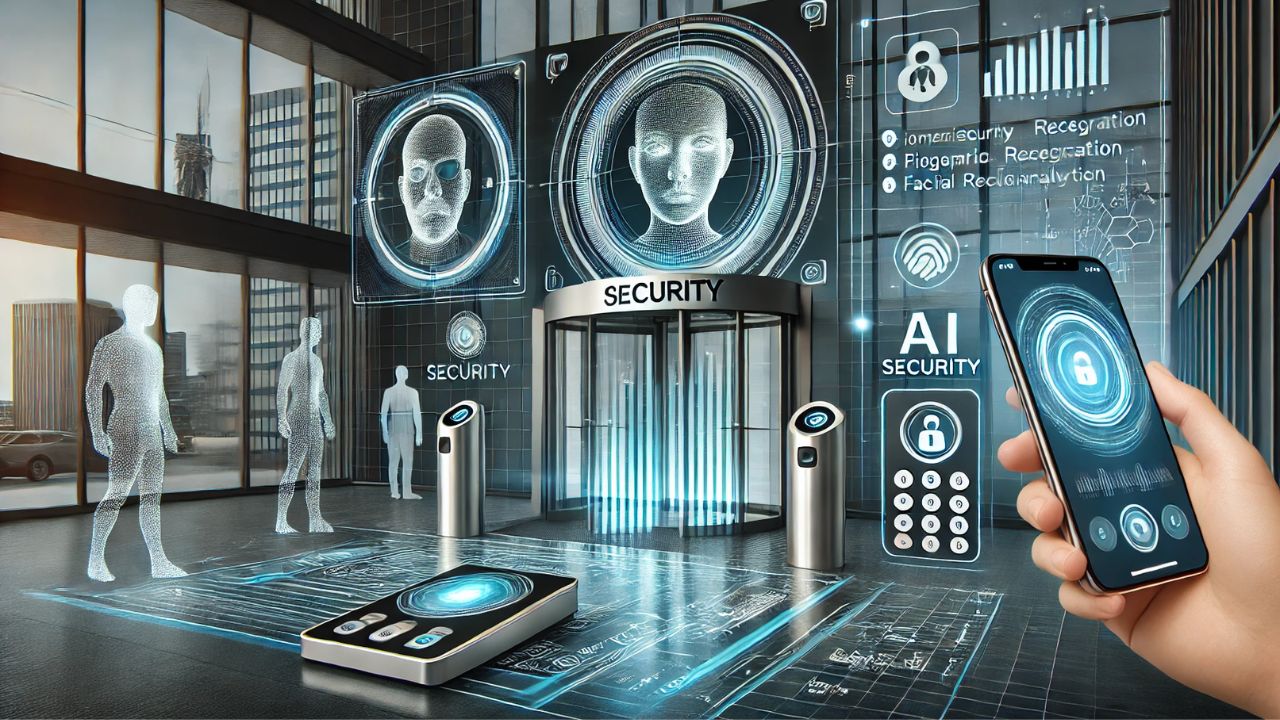
Secure AI smartphones for business are no longer experimental hardware for paranoid executives. They are becoming operational necessities. Cyber risk
Secure AI smartphones for business are no longer experimental hardware for paranoid executives. They are becoming operational necessities. Cyber risk has escaped the data center and moved directly into pockets, backpacks, and ride-share back seats. Enterprises learned this the expensive way. Mobile endpoints are now the weakest link, and traditional mobile device management has failed to keep up.
This shift explains why ai development companies are being pulled into mobile security strategy rather than sitting on the sidelines building abstract models.
The Mobile Security Collapse Nobody Wants to Admit
Corporate security stacks were designed for static environments. Offices. Servers. VPNs. Smartphones broke that model years ago. Remote work finished the job.
Standard smartphones leak data by design. Voice assistants listen. Apps over-collect. Operating systems prioritize consumer convenience over enterprise control. Security teams patch. Attackers adapt faster.
Secure AI smartphones for business exist because reactive security does not scale anymore. The threat surface changes hourly. Humans cannot keep pace.
Why AI Is Rewriting Mobile Defense
Rule-based mobile security collapses under complexity. Too many variables. Too much noise. AI thrives in that chaos.
Modern secure devices embed on-device intelligence that monitors behavior, not signatures. Anomalous access patterns. Suspicious sensor usage. Silent data exfiltration. These signals matter more than known malware hashes.
This is where ai development companies reshape the stack. They design models optimized for low-latency inference, minimal battery drain, and zero cloud dependency. Decisions happen locally. Data stays contained.
On-Device Intelligence Beats Cloud Promises
Cloud-based security analysis introduces delay and exposure. Sensitive data leaves the device before protection activates. That is unacceptable in regulated industries.
Secure AI smartphones for business flip the architecture. AI runs at the edge. Models assess risk in real time. The device can lock itself, isolate apps, or wipe sensitive containers without human approval.
This autonomy is not optional. It is the only way to defend mobile endpoints at enterprise scale.
How AI Development Companies Shape Secure Hardware
The strongest security phones are not built by handset brands alone. They are co-designed with AI development companies that understand adversarial behavior, not just hardware specs.
Model training includes simulated attacks, insider threats, and real-world misuse patterns. Deployment reveals uncomfortable truths. Sensors misfire. Users bypass controls. AI must adapt without becoming intrusive.
Experience matters here. Teams without production scars underestimate how fast models drift in uncontrolled environments like smartphones.
Zero Trust Finally Makes Sense on Mobile
Zero Trust frameworks struggled on mobile because identity and behavior were hard to verify continuously. AI changes that equation.
Secure AI smartphones for business authenticate users constantly. Typing cadence. Movement patterns. Interaction timing. Deviations trigger containment. No passwords. No friction.
This approach reduces reliance on perimeter defenses that no longer exist. Trust becomes dynamic, not assumed.
Compliance Pressure Is Forcing the Transition
Regulators have stopped accepting excuses. Financial services. Healthcare. Government contractors. All face rising scrutiny over mobile data handling.
Secure devices with embedded AI offer auditability. Decisions are logged. Actions are explainable. Access can be revoked instantly.
Ai development companies increasingly build compliance logic directly into models, not bolted on afterward. That integration shortens approval cycles and reduces legal exposure.
Why Legacy Mobile Security Vendors Are Losing Ground
Traditional vendors sell dashboards. Enterprises need enforcement. Alerts do not stop breaches. Automated action does.
Secure AI smartphones for business eliminate dependency on fragmented tooling. Security is native. Not layered. Not optional.
Vendors unable to integrate AI at the hardware and OS level are being sidelined. Enterprises notice the difference during the first incident response.
The Real Business Driver: Productivity Without Risk
Security that slows work gets bypassed. AI-powered security removes that tension.
Employees use devices normally. AI handles threat detection silently. When intervention happens, it is precise and justified.
This balance explains adoption momentum. Secure AI smartphones for business protect data without punishing users. That outcome was impossible five years ago.
The Direction Is Locked In
Mobile endpoints will only grow more powerful, more connected, and more exposed. Static defenses will keep failing.
Businesses aligning with ai development companies that understand mobile-first security are future-proofing their operations. Secure AI smartphones are not a luxury upgrade. They are the baseline for operating in a hostile digital environment where every device is a potential breach vector.
