
Dry needling is discussed in the areas of physical therapy, sports rehabilitation, and management of pain. Some practitioners believe that it is an ef
Dry needling is discussed in the areas of physical therapy, sports rehabilitation, and management of pain. Some practitioners believe that it is an effective method, but some others mention legal and regulation issues. The big question is not whether dry needling is effective or not, but on what basis and by whom can the practice of dry needling be done in accordance with the law.
This difference would explain why some regions have legalized the practice of dry needling, others have restricted, and some that have banned this practice altogether.
What Is Dry Needling?
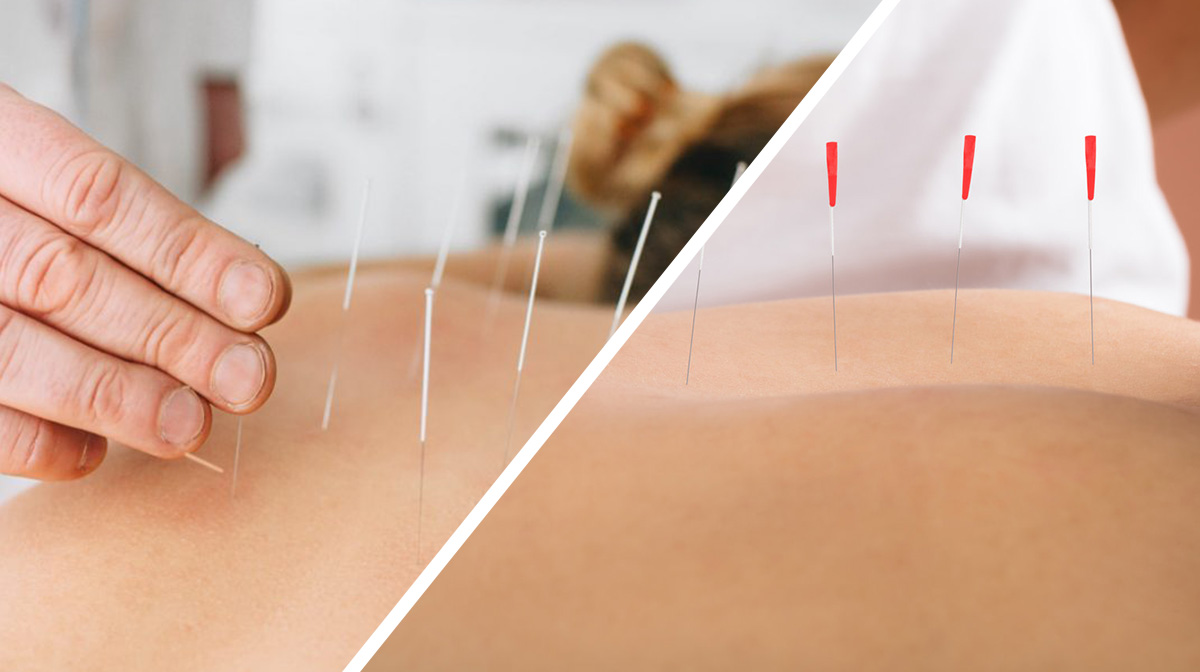
Dry needling is an intervention that uses thin, solid needles to insert in muscle trigger points in order to eliminate pain or increase movements. It is not fundamentally an acupuncture but, in most cases, is a contemporary musculoskeletal method.
Due to penetration of the skin and the use of intrusive equipment, a lot of regulators categorize dry needling as a medical or semi-medical activity.
The importance of Legal Permission.
Existing health laws aim at ensuring the protection of the patients against unqualified or unsafe treatment. Governments frequently demand: when the technique is with needles, nerves, blood vessels and internal structures:
- Formal medical education
- Clear licensing authority
- Defined scope of practice
- Continuing professional supervision
Dry needling falls into a gray area, which is why laws differ so widely.
Who Is Authorized to carry out Dry Needling?
1. Medical Doctors
In the majority of countries, the licensed physicians have the right to conduct dry needling since they already possess:
Extensive anatomy training
Permission to carry out invasive surgeries.
Coverage of medical malpractices.
To physicians, dry needling is usually covered by a preexisting medical scope of practice.
2. Physical Therapists (Where Expressly Permitted)
In certain states, it is permitted that physical therapists may use dry needling–but only where the law or the licensing boards specifically permit it.
Frequently they consist of: – Higher certification courses – Minimum hours of supervised practice – Written patient consent – Tight documentation restriction.
When such conditions are not observed, then dry needling by physical therapists can be regarded as illegal.
3. Acupuncturists
The licensed acupuncturists have the general permission to insert needles, yet dry needling can remain legal to the extent that:
Local law defines the technique differently.
The practitioner sells it as a treatment option in medicine instead of acupuncture.
This overlap makes the professions have very frequent legal disagreements.
4. Prohibited or Often Restricted practitioners.
In most jurisdictions, dry needling is prohibited by law where:
Massage therapists
Athletic trainers
Fitness coaches
Unlicensed practitioners
In the absence of medical permission or needle-specific licensure, dry needling can be considered the practice of medicine without a license.
Why Scope of Practice Is the Legal Issue of the Core.
A majority of the dry needling legislations do not pertain to the methodology of the procedure, they relate to the range of practice.
Scope of practice stipulates: – What a professional will be trained to do – What the professional can legally do, what they cannot do – What insurance will insure them to do.
In the event where dry needling is not within this scope, it becomes unlawful irrespective of any form of training or experience.
Liability and Patient Safety Issues.
Included among the reasons regulators frequently cite safety risks are:
Nerve injury
Lung puncture (pneumothorax)
Infection
Internal bleeding
In case of harm by an unapproved practitioner, the patients might lack any legal protection- another motivation hence governments regulate the people who perform dry needling.
Different reasons why laws vary in every country and state.
Dry needling does not have an international standard. Laws vary because of:
Variations in the healthcare systems.
Medical board lobbying by professionals.
Acupuncture and medical practice were historically defined.
Loss indemnification and risk allocation.
This is why, in one state or country, dry needling is legal and in the other state, right over the border, it is illegal.
What the Patients need to check prior to treatment.
Patients are to be informed to:
Make sure that the practitioner is licensed.
Question them on the legality of dry needling in their area.
Confirm that training and certification are professional.
Make sure that there is informed consent.
The information will decrease medical and legal risk.
FAQs
Is it legal or illegal to dry needles everywhere?
No. Dry needling is legal in certain areas, limited in others, and unlawful in some areas based on local legislation.
Why are physical therapists permitted in one place and not others?
Due to the variation in the scope of practice laws across regions and in that they are set by the local licensing boards.
Is acupuncture legally equivalent to dry needling?
Not always. They are often treated by many regulators as different practices that have different legal requirements.
Is a certification course enough to legalize dry needling?
No. Certification is not a substitute of local laws or licensing.
Final Thoughts
The legality of dry needling is not necessarily based on the procedure but rather the people carrying it out and on what basis. The three components of the dry needling regulations around the globe are licensing, the scope of practice, and patient safety.
To practitioners, the aspect of knowing the limits of the law is important. In case of patients, unnecessary risk may be avoided by knowing who is eligible and who legally is allowed.
