
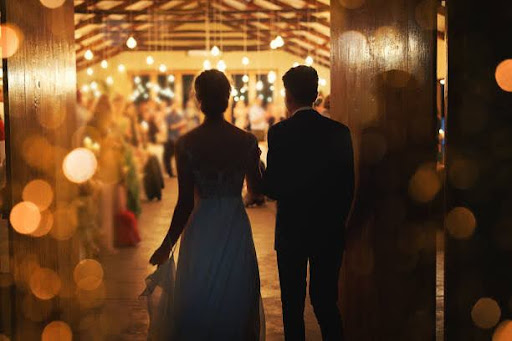
One thing that gives your wedding party life, colour, and personality is floral design. Much beyond the basic table decorations, it's a strong design
One thing that gives your wedding party life, colour, and personality is floral design. Much beyond the basic table decorations, it’s a strong design tool that shapes the whole ambience of your event from the drama of the entry to the intimacy of each guest’s place setting. Good floral design should find a lovely equilibrium between artistic vision and pragmatic concerns such that the beauty of the creations complements the environment without drowning it. It calls for thoughtful decisions on colour schemes and seasonal availability, as well as the deliberate assignment of your funds to generate maximum impact. It starts with knowing the canvas you have to work with, your selected wedding reception venues, for their architecture, style, and already existing elements will mostly inform your flower design decisions.
Emphasise Main Focal Points for Maximum Impact
Regardless of the scale of your decoration budget, efficient distribution is a must. Spend where you will have the most visual effect in your venue: identify the areas, and spend there. This most often includes the top table or sweetheart table, the central ceremony backdrop if in the same space, and an impressive entrance arrangement. Overhead installations such as floral chandeliers or hanging greenery are other high-impact investments that draw the eye upwards and fill the volume of the space. Then you can use smaller, simpler arrangements on guest tables. In this way, you can be certain that your budget creates memorable ‘wow’ moments that your guests will photograph and remember.
Design a Theme and Harmonious Colour Scheme.
Your blooms are a natural expression of the overall wedding theme and colour palette. You first select your fundamental two or three anchor colours, then expand with subordinate tones found in plants and accent flowers. A modern day party might just as well accommodate the monochrome elegance or other contrasting colours, on the contrary, a rustic theme is full of burgundy, peach, and ivory homey colours. Bring your florist fabric swatches, paint samples or inspiration boards to ensure that there is absolute harmony. Along with the bridal party’s attire, this unified approach enables your blooms to blend perfectly into the setting to produce a visually amazing environment.
Create table centrepieces with use in mind.
A guest table centrepiece should strike an aesthetic-to-function balance. Think about sightlines across the table; configurations either need to be low for simple guest interaction or tall and thin. Great choices include groups of bud vases, low, spreading green garlands, or collections of old bottles. Remember that the centrepieces won’t block the audience’s view of significant events like speeches that could occur throughout the evening. Think about the area required for dinnerware, glassware, and any dishes intended for sharing. The table setting will be adorned with a lovely centrepiece that does not obstruct and therefore allows people to celebrate and chat freely throughout the dinner.
Arrange the Display Flowers in a Non-conventional Way
When we discuss innovation and customised methods of adding flower to your decoration, go beyond a vase.
For example, among the unique options that you can have for a ceremony backdrop, there are floral cake decorations, flowers wrapped around the backs of chairs, and the use of floral hoops or wreaths. Petals can individually be placed on napkins at each table or spread over aisle runners. These minor details add a bit of texture to the room and evoke anticipation because they are throughout. Also, as an element of ceremony decor, recycling such items as the altar flowers and putting them next the head table in the reception is not only a brilliant and eco-friendly notion that will allow you to give the most of your flower budget, but also a practice you should get accustomed to.
Understand the logistics and limitations of the venue.
You should also discuss with your venue coordinator all the limitations you would have to make before making any design choices. Most of them have some strict guidelines on the application of candles, confetti, and petals and may even prohibit the use of any fixings, including nails or duct tape. Confirm when the suppliers will get access to the grounds. Setting up florists takes many hours, so you must see if this fits with your venue’s schedule. You will also want to know who disposes of the waste in flowers when the event has ended. Knowing these logistical restrictions in advance will help you not run into problems last minute, and it will also help you on the actual day of the event set up and take down without problems.
Conclusion
The planning fothe r florist wedding decoration of the reception is teamwork and a creative journey that blends together the artistic vision and the highest level of organisation. A clear theme, focal points, and seasonal flowers will all contribute to creating an atmosphere that is not only harmonious but also impressively beautiful. In addition, considering the guest experience, venue logistics, and the management of your budget will not only make the process as effortless as the result is beautiful, but also very rewarding. Ultimately, careful design with flowers does not only make a space look good; it also brings in an aura that mirrors your personal story, and therefore, it is the time for celebration and fun-filled with beauty, joy, and unforgettable memories for you and your guests.
